What Are the Different Types of Coffee Beans?
When you picture a cup of coffee, you likely think of its deep brown beans, rich aroma as they grind, and the golden-brown brew in your mug. But behind every great cup lies a complex chain: from tropical trees to regional growing conditions, harvest methods, and processing styles. Understanding the different types of coffee beans starts with knowing what grows where—and why it tastes the way it does.
In short, there are three primary coffee species: Arabica (70–80% of global production), Robusta (20–30%), and the rare Liberica (less than 1%). Within these, dozens of varieties exist, and flavor varies greatly depending on factors like altitude, climate, and processing. Each origin leaves a unique fingerprint on the bean.
What Is a Coffee Bean?
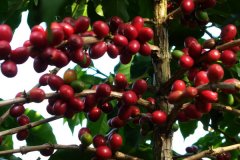
Coffee beans are the seeds inside the bright red berries—known as coffee cherries—grown on tropical evergreen coffee trees. Each cherry typically holds two oval seeds that face each other, creating a flat side (the ‘flat bean’ or ). Rarely, a cherry produces just one round seed, called a peaberry . These peaberries, which occur in less than 5% of coffee cherries, are often separated during sorting and roasted individually. Though flavor differences are subtle, peaberries are prized for their concentration. The green coffee bean you roast is what remains after removing the fruit’s skin, pulp, and inner parchment layer.

The Three Main Coffee Species
Globally, coffee production centers on three main botanical species, each offering distinct flavors, growing needs, and market roles:
- Arabica (Coffea arabica): Accounts for 70–80% of global production. Grows best at higher altitudes (1,500–2,500m), with optimal temperatures around 20°C and annual rainfall of 1,500–2,000mm. Known for its bright acidity, complex aromas, and smoother cup. Most specialty coffee comes from Arabica varieties such as Typica, Bourbon, Geisha, and SL28.
- Robusta (Coffea canephora, also called ): Makes up about 20–30% of production. Thrives at lower altitudes (0–800m), is more disease-resistant, and has higher caffeine content. Its flavor is stronger, more bitter, and often described as earthy or woody—with less acidity. Commonly used in espresso blends for crema and body.
- Liberica (Coffea liberica): Less than 1% of world production. It has an unusual flavor profile, often described as woody, smoky, or floral, with a very different mouthfeel. The trees are tall and the beans are irregular in shape. It’s rare in the specialty market but still grown in Southeast Asia.
Growing Coffee: Altitude, Climate & Conditions
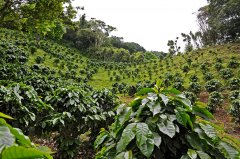
Coffee trees flourish under very specific conditions. Ideal environments feature average temperatures around 20°C, no frost, and steady rainfall between 1,500 and 2,000mm per year. The best-quality beans often come from high-altitude farms—typically 1,500m and above—where cooler temperatures slow berry ripening, allowing more complex flavors to develop.
Most coffee is grown between 300–400m, but premium beans frequently originate from elevations up to 2,500m. Factors like soil type, rainfall distribution, and sunshine hours further influence taste profiles, making even beans from the same country taste distinctly different depending on the region.
How Coffee Beans Are Processed
After harvesting, coffee cherries must be processed to remove the fruit and reveal the beans inside. The two main methods are:
- Washed : The most common method for specialty coffee. The cherries are pulped, then fermented in water to remove the sticky mucilage, before being washed and dried. This process results in a cleaner, more consistent flavor and higher cup quality.
- Natural/Dry : The cherries are spread out in the sun to dry with the fruit still attached. Once dried, the outer layers are removed mechanically. This method is less predictable, often yielding fuller body and sweeter or fruity notes—but with more variance in quality.
Additionally, beans are sorted into flat beans (the typical two-seed form) and peaberries (single round beans). While flavor differences are minor, peaberries are sometimes valued for their intensity.
How Origin Affects Coffee Flavor
Even within the same coffee species, beans from different countries—or even different regions within a country—can vary dramatically in flavor. Altitude, climate, soil, and processing all contribute to a bean’s final profile. For instance, a Yirgacheffe bean (Ethiopia) may express floral and citrus notes, while a Mandheling (Indonesia) might taste earthy and full-bodied. That’s why coffee experts talk about single origins rather than generalizing an entire country’s output.
Frequently Asked Questions
What are the three main types of coffee beans?
The three primary coffee species are Arabica, Robusta, and Liberica. Arabica makes up 70–80% of global production and is known for its acidity and complexity. Robusta accounts for 20–30%, is more bitter and robust, and thrives at lower altitudes. Liberica is rare (less than 1%) with a distinctive woody or smoky flavor and irregular bean shape.
What is the difference between washed and natural coffee processing?
Washed (or wet) processing removes the coffee cherry’s skin and pulp using water and fermentation, resulting in a cleaner, more consistent cup. Natural (or dry) processing dries the whole cherry in the sun before removing the outer layers, often producing a fruitier, fuller-bodied, but more variable flavor.
What is a peaberry coffee bean?
A peaberry is a rare type of coffee bean that forms when only one round seed develops inside a coffee cherry, instead of the usual two flat seeds. They occur in less than 5% of cherries and are often separated and roasted alone. Peaberries may have a slightly more concentrated flavor, though the difference is subtle.
Where do the best coffee beans grow?
The highest-quality coffee beans usually come from high-altitude regions (1,500–2,500m) with moderate temperatures around 20°C and consistent rainfall (1,500–2,000mm annually). Countries like Ethiopia, Colombia, Kenya, and Guatemala are known for producing premium beans thanks to these ideal conditions.
Does coffee bean origin affect taste?
Yes, coffee flavor varies significantly by origin due to differences in altitude, climate, soil, and processing methods. For example, Ethiopian beans often have floral and citrus notes, while Indonesian beans may taste earthy or spicy. That’s why single-origin coffees are distinct from generic blends.
Why are Arabica beans more popular than Robusta?
Arabica beans are more popular in specialty coffee for their brighter acidity, complex flavors, and smoother mouthfeel. Robusta is stronger, more bitter, and has higher caffeine, so it’s mainly used in espresso blends for added body and crema—but it’s generally considered less refined in flavor.
Recommended FrontStreet Beans for Exploring Origins
For a hands-on experience with different coffee origins and processing styles, try FrontStreet Coffee’s Ethiopia Yirgacheffe (floral, citrus, bright acidity), Honduras SHG (chocolate, nutty, medium body), and Sumatra Mandheling (earthy, full-bodied, low acidity). Each highlights how origin and processing shape flavor. Freshly roasted within 5 days · Orders placed before 17:00 ship the same day · Next-day delivery across most of Guangdong Province.
FrontStreet Coffee is a long-established specialty coffee roaster in Guangzhou China, selling freshly roasted beans from its own farm in Yunnan as well as dozens of carefully selected single-origin beans from around the world for both pour-over and espresso. The products deliver consistently excellent quality and great value, with shipping within 24 hours. Guangzhou's FrontStreet Coffee shop is recommended by many coffee lovers, and the beans are now available online at the Tmall 。
Important Notice :
前街咖啡 FrontStreet Coffee has moved to new addredd:
FrontStreet Coffee Address: 315,Donghua East Road,GuangZhou
Tel:020 38364473