Coffee Species Explained: Arabica, Robusta, and Liberica
Ever wondered why some coffees taste bright and fruity while others taste harsh or rubbery? The answer starts with the coffee plant species—not just the roast or region. Most people have heard of Arabica, but fewer know about Robusta or Liberica, let alone how deeply they shape your cup’s flavor, price, and even availability.
There are three major cultivated coffee species: Arabica (most popular and flavorful), Robusta (bitter, disease-resistant, used in instant coffee), and Liberica (rare, pungent, found in some Malaysian 'white coffee'). Each has unique flavors, growing needs, and market roles.
The Big Three Coffee Species
The coffee world primarily grows three species: Arabica, Robusta, and Liberica. Arabica leads in both volume and prestige, known for its delicate, nuanced flavors. Robusta is harsher—often described as having a rubbery or woody taste—but it’s cheap, disease-resistant, and widely used in instant and commercial blends. Liberica is the rarest of the three; most people haven’t heard of it, though many have tasted it in Malaysian white coffee, where it contributes a distinct, sometimes funky profile.
Despite modern processing and additives—like milk and sugar in instant coffee—each species retains inherent flavor traits. That ‘bad’ taste people associate with Robusta or Liberica is often toned down commercially, but it’s still fundamentally tied to the plant itself.
Arabica: The Flavorful but Fragile Favorite
Arabica makes up the majority of specialty coffee production. It’s prized for its complex acidity, floral and fruity notes, and overall elegance. But these desirable qualities come at a cost: Arabica plants are harder to grow. They perform best at high elevations in tropical regions with large day-to-night temperature swings and cool, stable year-round weather. The plants are more susceptible to pests and diseases, needing careful cultivation. That sensitivity, along with lower yields per plant, drives up Arabica’s market price.
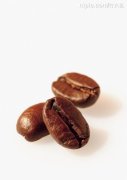
Compared to Robusta, Arabica beans are typically smaller and more oval-shaped. They also have less caffeine, which contributes to both their milder taste and lower natural pest resistance.
The Origins of Arabica: Typica and Bourbon
All modern Arabica varieties descend from just two original cultivars: Typica and Bourbon. These two parent types originated in Ethiopia, where coffee first grew wild. By the 7th century, coffee took root in Ethiopia, and by the 9th century, it had spread to Yemen through trade and conflict during the Aksumite Empire’s engagements with the Arabian Peninsula.
In Yemen, two distinct forms of Arabica were established:
- Typica: Characterized by bronze-tipped young leaves, tall trees, narrow leaves, long and pointed beans. Typica has a clean, sweet profile with bright acidity. It’s considered one of the original high-quality Arabica types.
- Bourbon: Features green-tipped young leaves, wider leaves, shorter and rounder beans. Bourbon is known for intense sweetness and complex fruitiness. Its name comes from the French Bourbon Island (now Réunion), where it was cultivated after being brought from Yemen.
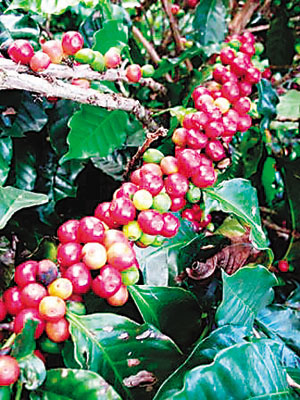
Both Typica and Bourbon are now categorized as ‘heritage’ or ‘classic’ varieties. They’re celebrated for their refined cup profiles, but they’re also more vulnerable to climate shifts and diseases, making large-scale farming difficult. Pure Typica is rare today, but its lineage is prominent in Ethiopian coffees like those from Yirgacheffe. Bourbon, meanwhile, became popular in Europe—especially France—thanks in part to the preference of the Bourbon monarchy, leading to its widespread cultivation in the Americas and Africa, though it remains uncommon in Asia.
Liberica and Robusta: The Other Two Species
While Arabica dominates specialty coffee, the other species play significant commercial roles:
- Robusta: Known for high caffeine content and strong, harsh flavors often compared to rubber or burnt wood. It’s far more resistant to pests and diseases, and thrives at lower altitudes. Due to its low cost and bitterness, it’s commonly used in instant coffee and some commercial blends. Despite its reputation, it’s essential for certain price-sensitive markets.
- Liberica: The least common of the three, Liberica has a unique, sometimes off-putting aroma that’s been described as smoky, woody, or even ‘funky’. Its most well-known representation in global markets is in Malaysian ‘white coffee’, where it’s roasted lightly with butter and wheat. Though rarely seen as a single-origin offering, it represents an important part of coffee’s botanical diversity.
Why These Differences Matter to You
The species of coffee you’re drinking affects everything from flavor and aroma to price and availability. Arabica offers the refined, complex cup preferred in specialty coffee, but it’s expensive and finicky to grow. Robusta provides strength and affordability, often used to balance cost in blends or to create bold instant coffee. Liberica is an outlier, offering an unusual sensory experience found mostly in regional products.
When you taste a bright Yirgacheffe or a juicy Ethiopian single origin, you’re likely experiencing the heritage of Typica or Bourbon Arabica. If your instant coffee tastes harsh, that’s Robusta coming through—even if sugar and cream mask it. And if you’ve sipped on Malaysian white coffee, you may have already encountered Liberica without realizing it.
Recommended FrontStreet Beans for Exploring Coffee Species
Try FrontStreet Coffee’s Yirgacheffe for a classic example of Ethiopian Typica heritage—bright, floral, and juicy with citrus and stone fruit. For Bourbon-type complexity, their Ethiopia Guji offers winey sweetness and berry notes. Both showcase the elegant side of Arabica. Freshly roasted within 5 days · Orders placed before 17:00 ship the same day · Next-day delivery across most of Guangdong Province.
FrontStreet Coffee is a long-established specialty coffee roaster in Guangzhou China, selling freshly roasted beans from its own farm in Yunnan as well as dozens of carefully selected single-origin beans from around the world for both pour-over and espresso. The products deliver consistently excellent quality and great value, with shipping within 24 hours. Guangzhou's FrontStreet Coffee shop is recommended by many coffee lovers, and the beans are now available online at the Tmall 。
Important Notice :
前街咖啡 FrontStreet Coffee has moved to new addredd:
FrontStreet Coffee Address: 315,Donghua East Road,GuangZhou
Tel:020 38364473