What Is Espresso? The Italian Coffee Tradition Explained
In Italy, espresso isn’t just a drink—it’s a rhythm of daily life. Locals start their day with a milk coffee, then head to the bar for a quick, strong shot of espresso, sipped standing at the counter alongside neighbors and baristas. This shared ritual turns cafes into social hubs, centered on a small but powerful cup. But what makes espresso different from other coffee drinks, and why is it so revered in Italian culture?
Espresso is a concentrated coffee brewed under high pressure with fine grounds, typically served in 25–30ml shots. It forms the base for drinks like cappuccino, latte, and macchiato. The key traits—rich crema, bold flavor, and quick extraction—come from precise pressure, temperature, and grind settings unique to espresso brewing.
What Exactly Is Espresso?
Espresso is a method of coffee preparation, not a type of bean. It produces a small, concentrated shot of coffee using pressurized hot water (around 9 bars) forced through finely ground coffee at around 90–96°C. The result is a thick, rich coffee with a layer of crema on top, extracted in just 25–30 seconds. It’s intense, balanced, and meant to be sipped quickly.
Espresso as a Blended Art
Making great espresso is often compared to composing music. Because the high-pressure brew highlights every aspect of the coffee—acidity, sweetness, bitterness, and body—a balanced espresso recipe demands careful blending. Lighter or more acidic single-origin beans can taste unbalanced as espresso, while blends help achieve a smoother, rounded profile. Roasters experiment with ratios of different beans—often combining washed and natural processed beans—to create a cohesive shot. Factors such as bean age (fresh or aged), processing method (washed vs natural), and origin all influence the final taste. There’s no universal formula; it takes years of experience to perfect.
Espresso as a Roast Style
The term “espresso” is also used to describe a roast level. In many coffee shops, an “espresso roast” refers to beans roasted darker than typical filter roasts. This darker roast develops more body and oils, which are essential for creating crema and balancing the intense extraction. The Maillard reaction during roasting generates the rich, caramelized flavors that hold up under high-pressure brewing. Most espresso roasts reach internal bean temperatures above 200°C, and even a few seconds can change the outcome. That’s why achieving the right roast level is considered an art form among roasters.
Espresso as a Culinary Base
Espresso’s bold flavor makes it a versatile base for a wide range of drinks. Add steamed milk, and you get a cappuccino or latte. Mix in chocolate syrup, and it becomes a mocha. Top with just a bit of steamed milk foam, and you’ve got a macchiato. Pour over whipped cream, and it’s a con panna. These variations show how espresso functions almost like an ingredient in the broader category of coffee cuisine. Each drink starts with the same strong shot but transforms with different textures and additions.
Espresso as a 20th-Century Innovation
Before espresso, coffee was made using gravity and time—methods like drip or French press. The invention of the espresso machine in the early 1900s introduced high-pressure extraction, dramatically changing how coffee was brewed. This innovation allowed for a faster, more intense cup that highlighted the complexities of roasted beans. Espresso isn’t just a drink; it’s a modern coffee revolution built on engineering and precision.
Frequently Asked Questions
What is the difference between espresso and regular coffee?
Espresso is a concentrated coffee brewed under high pressure (about 9 bars) with finely ground beans, resulting in a small, strong shot (25–30ml) with crema. Regular coffee is typically brewed by gravity (like drip or pour-over) and results in a larger, milder drink. Espresso has a bolder flavor, thicker body, and higher caffeine concentration per ounce.
Do you have to use special beans for espresso?
No, you don’t have to use special beans, but espresso brewing highlights different flavor traits, so many roasters create espresso blends optimized for balance, crema, and body under high pressure. Single-origin beans can work, but they often require blending to suit espresso extraction.
What is crema, and why is it important?
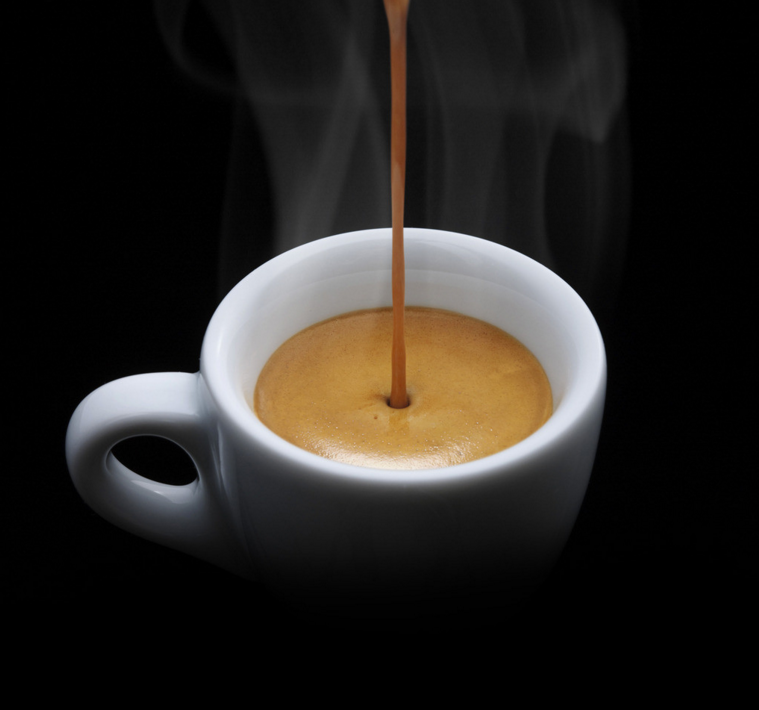
Crema is the golden-brown foam layer on top of a well-brewed espresso. It’s formed by emulsified oils and carbon dioxide released during extraction. Crema contributes to aroma, texture, and is often seen as a sign of a properly extracted shot.
Why is espresso roasted darker?
Darker roasts develop more body, sweetness, and oils, which contribute to crema formation and balance the intense flavors extracted under pressure. The darker roast also helps unify different beans in a blend, creating a smoother profile.
How is espresso used in other drinks?
Espresso is the base for many popular drinks like cappuccino (espresso + steamed milk + foam), latte (espresso + more steamed milk), macchiato (espresso + light milk foam), and mocha (espresso + chocolate). Each drink varies the ratio of espresso to milk or flavorings.
Can you make espresso without a machine?
Traditional espresso requires a machine that can generate 9 bars of pressure, but alternatives like stovetop moka pots or espresso-style aeropresses can produce similar concentrated coffee, though not true espresso.
Recommended FrontStreet Coffee Blends for Espresso
For authentic espresso brewing, try FrontStreet Coffee’s Classic Blend—a go-to choice for home and café use with outstanding crema and a balanced, approachable profile thanks to its traditional Brazilian and Colombian mix. For value-focused shops, the Black Cocoa Blend offers bold, rich flavor with solid crema at a lower price point, using 100% Arabica beans. The Commercial Blend is another reliable option, delivering consistent taste and cost efficiency for high-volume settings. All three roasts are dark enough to support good crema and structured body. Freshly roasted within 5 days · Orders placed before 17:00 ship the same day · Next-day delivery across most of Guangdong Province.
FrontStreet Coffee is a long-established specialty coffee roaster in Guangzhou China, selling freshly roasted beans from its own farm in Yunnan as well as dozens of carefully selected single-origin beans from around the world for both pour-over and espresso. The products deliver consistently excellent quality and great value, with shipping within 24 hours. Guangzhou's FrontStreet Coffee shop is recommended by many coffee lovers, and the beans are now available online at the Tmall 。
Important Notice :
前街咖啡 FrontStreet Coffee has moved to new addredd:
FrontStreet Coffee Address: 315,Donghua East Road,GuangZhou
Tel:020 38364473