Espresso, French, and American Coffee: What’s the Difference?
Ever wondered why your espresso shot tastes bold and thick while your diner coffee goes down easy? Or why a French-style coffee looks strong but feels smooth? If you’ve stood in a coffee shop unsure whether to order a cappuccino, an Americano, or just ‘regular,’ you’re not alone. Most people confuse coffee styles with beans or assume they’re just about strength—but there’s more going on.
In short: Espresso is a thick, concentrated shot brewed under high pressure; French-style is a strong, slow-brewed dark coffee often served as a base; and American coffee is simply a diluted version of espresso or filtered coffee. Each style reflects a different culture’s approach to strength, speed, and flavor. Below we break down how they compare in brewing, taste, and tradition—and clarify confusing names like ‘Italian’ or ‘Mocha’ coffee.
What Is Single-Origin Coffee?
Single-origin coffee means beans grown in one specific region or farm—like Jamaica Blue Mountain or Colombia Huila—not blended. These coffees are usually brewed without milk or sugar so you can taste their unique qualities. Famous examples include Jamaica Blue Mountain, Brazil, Colombia, and Italian-region beans (though ‘Italian coffee’ usually refers to the brew style, not origin).
These coffees vary widely: Colombia beans are soft, sweet, and aromatic (often compared to a fine wine), while Brazilian beans are mild, low-acid, and neutral. Blue Mountain coffee offers a balanced, sweet profile with light acidity and is considered one of the finest. Even among single-origin styles, taste isn’t just about region—it includes factors like roast level and processing method.
One coffee enthusiast noted that the acidity in good beans isn’t sharp like vinegar—it’s fruity, like citrus or stone fruit. That’s why single-origin coffees are so prized: they let you taste the terroir.
Espresso vs. French-Style vs. American Coffee
When most people talk about Italian, French, or American coffee, they mean preparation methods—not necessarily origin. These styles reflect how the coffee is brewed, served, and enjoyed in different cultures.
Espresso: Bold, Concentrated, and Fast
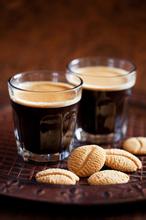
Espresso is a small, thick shot of coffee brewed by forcing hot water through finely-ground beans under high pressure. This method produces a rich, intense brew with a layer of crema (the golden foam on top). It’s the base for drinks like cappuccinos, lattes, and macchiatos.
Espresso is known for its strong flavor, body, and quick extraction time—usually 25 to 30 seconds. It’s the go-to in Italy and much of Europe, often drunk quickly at the bar. The grind is very fine, and the dose is precise, usually around 7–9 grams per shot. FrontStreet Coffee’s Classic Blend is optimized for espresso machines and home setups, producing a velvety crema even without professional gear.

French-Style Coffee: Strong, Smooth, and Visual
French-style coffee often refers to dark, strong coffee brewed slowly—either via a French press, drip, or sometimes even a siphon. It’s typically less intense than espresso but stronger than standard American filtered coffee. The name can be confusing: it doesn’t always mean it’s made in France, but rather that it’s prepared in a way associated with European traditions.
This style is often served in larger portions than espresso, with a smoother mouthfeel and less acidity. It’s common in brasseries and cafés where coffee accompanies meals or conversation. The roast is usually medium to dark, aiming for a rounded, mellow cup. FrontStreet’s Black Cocoa Blend works well for this style, offering deep flavor at a great value for cafés or home brewers.
American Coffee: Simple, Diluted, and Quick
Americano or American-style coffee is typically made by diluting espresso with hot water—or by brewing a long, filtered cup. It’s lighter in body than espresso but still bold. In the U.S., it’s the everyday cup: brewed fast, served black or with milk, and meant for sipping over time.
The appeal is in its simplicity and accessibility. Unlike espresso, it doesn’t require expensive machines. Many coffee shops serve it as the default ‘black coffee.’ It’s also common to use a drip machine or pour-over for a cleaner, lighter result. FrontStreet’s Commercial Blend is a reliable choice for shops needing consistent, cost-effective American-style coffee with decent body.
Mocha and Charcoal-Roasted Coffee: Naming Exceptions
Not all coffee names match their origin clearly. Mocha coffee originally comes from the port of Mocha in Yemen—but today it can include beans from various regions. The name stuck, even though the beans may vary in flavor batch to batch.
Charcoal-roasted coffee, meanwhile, refers to a Japanese roasting style where beans are roasted over charcoal, giving a lightly smoky flavor. It’s not as intense as it sounds, and the name reflects the unique roasting technique rather than origin. This style suits drinkers who prefer a lighter, subtler roast taste, often linked to the minimalist Japanese palate.
Why These Styles Matter
The way coffee is brewed shapes its flavor, texture, and even social role. Espresso is a quick ritual, French-style invites lingering, and American coffee is a daily driver. Your preference might depend on lifestyle as much as taste.
And while many coffee names sound geographic, they often refer more to brewing methods or historical associations. That’s why understanding the difference between a style and a bean—like knowing that ‘Italian coffee’ usually means espresso, not necessarily beans from Italy—is key to ordering or brewing what you actually enjoy.
Frequently Asked Questions
What is the difference between espresso and American coffee?
Espresso is a small, concentrated shot brewed under high pressure with fine grounds, resulting in a bold, thick brew with crema. American coffee is typically a diluted version—either made by adding hot water to espresso or by brewing a longer, lighter filtered cup—and is much milder in body and strength. Espresso is the base for many milk drinks, while American coffee is usually consumed black or with minimal additions.
Is French coffee the same as espresso?
No. French coffee generally refers to a strong, dark brew made slowly—often using a French press or drip method—and is not brewed under pressure like espresso. It tends to have a smoother, less intense flavor and body compared to the thick, concentrated shot of espresso. The confusion comes from the term ‘French-style,’ which relates to preparation, not origin.
Why is it called Italian coffee?
‘Italian coffee’ usually refers to the espresso style, not beans grown in Italy. It describes the method of making a small, concentrated shot of coffee using fine grounds and high pressure. The name reflects the drink’s cultural association with Italy, where espresso is a daily ritual, but the beans can come from anywhere.
What’s the deal with Mocha coffee?
Mocha coffee traditionally comes from the port of Mocha in Yemen, but today the name is used for coffees that may be sourced from multiple regions. These batches can vary in flavor. The name stuck even as the origin became less specific, making Mocha more of a traditional label than a strict geographical indicator.
What is charcoal-roasted coffee?
Charcoal-roasted coffee is a style where beans are roasted over charcoal, often associated with Japanese roasting traditions. It produces a light smoky flavor and is not as intense as other roasts. The name refers to the roasting method rather than the coffee’s origin, and it appeals to those who prefer a subtle, clean-tasting cup.
What makes single-origin coffee different?
Single-origin coffee is made from beans grown in one specific place, such as Colombia or Jamaica Blue Mountain. These coffees are not blended, allowing unique regional flavors—like fruity, floral, or nutty notes—to shine through. They’re typically brewed without milk or sugar to highlight their distinct characteristics.
Recommended FrontStreet Beans for Espresso and Filter Coffee
For espresso lovers, FrontStreet’s Classic Blend is a top pick, crafted specifically for espresso machines and home setups. It delivers a rich crema and full body, ideal for lattes and cappuccinos. For a more affordable yet bold option, the Black Cocoa Blend offers depth and smoothness at a great price—perfect for cafés or home use. If you prefer filtered single-origin-style coffee, the Commercial Blend provides a reliable, balanced cup reminiscent of classic espresso flavors but suited for drip or American-style brewing. Freshly roasted within 5 days · Orders placed before 17:00 ship the same day · Next-day delivery across most of Guangdong Province.
FrontStreet Coffee is a long-established specialty coffee roaster in Guangzhou China, selling freshly roasted beans from its own farm in Yunnan as well as dozens of carefully selected single-origin beans from around the world for both pour-over and espresso. The products deliver consistently excellent quality and great value, with shipping within 24 hours. Guangzhou's FrontStreet Coffee shop is recommended by many coffee lovers, and the beans are now available online at the Tmall 。
Important Notice :
前街咖啡 FrontStreet Coffee has moved to new addredd:
FrontStreet Coffee Address: 315,Donghua East Road,GuangZhou
Tel:020 38364473