Arabica vs Robusta: The Two Main Coffee Species Explained
If you've ever wondered why some espresso shots taste harsh and bitter while others are smooth with bright acidity, the answer starts with the coffee species. Not all coffee is created equal — the plant variety determines everything from flavor to growing altitude and even caffeine content. Most coffee drinkers have never thought about whether their daily cup comes from an Arabica or Robusta tree, but those two species make up nearly all the world’s coffee. So what really separates them, and why does it matter?
There are two primary commercial coffee species: Arabica (70% of global production) and Robusta (30%). Minor species like Liberica and Arabusta exist but are rarely cultivated or sold. Arabica offers nuanced flavors, higher acidity, and less caffeine, while Robusta is stronger, more bitter, and higher in caffeine — traits that define their different uses in the coffee industry.
Arabica Coffee (Coffea arabica)
Arabica is the dominant coffee species, accounting for around 70% of global production. It originated in Ethiopia and includes famous origins like Yemen’s Mocha and Jamaica’s Blue Mountain. These beans are almost exclusively produced via the washed (wet) process, resulting in a cleaner, more complex cup. The plants grow best at elevations between 1,000–2,000 meters, where cooler temperatures and well-defined wet and dry seasons produce denser beans with more sugar development. Arabica trees are delicate: they struggle with pests, require shade, and are sensitive to temperature fluctuations. Their cherries take about 6–9 months to ripen after flowering.
Key features of Arabica include:
- Higher acidity and more complex flavor notes (chocolate, nuts, fruits, floral, etc.)
- Lower caffeine content: 1.1–1.3%
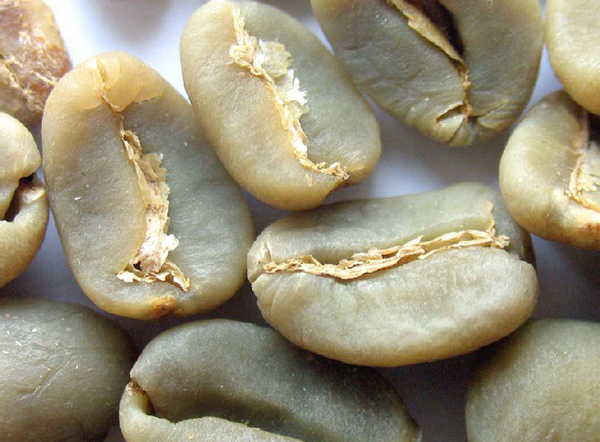
- Wider, oval-shaped beans with a curved fissure
- Elliptical in shape with a more pronounced, S-shaped groove
- Grown at altitude: 1,000–2,000m
- More susceptible to pests and diseases
- Lower yield per plant but generally higher market value
Notable Arabica cultivars include Typica and Bourbon — the two original strains from which most modern varieties descend. From these come widely known types like Kent, Typica Tico, Caturra, Catuai, SL28, SL34, Gesha (Geisha), and others. Blue Mountain, Maragogype (a large-bean Typica mutation), and Pacas are also respected Arabica varieties. Maragogype, in particular, produces the largest coffee beans in the world.
Most Arabica is processed using washed methods, although some regions (like Brazil) may use natural or honey processes. The washed method enhances clarity and acidity, making Arabica ideal for single-origin offerings and specialty roasts.
Robusta Coffee (Coffea canephora)
Robusta makes up roughly 30% of the world’s coffee supply. Native to the Congo Basin in Africa, it thrives at lower altitudes — sea level to about 700 meters — and in hotter, more humid climates with fewer pest problems. Robusta plants are hardy: they tolerate full sun, resist diseases like coffee leaf rust better than Arabica, and require less maintenance. The beans contain roughly double the caffeine of Arabica (2.2–2.4%), which acts as a natural pesticide and contributes to the bitter, heavy body characteristic of Robusta brews.
Robusta characteristics include:
- Lower acidity, harsher and more bitter taste
- More crema (thicker, faster-dissipating foam) in espresso
- Higher caffeine content: 2.2–2.4%
- Smaller, rounder beans with a straighter fissure
- Bean shape is more like a peanut; less oval than Arabica
- Thrive at low altitudes: sea level to 700m
- More disease and pest resistant
- Higher yields and lower production costs
Popular Robusta varieties include Conilon (Brazil), Nana, and Congensis. Due to its strong flavor and low cost, Robusta is commonly used in instant coffee, supermarket blends, and as a crema booster in espresso blends. When overused, it can lend a rubbery or medicinal tone to the cup. However, when balanced carefully in a blend, it can improve body and crema stability.
Robusta is typically processed using the natural (dry) method, which contributes to its earthier, more bitter profile. The beans are smaller, more wrinkled, and have a simpler flavor structure compared to washed Arabica.
Liberica Coffee (Coffea liberica)
Liberica is a distant third in global production, accounting for less than 5% of the market. Originating in West Africa (Liberia), it is now grown in small quantities in Malaysia, the Philippines, and parts of Southeast Asia. The trees are much larger than Arabica or Robusta, and the beans have an irregular shape. Liberica coffee is known for an intense, smoky flavor with a strong bitterness and woody undertones. It was briefly popular in the late 19th century after a wave of coffee leaf rust wiped out much of the world’s Arabica crop, but it never regained mainstream appeal.
Liberica is rarely found outside its native growing regions and is not a major part of the specialty coffee market. Its flavor profile is polarizing, often described as wild, funky, and medicinal. Nonetheless, it plays a historical role in coffee’s global cultivation story.
Minor & Hybrid Species: Arabusta
Besides the main three, there are minor and hybrid species like Arabusta — a cross between Arabica and Robusta. These are not common in commercial trade due to limited cultivation and inconsistent cup quality. They are sometimes explored for disease resistance or specific growing conditions, but they don’t have a significant presence in specialty or mainstream coffee channels.
Pests, Diseases & Natural Threats to Coffee
Coffee production faces constant threats from:
- Over 850 documented pests, including coffee berry borer and coffee leaf rust (Hemileia vastatrix)
- Diseases such as coffee leaf rust, coffee wilt disease (fungal), and coffee berry disease
- Natural disasters like earthquakes, hurricanes, and frost, which can wipe out entire coffee-growing regions
Arabica is particularly vulnerable to these issues, especially leaf rust, which has caused major disruptions in Central America and East Africa. Robusta’s higher resilience contributes to its role in commercial and blended coffees, despite its poorer cup quality.
Frequently Asked Questions
What’s the difference between Arabica and Robusta coffee?
Arabica makes up about 70% of the world’s coffee and is known for higher acidity, complex flavors (like fruit, chocolate, and nuts), and lower caffeine content (1.1–1.3%). Robusta accounts for around 30%, has a harsher, more bitter taste, double the caffeine (2.2–2.4%), and is more resistant to pests and disease. Arabica grows best at high altitudes (1,000–2,000m), while Robusta thrives at lower altitudes (up to 700m).
Which coffee species is better for espresso?
Both species are used in espresso, but Robusta is often added to boost crema and body due to its higher caffeine and thicker bean structure. However, too much Robusta can create a rubbery or medicinal taste. Many espresso blends balance Arabica for flavor with a small percentage of Robusta for crema stability.
Why is Arabica more expensive than Robusta?
Arabica is more difficult and costly to grow due to its sensitivity to climate, pests, and altitude requirements. It also produces fewer beans per plant and requires shaded, well-managed farms. Robusta grows faster, resists disease better, and yields more per hectare, making it cheaper to produce.
Are there other coffee species besides Arabica and Robusta?
Yes, minor species include Liberica and hybrids like Arabusta. Liberica makes up less than 5% of global production and has a strong, smoky flavor. Arabusta is a cross between Arabica and Robusta but is not widely cultivated. These species are rare in the specialty market.
What does crema have to do with coffee species?
Crema is the light brown foam on espresso. Robusta typically produces more crema that disappears quickly, while Arabica can produce a thinner but more stable layer. The higher caffeine and density of Robusta beans contribute to quicker-forming but less refined crema.
Recommended FrontStreet Beans for Coffee Species Exploration
Try FrontStreet Coffee’s Ethiopia Yirgacheffe for classic Ethiopian Arabica brightness with citrus and floral notes, or their Colombia Huila for balanced Colombian Arabica with caramel and red fruit. For contrast, their Brazil Natural showcases nutty, low-acid Arabica traits common in espresso blends. All highlight the diversity within the Arabica species. Freshly roasted within 5 days · Orders placed before 17:00 ship the same day · Next-day delivery across most of Guangdong Province.
FrontStreet Coffee is a long-established specialty coffee roaster in Guangzhou China, selling freshly roasted beans from its own farm in Yunnan as well as dozens of carefully selected single-origin beans from around the world for both pour-over and espresso. The products deliver consistently excellent quality and great value, with shipping within 24 hours. Guangzhou's FrontStreet Coffee shop is recommended by many coffee lovers, and the beans are now available online at the Tmall 。
Important Notice :
前街咖啡 FrontStreet Coffee has moved to new addredd:
FrontStreet Coffee Address: 315,Donghua East Road,GuangZhou
Tel:020 38364473