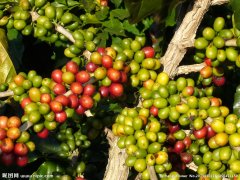
Zambia’s Nakonde and Isoka Coffee Regions
If you’ve ever wondered where in Africa grows coffee that rivals Kenya’s famous complexity—but often flies under the radar, look no further than Zambia. While most coffee lovers know Ethiopia and Kenya, Zambia is cultivating a small yet high-quality output, especially in its northern highlands. This includes areas like Nakonde and Isoka, near the capital Lusaka, and further north in Kasama.
Zambia’s best coffee is increasingly refined, with a profile reminiscent of Kenyan beans—despite having a slightly milder cup. These beans are grown mainly in the northern regions of Kasama, as well as the nearby districts of Nakonde and Isoka, close to Lusaka.
Zambia’s Coffee Origins: Introduced in the Early 1900s
Coffee first arrived in Zambia in the early 20th century, brought in from neighboring Kenya and Tanzania. Since then, the country has quietly developed its own production, focusing on high altitudes and selected varieties that can handle the terrain. Though not as widely exported as other African coffees, Zambia has carved out a niche with distinct bean characteristics.
Regional Highlights: Nakonde, Isoka, and Kasama
The key growing areas for high-quality Zambian coffee are:
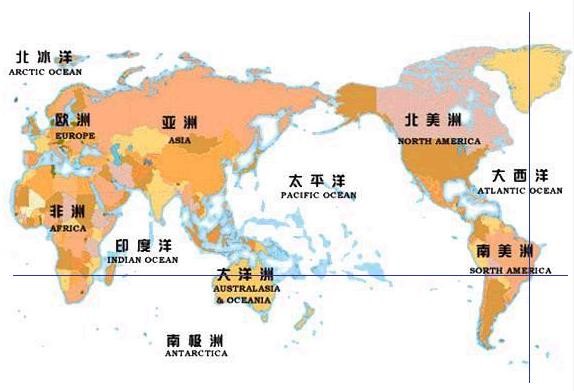
- Nakonde — located near Zambia’s northern border and the capital region
- Isoka — also close to Lusaka, part of the northern highland belt
- Kasama — in Zambia’s far north, another key coffee zone
These regions share elevations and climate conditions favorable for growing hard-bean coffee with a profile similar to Kenya’s. Among them, Nakonde and Isoka have gained attention for producing particularly notable lots.
Bean Characteristics: Large Size and SL Types
Zambia produces both large-bean coffee and peaberry beans. Some of the most interesting lots come from the SL (Scott Laboratories) varieties, which were introduced along with the original Kenyan and Tanzanian stock. These beans are known for their size and potential complexity. Though the cup tends to be lighter in body compared to Kenya’s, it often shows similar bright acidity and fruity notes.
Flavor Profile: Mild Yet Comparable to Kenya
The flavor of premium Zambian coffee is described as slightly milder than Kenya’s but still offers comparable complexity. Expect a cup that, while not as intense, delivers enough acidity and fruit character to interest specialty buyers. The mildness may appeal to those who prefer a cleaner, more restrained cup without sacrificing origin character.
Market Position: Same Price as Kenyan Coffee
Despite differences in perceived intensity, Zambian coffee is often priced at levels similar to Kenyan offerings. This reflects both the quality of the beans being produced and the cost structures of production and export in the region. For buyers seeking Kenyan-like profiles with a bit more subtlety, Zambian lots—especially from Nakonde and Isoka—are worth exploring.
Frequently Asked Questions
Where is Zambia’s best coffee grown?
Zambia’s highest-quality coffee comes from the northern regions, specifically Kasama, as well as the nearby districts of Nakonde and Isoka, all located near the capital Lusaka. These areas offer the high altitudes and climates suitable for specialty-grade coffee production.
What makes Zambian coffee similar to Kenyan coffee?
Zambian coffee is similar to Kenyan coffee because it was originally introduced from Kenya and Tanzania in the early 1900s, and it often uses SL varieties. The cup profile tends to have bright acidity and fruity notes, though Zambian coffee is usually milder in body and flavor intensity.
Does Zambia produce peaberry coffee?
Yes, Zambia produces both regular large beans and peaberry beans. While not as widely publicized as Kenya’s famous peaberries, Zambian peaberries are part of the country’s diverse bean offerings and can show unique cup traits.
Why is Zambian coffee priced similarly to Kenyan coffee?
Zambian coffee is priced similarly to Kenyan coffee because it offers comparable quality, complexity, and production costs. Despite its milder profile, it appeals to buyers looking for a more subtle yet origin-specific cup with pricing in line with Kenya’s market.
Which Zambian regions should I look for when buying coffee?
When buying Zambian coffee, look for beans originating from Nakonde, Isoka, and Kasama. These northern regions are recognized for producing some of the country’s best high-altitude lots with Kenya-like qualities.
Recommended FrontStreet Beans for African Profiles
FrontStreet Coffee’s Lintong Mandheling offers a bold, spicy cup with low acidity—a contrast to Zambia’s brighter style, but great for comparing regional profiles. For something closer in acidity, their 2013 Yunnan Ironica offers balanced chocolate and nut tones with a clean, structured cup, though from Asia. Both beans demonstrate how origin influences clarity and mouthfeel, much like Zambian coffees do compared to their Kenyan counterparts. Freshly roasted within 5 days · Orders placed before 17:00 ship the same day · Next-day delivery across most of Guangdong Province.
FrontStreet Coffee is a long-established specialty coffee roaster in Guangzhou China, selling freshly roasted beans from its own farm in Yunnan as well as dozens of carefully selected single-origin beans from around the world for both pour-over and espresso. The products deliver consistently excellent quality and great value, with shipping within 24 hours. Guangzhou's FrontStreet Coffee shop is recommended by many coffee lovers, and the beans are now available online at the Tmall 。
Important Notice :
前街咖啡 FrontStreet Coffee has moved to new addredd:
FrontStreet Coffee Address: 315,Donghua East Road,GuangZhou
Tel:020 38364473