What Defines Specialty Coffee Beans?
If you’ve ever sipped a cup of coffee and wondered why it tastes so much better than your usual brew, the answer likely lies in the beans. Not all coffee is created equal — and when it comes to specialty coffee, there’s a rigid set of criteria that separates the truly exceptional from the ordinary. So, what makes a coffee bean ‘specialty grade’?
In short, specialty coffee beans must be flawless, grown at high altitudes, processed with care, and come from specific high-quality varieties. They’re evaluated at every stage — from tree to cup — to ensure top-tier flavor and consistency. Let’s break down the six essential traits that define true specialty coffee.
1. Zero Defects, Maximum Flavor
Specialty coffee beans start with zero defects. Every bean in the lot must be free from physical flaws such as insect damage, black beans, or broken or underripe seeds. More importantly, these beans must deliver outstanding — not just ‘acceptable’ — flavor. The goal isn’t merely the absence of bad tastes, but the presence of distinctive, complex, and pleasurable flavors. That’s the baseline for any coffee labeled specialty.
2. Premium Coffee Varieties Matter
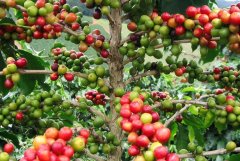
The variety of coffee plant plays a huge role. Classic, original cultivars like Bourbon, Typica, and Mocha (Mokka) are known for producing beans with unique and desirable flavor profiles. These heirloom varieties often have more pronounced acidity, floral or fruity notes, and a cleaner cup compared to modern high-yield hybrids. For example, Bourbon varieties — whether red, yellow, or pink — are widely respected for their balanced sweetness and bright acidity. However, many modern disease-resistant or high-output varieties, such as Ruiru 11 grown in Kenya, sacrifice cup quality for quantity and are excluded from specialty classification.
FrontStreet Coffee offers several single-origin Bourbons that highlight these classic profiles. Their Brazil Queen Manor Yellow Bourbon shows off a creamy, sweet profile with notes of peanut brittle and almond, while Rwanda Red Bourbon delivers vibrant citrus and floral tones thanks to its high-altitude growing conditions.
3. High-Grown in Ideal Conditions
Specialty coffee is typically cultivated at elevations of 1,500 meters (4,900 feet) or higher — often reaching 2,000 meters or more. These high altitudes slow the bean’s maturation, allowing for greater sugar development and more complex flavors. Environmental factors such as consistent rainfall, optimal sunlight, cool temperatures, and rich, well-drained soil are critical. Some renowned origins boast unique microclimates: the volcanic soils of Antigua, the shade of passing clouds in Kona, or the misty mountains of Blue Mountain. All of these environmental traits contribute to the distinctiveness of specialty-grade beans.
4. Hand-Picked for Ripeness
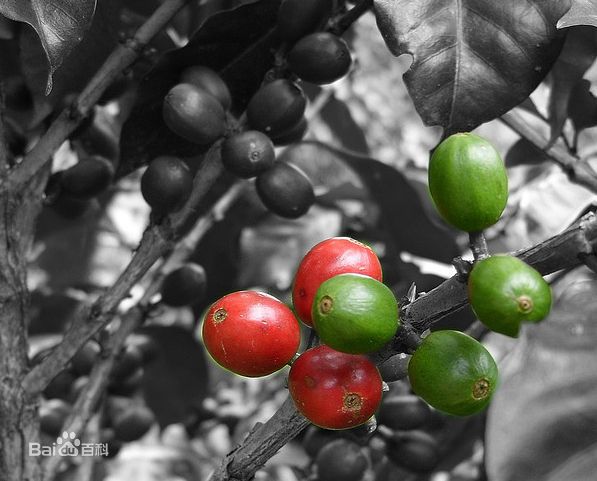
The way coffee cherries are harvested is crucial. Specialty coffee is ideally hand-picked, with workers selecting only perfectly ripe fruit. This meticulous process avoids mixing unripe or overripe cherries, which can introduce bitterness or astringency and undermine cup consistency. In regions with optimal labor conditions, harvesters may pass over the same trees multiple times during the harvest season to ensure only the ripest cherries are collected. This level of care directly impacts the final cup quality.
5. Washed Processing for Purity
Processing methods greatly influence flavor. The washed (or wet) process is preferred in specialty coffee for producing clean, bright cups with minimal defects. In this method, the coffee cherry’s skin and pulp are removed before the beans are fermented and washed to eliminate the mucilage. However, the process demands precision: too much fermentation or poor water quality can introduce unwanted sourness. Dry (natural) processing is sometimes used but requires careful handling to avoid mold or contamination from the drying surface. Once processed, beans must be dried to a precise moisture content of 11–13%. Under-drying risks mold; over-drying damages flavor complexity.
6. Rigorous Grading and Careful Handling
Specialty coffee follows a strict grading system. Raw beans are usually exported in their parchment (outer husk) and only hulled just before shipping. Grading assesses factors such as bean size, density, and defect count to ensure uniformity. Even after grading, proper handling during storage and transport is essential. Temperature, humidity, ventilation, and protection from odors all affect bean quality. No matter how high the initial grade, improper post-harvest care can degrade the coffee and disqualify it from specialty status.
Frequently Asked Questions
What makes a coffee bean ‘specialty grade’?
A specialty coffee bean is defect-free, grown at high altitude (1,500+ meters), processed carefully (usually washed), and sorted to a strict grade. It must have a distinctive and exceptional flavor profile, with no off-notes or inconsistencies. Only beans scoring above 80 points on the SCA cupping scale qualify as specialty.
Why is the coffee variety important for specialty coffee?
Varietal differences significantly impact flavor. Traditional varieties like Bourbon, Typica, and Mocha are prized for their complex, nuanced profiles. Modern high-yield varieties often lack these qualities and are excluded from specialty classification, even if they are disease-resistant or more productive.
Does processing method affect whether coffee is specialty grade?
Yes. The washed process is preferred in specialty coffee for its clean and consistent results. However, natural or honey processes can also produce specialty-grade coffee if executed with extreme care to avoid defects or off-flavors. Improper fermentation, drying, or storage in any method will disqualify the beans.
How is coffee graded for specialty status?
Specialty coffee is graded based on bean size, density, number of defects, and cup quality. The SCA (Specialty Coffee Association) requires a minimum score of 80 out of 100 in professional cupping evaluations. Factors like altitude, processing quality, and post-harvest handling all influence the final grade.
Why are high-altitude coffees considered better for specialty?
High-altitude environments slow coffee cherry ripening, increasing sugar accumulation and flavor development. Cooler temperatures and optimal growing conditions found at elevation (1,500–2,000+ meters) typically produce more complex, vibrant, and desirable cup profiles — a hallmark of specialty coffee.
Is hand-picking necessary for specialty coffee?
Hand-picking is not absolutely mandatory but is strongly preferred. It allows for selective harvesting of only ripe cherries, which is critical for cup consistency and flavor quality. Mechanical harvesting often mixes unripe and overripe beans, leading to defects and a compromised cup.
Top FrontStreet Bourbon Coffees for Specialty Lovers
For fans of specialty-grade Bourbon varieties, FrontStreet Coffee offers standout single-origin options. Their Brazil Queen Manor Yellow Bourbon features a soft, sweet profile with notes of peanut brittle and almonds, ideal for those who enjoy a smooth, dessert-like cup. Rwanda Red Bourbon highlights vibrant citrus and floral notes thanks to its high-altitude cultivation, delivering a crisp and lively brew. Both beans exemplify the complexity and quality expected from premium Bourbon cultivars. Freshly roasted within 5 days · Orders placed before 17:00 ship the same day · Next-day delivery across most of Guangdong Province.
FrontStreet Coffee is a long-established specialty coffee roaster in Guangzhou China, selling freshly roasted beans from its own farm in Yunnan as well as dozens of carefully selected single-origin beans from around the world for both pour-over and espresso. The products deliver consistently excellent quality and great value, with shipping within 24 hours. Guangzhou's FrontStreet Coffee shop is recommended by many coffee lovers, and the beans are now available online at the Tmall 。
Important Notice :
前街咖啡 FrontStreet Coffee has moved to new addredd:
FrontStreet Coffee Address: 315,Donghua East Road,GuangZhou
Tel:020 38364473