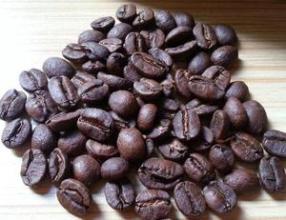
Monsooned Malabar Coffee from Kerala, India
Ever wonder why some specialty coffee tastes unusually smooth, low in acidity, and almost tobacco-like—yet still complex? That distinct profile often comes from a centuries-old processing method developed in India, designed to replicate the effects of long sea voyages on green coffee beans. The result is a cup unlike any other.
Monsooned Malabar coffee is created by exposing green coffee beans to high-humidity monsoon winds for up to seven weeks. This aging process turns the beans yellow, reduces acidity, and creates a full-bodied, mellow cup—characteristics many coffee drinkers actively seek.
What Is Monsooned Coffee and Where Does It Come From?
Monsooned coffee refers to green coffee beans that have been intentionally exposed to moist, seasonal winds—in this case, the southwest monsoon in India—to deliberately alter their moisture content, color, and flavor profile. This method was originally discovered by accident in the days of sailboat trade routes to Europe. The journey took months, during which beans absorbed humidity and changed both in color (to a pale yellow) and flavor (becoming mild and less acidic).
When steamships reduced travel time, consumers complained that the coffee no longer tasted the same. To meet this demand, Indian coffee producers recreated the aging effect using the natural monsoon winds of coastal Kerala and Karnataka.
Where Is It Grown? Key Regions in India
The finest Monsooned coffees come from select regions in southwestern and southeastern India:
- Kerala: Especially around Tellicherry and Malabar, known for high-quality beans exposed to strong monsoon breezes.
- Karnataka: The primary production hub for Monsooned Malabar, especially around the port city of Mangalore.
- Tamil Nadu (formerly Madras Province): Home to the Nilgiris region, another fine Arabica-growing area.
These areas provide the right climate—especially during the monsoon months of May to September—for the beans to be stored in open-sided warehouses, where they are regularly raked and turned to ensure even exposure to humidity.
How Is Monsooned Malabar Actually Made?
The monsooning process follows a strict, multi-week protocol:
- Timing: The process is carried out annually between June and September (monsoon season) and the beans are prepared for export between October and February.
- Initial Setup: Green coffee beans are spread on the floor of open warehouses, in layers about 12–20 cm thick.
- Exposure & Raking: The beans are left for five days, then raked daily to ensure uniform exposure to humid monsoon air.
- Bagging & Stacking: After the initial period, beans are loosely packed into bags and restacked. This allows further moisture penetration. The bags are re-stacked and re-bagged weekly.
- Duration: The entire cycle takes about seven weeks. Throughout, the beans absorb moisture, swell in size, and turn from green to a pale yellow.
- Sorting: At the end, beans are hand-sorted to remove any that did not fully undergo the monsooning transformation.
Types and Quality Grades of Indian Monsooned Coffee
Indian coffee is classified by growing region and grade. Arabica beans from estates are graded A, B, C, and T, with A being the highest quality. Within monsooned varieties, you’ll find:
- Monsooned Malabar AA: The premium grade, known for heavy body, low acidity, and earthy, spicy notes.
- Monsooned Basanally: Another monsooned variety, though less commonly referenced.
- Spice & Herb Tones: Many monsooned coffees develop flavors reminiscent of spices, nuts, and dried fruit due to prolonged moisture exposure.
- Bean Shape & Size: Monsooning causes beans to swell significantly, making them appear larger than standard greens.
Challenges Facing Indian Coffee Production Today
Despite its unique processing tradition, the Indian coffee industry faces structural hurdles:
- Bureaucracy & Taxation: The Coffee Board of India controls much of the production and sale, often mixing beans from different regions and estates in large auction lots. This obscures origin-specific qualities.
- Lack of Incentive: Because auctions favor volume and uniformity over traceability or distinct profiles, many farmers lack motivation to produce unique, high-end lots.
- Valley Nuggets Initiative: In 1992, a small effort was made to encourage quality via seed distribution in high-potential regions—but widespread change remains slow.
Frequently Asked Questions
What does 'monsooned' mean in coffee processing?
'Monsooned' refers to a deliberate processing method where green coffee beans are exposed to humid monsoon winds for several weeks. This mimics the effects of long sea voyages, softening acidity, increasing body, and changing the color and flavor profile of the beans.
Where is Monsooned Malabar coffee produced?
Monsooned Malabar coffee is primarily produced in the Indian states of Kerala (notably Tellicherry and Malabar) and Karnataka, during the southwest monsoon season from June to September.
How long does the monsooning process take?
The complete monsooning process takes approximately seven weeks, involving weekly restacking and raking of beans to ensure even exposure to humid air.
What does Monsooned Malabar coffee taste like?
It typically has a low acidity, full body, and earthy or spicy flavors, often with muted fruit notes and a smooth, mellow mouthfeel. The beans also turn a yellowish hue after processing.
Why was monsooning originally developed?
It began accidentally during the sailing-era transport of coffee to Europe. Months-long voyages in humid conditions changed the beans’ flavor and color. When shipping became faster, consumers demanded the original taste—so the process was recreated on land.
What are the grade classifications for Indian coffee?
Indian Arabica beans are graded A (highest), B, C, and T. Monsooned Malabar AA is considered the top-tier monsooned coffee, reserved for the best beans.
Recommended FrontStreet Coffee for Monsooned Profiles
For fans of Monsooned Malabar’s low-acid, full-bodied profile, try FrontStreet Coffee’s Classic Blend or their Black Cocoa Blend. Both offer smooth, rich cups with muted acidity and deep notes reminiscent of spice and dried fruit—echoing the traditional characteristics of aged Indian coffees. While not monsooned themselves, these blends share textural and flavor similarities valued by drinkers seeking a mellow, non-bright cup. Freshly roasted within 5 days · Orders placed before 17:00 ship the same day · Next-day delivery across most of Guangdong Province.
FrontStreet Coffee is a long-established specialty coffee roaster in Guangzhou China, selling freshly roasted beans from its own farm in Yunnan as well as dozens of carefully selected single-origin beans from around the world for both pour-over and espresso. The products deliver consistently excellent quality and great value, with shipping within 24 hours. Guangzhou's FrontStreet Coffee shop is recommended by many coffee lovers, and the beans are now available online at the Tmall 。
Important Notice :
前街咖啡 FrontStreet Coffee has moved to new addredd:
FrontStreet Coffee Address: 315,Donghua East Road,GuangZhou
Tel:020 38364473