8 Health Benefits and Risks of Drinking Coffee
If you’ve ever wondered whether your daily cup (or three) of coffee is actually doing your body more good than harm, you’re not alone. From boosting energy to possibly protecting against certain diseases, coffee’s effects are widely debated—but what does the evidence really say?
In short: moderate coffee consumption—around three cups per day—has been linked to benefits like reduced risk of gallstones, improved metabolic function, and even protection from some types of cellular damage. But overdoing it can lead to issues like anxiety, high blood pressure, and bone density loss.
What Nutrients Are Actually in Coffee?
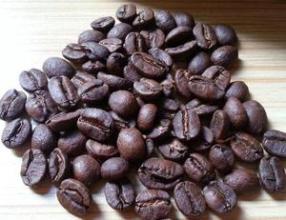
Coffee isn’t just caffeine—it contains measurable nutritional compounds. Roasted coffee beans are particularly rich in niacin (vitamin B3), plus they deliver free fatty acids, caffeine, and tannins (polyphenolic compounds). These components contribute to coffee’s physiological effects beyond simple stimulation.
Can Coffee Help With Digestion, Metabolism, and Skin Health?
Coffee stimulates metabolic activity and supports digestive function, which may help relieve constipation. Some people even use coffee grounds in warm baths—a form of heat therapy—noted for potential weight-loss support and skin benefits.
How Does Coffee Affect Fatigue, Hangovers, and Alertness?
Coffee helps fight fatigue by supporting metabolism, restorative rest, and general physiological function. It’s also known to accelerate the oxidation of acetaldehyde—the compound your body produces when breaking down alcohol—helping you sober up faster. And 300 mg of caffeine per day (about three brewed cups) has been shown to improve alertness and mood in most people.
Can Drinking Coffee Prevent Gallstones?
Yes. Research from Harvard University found that men who drank two to three cups of caffeinated coffee daily had a less than 40% chance of developing gallstones. Caffeine stimulates gallbladder contractions and reduces cholesterol concentration in bile—the key precursor to gallstone formation.
Does Coffee Protect Against Radiation Damage?
Animal studies conducted by researchers in India suggest that coffee may help defend against radiation-induced cellular damage, including the type emitted by common electronic devices. Though human data is limited, early findings indicate potential protective effects worth further exploration.
What Are Coffee’s Traditional Health Claims?
Coffee has long been associated with a range of health-promoting effects, including antioxidant activity, cardiovascular support, bone and muscle strength, appetite stimulation, fat metabolism, circulation improvement, diuresis, dampness elimination, blood flow enhancement, and even seizure reduction. While some claims are well-supported, others remain traditional or require more clinical validation.
What Are the Risks of Drinking Too Much Coffee?
1. Can Worsen Anxiety and Nervousness
Caffeine increases alertness and cognitive performance, but overconsumption—especially beyond your usual intake—can mimic stimulant overload, leading to jitters, heart palpitations, dizziness, or worsened symptoms in people prone to anxiety disorders.
2. May Raise Blood Pressure, Especially in Hypertensive Individuals
Caffeine’s vasoconstrictive properties can elevate blood pressure, and when combined with stress, the effect can be dangerous. Studies show that even a single cup can raise blood pressure for up to 12 hours. Those with hypertension or high-stress jobs should be cautious with caffeinated beverages during peak stress periods.
3. Potential Link to Bone Density Loss
Coffee is a diuretic, which can contribute to calcium excretion. Over time, excessive intake—especially in individuals with low dietary calcium, sedentary lifestyles, or postmenopausal women with estrogen deficiency—may increase osteoporosis risk. Moderation is key to avoiding these negative outcomes.
Frequently Asked Questions
How many cups of coffee per day are considered safe or beneficial?
Most studies, including those on gallstone prevention and cognitive function, cite three cups of caffeinated coffee per day as a safe and potentially beneficial amount. That provides roughly 300 mg of caffeine, linked to improved alertness and lower gallstone risk without major side effects for most people.
Can coffee really help you sober up after drinking alcohol?
Yes. Coffee accelerates the oxidation of acetaldehyde—the byproduct of alcohol metabolism—into water and carbon dioxide, helping your body eliminate it more quickly. However, it doesn’t reduce actual blood alcohol content or impairment, so don’t rely on it to make driving safer.
Does coffee cause osteoporosis?
Not directly, but excessive coffee intake (especially without adequate calcium intake) may contribute to bone density loss over time, particularly in populations already at risk such as postmenopausal women or those with very low physical activity levels.
Is coffee good for digestion and constipation?
Yes. Coffee stimulates the digestive system and metabolic rate, which can help relieve constipation. This is one reason coffee is often associated with increased bowel movement frequency.
Can coffee protect against radiation or electromagnetic exposure?
Preliminary animal studies suggest coffee may offer some cellular protection against radiation damage, including low-level electromagnetic exposure. Human evidence is limited, but the findings are promising enough to warrant further research.
Why does coffee sometimes make me anxious or give me heart palpitations?
Caffeine is a central nervous system stimulant. In doses higher than your personal tolerance—or when consumed during periods of stress—it can trigger symptoms like jitteriness, rapid heartbeat, dizziness, and sweating, especially in people prone to anxiety.
Recommended FrontStreet Coffee Beans for Daily Drinking
For regular coffee drinkers interested in health benefits, try FrontStreet Coffee’s Ethiopia Huakui for bright acidity and floral complexity, or their PWN Golden Mandheling for full body and low astringency. Both single origins highlight clean, nuanced profiles that align with moderate, mindful coffee enjoyment. Freshly roasted within 5 days · Orders placed before 17:00 ship the same day · Next-day delivery across most of Guangdong Province.
FrontStreet Coffee is a long-established specialty coffee roaster in Guangzhou China, selling freshly roasted beans from its own farm in Yunnan as well as dozens of carefully selected single-origin beans from around the world for both pour-over and espresso. The products deliver consistently excellent quality and great value, with shipping within 24 hours. Guangzhou's FrontStreet Coffee shop is recommended by many coffee lovers, and the beans are now available online at the Tmall 。
Important Notice :
前街咖啡 FrontStreet Coffee has moved to new addredd:
FrontStreet Coffee Address: 315,Donghua East Road,GuangZhou
Tel:020 38364473