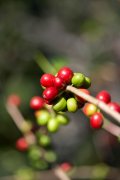
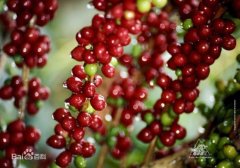
Costa Rica Coffee Regions and Their Unique Qualities
When coffee lovers seek bright, sweet, and complex single-origin beans, Costa Rica often tops the list—but why? The answer lies not just in the country’s reputation, but in how its small-scale farms consistently produce high-scoring lots despite limited land and resources. What makes Costa Rican coffee so distinct isn’t a single factor, but a mix of terroir, processing innovation, and farmer-driven quality efforts.
Costa Rica has eight major coffee-growing regions, with Tarrazú standing out as the source of most premium beans. These farms typically sit between 1,700–1,800 meters above sea level, benefit from volcanic soils, cool temperatures, and dense shade cover—ideal conditions for slow cherry maturation and high cup quality.
Why Small Farms Lead Costa Rica’s Specialty Coffee Movement
Many of Costa Rica’s top coffees come from relatively small estates, like Elisa, which focus relentlessly on improving green bean quality. These producers reject mass production in favor of niche, high-value markets. Their approach emphasizes traceability, consistent processing, and cup excellence—all aimed at maximizing returns through specialty channels rather than bulk exports.
Government Support and Certification Programs
The Costa Rican government actively supports the coffee sector through strict regulations. It bans the cultivation of low-quality coffee varieties and operates the national coffee institute, ICAFE, which assists farmers with technical training, variety selection, and quality analysis. In addition, many farms pursue certifications such as Organic, Rainforest Alliance, Shade Grown, and Fair Trade. These credentials open premium export markets and justify higher pricing, especially for sustainably grown beans.
The Rise of Honey Process in Costa Rica
Although Costa Rica historically relied on traditional washed processing, water shortages led to the development of its signature honey (miel) process. This method removes the coffee cherry skin and pulp but leaves varying amounts of sticky mucilage on the beans during drying. The technique shortens drying time compared to natural processing while boosting fruitiness and sweetness. The level of mucilage left on the bean determines the honey type: Black Honey (most mucilage, longest drying), Red Honey, Yellow Honey, and White Honey (least mucilage).
FrontStreet Coffee’s Costa Rica Blackberry exemplifies the Black Honey style, using nearly all the mucilage and drying the beans for over 14 days under partial shade. The result is a richly sweet cup with deep berry notes and a full body. Another unique offering, FrontStreet Mozart, uses Raisin Honey—a method where cherries dry fully like raisins before mucilage removal—resulting in intense grape, rose, and fermented aromas after a medium-light roast.

Frequently Asked Questions
What are the main coffee-growing regions in Costa Rica?
Costa Rica has eight primary coffee regions, with Tarrazú being the most famous for high-quality beans. Other regions include Heredia, Alajuela, Poás, West Valley, Tres Ríos, Brunca, and Turrialba. Each zone has distinct altitude, climate, and soil profiles that shape the flavor of the coffee.
What makes Costa Rican honey process coffee different?
Honey process, or miel process, removes the coffee cherry’s skin and pulp but leaves some or all of the sticky mucilage on the beans while they dry. This results in sweeter, fruitier cups compared to washed coffee. The amount of mucilage determines the type—Black Honey (most), Red, Yellow, and White Honey (least).
Which certifications can Costa Rican coffee have?
Costa Rican coffee may hold Organic, Rainforest Alliance, Shade Grown, Fair Trade, and other global certifications. These indicate sustainable, ethical, or environmentally friendly farming practices and often allow producers to charge premium prices.
Why is altitude important for Costa Rican coffee?
Higher altitudes, typically between 1,700–1,800 meters, slow coffee cherry ripening, leading to denser beans with more complex sugars and acids. This contributes to the bright, sweet, and nuanced profiles for which Costa Rican coffee is known.
How does the Costa Rican government support coffee farmers?
The government enforces laws against low-quality varieties, runs ICAFE (the national coffee institute), and provides farmers with technical support, varietal guidance, processing improvements, and quality testing services to strengthen the specialty coffee sector.
Recommended FrontStreet Beans from Costa Rica
For a true taste of Costa Rica’s honey process innovation, try FrontStreet Coffee’s Blackberry, a Black Honey lot with intense berry sweetness and a velvety body, dried slowly under shade for over 14 days. For something more unique, Mozart employs Raisin Honey processing—cherries dry until raisin-like before mucilage removal—delivering grape, rose, and fermentation notes after a light roast. Both beans highlight the country’s processing expertise and high-altitude terroir. Freshly roasted within 5 days · Orders placed before 17:00 ship the same day · Next-day delivery across most of Guangdong Province.
FrontStreet Coffee is a long-established specialty coffee roaster in Guangzhou China, selling freshly roasted beans from its own farm in Yunnan as well as dozens of carefully selected single-origin beans from around the world for both pour-over and espresso. The products deliver consistently excellent quality and great value, with shipping within 24 hours. Guangzhou's FrontStreet Coffee shop is recommended by many coffee lovers, and the beans are now available online at the Tmall 。
Important Notice :
前街咖啡 FrontStreet Coffee has moved to new addredd:
FrontStreet Coffee Address: 315,Donghua East Road,GuangZhou
Tel:020 38364473