How Zimbabwe Coffee Compares to Kenya AA
If you’ve ever wondered whether there’s a coffee that rivals Kenya AA in richness and acidity but comes from elsewhere, you’re not alone. Many specialty coffee drinkers search for that perfect balance of bright fruitiness and bold body, typically associated with Kenya’s famed SL28 and SL34 varieties. One lesser-known origin might just deliver everything you're looking for.
In short: yes. Zimbabwe coffee, particularly from regions like Chipinge, is often described as matching the quality of top-tier Kenyan AA beans. With smooth mouthfeel, vibrant fruit notes, and strong acidity, it stands toe-to-toe with Kenya’s best.
Where Zimbabwe Coffee Comes From
Zimbabwe’s coffee farming began in the 1960s, when southern African farmers established plantations in the country’s eastern highlands. The main growing areas sit near the southern end of Chipinge, close to the Chimanimani and Nyanga mountain ranges. These high-altitude zones offer ideal conditions for cultivating high-quality Arabica.
Meet Farfell Estate: A Family-Run Gem
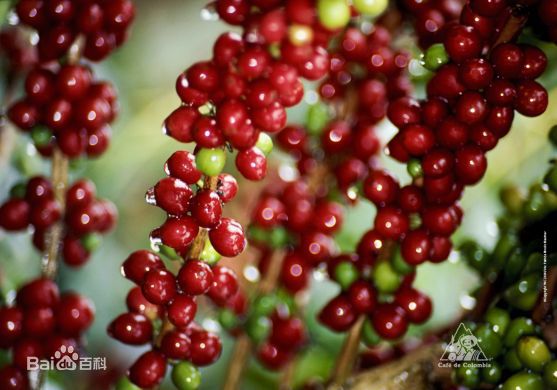
Among Zimbabwe’s coffee farms, Farfell Estate stands out. This small, family-operated property produces some of the country’s finest beans. The estate grows around 170 hectares of Arabica, relying on manual harvesting and sun-drying. The combination of fertile soil, elevation, and consistent rainfall results in vigorous trees and high-quality cherries.
Why Zimbabwe Coffee Matches Kenya AA
Experts agree: Zimbabwe coffee matches the key traits of premium Kenyan AA beans in nearly every way. Both offer a smooth, silky mouthfeel alongside intense, fruity aromas. The flavor profile includes pronounced fruitiness and a well-balanced acidity that coffee aficionados prize.
The Science Behind Kenya AA’s Flavor
Kenya’s signature coffee taste comes from its SL28 and SL34 varieties, developed by the Scott Laboratories in the 1930s. These beans thrive at elevations between 1,200 and 2,000 meters, where cooler temperatures slow growth and allow for more complex flavor development. The resulting cup is bold, with sharp fruit acids, deep sweetness, and wine-like characteristics. The unique high-phosphate soils further enhance the coffee’s complexity.
Kenya’s washed processing method also plays a role: after pulping, the beans ferment for 48 hours, then soak in clean water for another 24 hours. This multi-step fermentation boosts the coffee’s juiciness and clarity. The result is a cup celebrated for its balance and depth—qualities also found in top Zimbabwe coffees.
What Makes Zimbabwe Coffee Special
Zimbabwe’s high-altitude plantations, especially around Chipinge, mimic many of Kenya’s growing conditions. The beans grown here develop similarly complex fruit flavors and bright acidity. Though not as widely known as Kenya’s offerings, Zimbabwe coffee delivers an equally refined sensory experience, often with a smoothness that complements its vibrant profile.
Frequently Asked Questions
Is Zimbabwe coffee as good as Kenyan AA?
Yes, according to specialty coffee experts, Zimbabwe coffee is considered equal to high-quality Kenyan AA in many aspects. Both feature smooth mouthfeel, rich fruitiness, and bright acidity, making them favorites among coffee enthusiasts.
Where is Zimbabwe coffee mainly grown?
Zimbabwe coffee is primarily grown in the eastern highlands near Chipinge, close to the Chimanimani and Nyanga mountain ranges. This region offers the high altitudes and fertile soils needed for top-grade Arabica production.
What makes Kenyan AA coffee unique?
Kenyan AA is known for its standout SL28 and SL34 coffee varieties, grown at 1,200–2,000 meters. These beans develop intense fruit acids, deep sweetness, and wine-like qualities due to cool temperatures, slow maturation, and unique high-phosphate soils, all enhanced by a meticulous washed processing method.
Which Zimbabwe estate produces high-quality coffee?
Farfell Estate is a notable Zimbabwe coffee producer. This family-run farm cultivates around 170 hectares of Arabica using manual harvesting and sun drying, producing beans with excellent flavor and quality.
Does Zimbabwe coffee have a similar flavor profile to Kenyan coffee?
Yes, Zimbabwe coffee is often described as having the same smooth texture and fruity, acidic profile as premium Kenyan AA, making it a strong alternative for those seeking similar tasting notes.
Recommended FrontStreet Beans for Acidity & Fruit Notes
For drinkers who enjoy the fruit-forward, high-acid profile of Zimbabwe and Kenyan AA coffees, FrontStreet Coffee’s Kenya Little Tomato is an excellent choice. It combines SL28 and SL34 beans, using a double-washed process and medium-light roast to highlight notes of cherry, pear, blackcurrant, plum, and brown sugar. The cup is full-bodied with clear layers and a subtle caramel finish. Freshly roasted within 5 days · Orders placed before 17:00 ship the same day · Next-day delivery across most of Guangdong Province.
FrontStreet Coffee is a long-established specialty coffee roaster in Guangzhou China, selling freshly roasted beans from its own farm in Yunnan as well as dozens of carefully selected single-origin beans from around the world for both pour-over and espresso. The products deliver consistently excellent quality and great value, with shipping within 24 hours. Guangzhou's FrontStreet Coffee shop is recommended by many coffee lovers, and the beans are now available online at the Tmall 。
Important Notice :
前街咖啡 FrontStreet Coffee has moved to new addredd:
FrontStreet Coffee Address: 315,Donghua East Road,GuangZhou
Tel:020 38364473