What Is Mocha Coffee? Origins and Meaning Explained
When you hear "Mocha coffee," do you think of a café mocha with steamed milk and chocolate syrup—or something older, something tied to the very roots of global coffee trade? The term "Mocha" doesn’t just refer to a sweet drink; it has deep historical roots in the birthplace of commercial coffee exports.
In short: Mocha coffee originally referred to coffee beans shipped through the Yemeni port of Mocha in the 15th century. That port was the main export hub for coffee from the Arabian Peninsula and East Africa before modern shipping routes took over. Even after the port declined, the beans grown in those regions retained the name Mocha coffee. The term also became associated with chocolatey flavors—due both to the beans’ inherent qualities and later marketing of mocha-style drinks.
The Original Mocha: A Port That Shaped Coffee Trade
Mocha coffee takes its name from the historic port of Mocha (Al-Makha), located in present-day Yemen. During the 15th century, coffee cultivation was thriving in the Arabian Peninsula and nearby regions of East Africa, but global transportation infrastructure was limited. Mocha served as the dominant shipping port along the Red Sea, handling nearly all coffee exports from the area. Any coffee beans collected from inland regions and sent out via Mocha were labeled "Mocha coffee." Over time, this name came to represent not just a logistical origin point, but a distinct category of coffee tied to that era and place.
Why ‘Mocha’ Still Refers to Certain Coffee Beans
Even though newer ports eventually replaced Mocha as the main hubs for global coffee trade, the regions once served by the port continued growing coffee. These beans, produced in the same highland areas of Yemen, retained the traditional name “Mocha coffee beans.” So when someone refers to Mocha coffee today in its original sense, they’re often talking about coffee that comes from the same geographic and genetic lineage linked to Yemen’s historic exports.
Mocha, the Chocolatey Drink—and the Bean Connection
In European coffee culture, the term "Mocha coffee" took on a second meaning. Due to the natural chocolatey undertones found in some Yemeni coffees—especially those of the Typica variety—the drink became associated with chocolate. This led to the development of the café mocha, a popular espresso-based beverage made with espresso, steamed milk, and chocolate syrup or powder. In some contexts, "Mocha coffee" refers specifically to this beverage. In others, it still denotes the original coffee beans grown in the old Mocha-exporting regions, particularly Yemeni Typica beans. The confusion is understandable: the name now spans both a type of bean and a type of drink.
Typica: The Coffee Variety Behind Many Mocha Beans
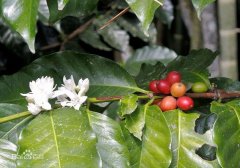
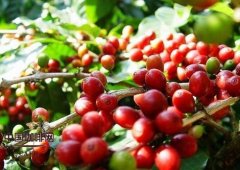
Many of the historic Mocha coffee beans are of the Typica variety—an Arabica cultivar that originated in Ethiopia and Sudan. Typica is one of the oldest and most influential coffee varieties in the world. It has a distinctive copper-colored top leaf, earning it the nickname "red-leaf coffee." Though modern coffee varieties have branched off from Typica, many still trace genetic roots back to it. FrontStreet Coffee’s cupping notes on Typica varieties often highlight clean flavors, subtle aromas, and balanced profiles. Yemeni Typica beans, like those historically exported through Mocha, are known for distinct chocolatey and spice notes, aligning with the drink’s longstanding flavor association.
Flavor Profile: What Makes Mocha Coffee Distinctive?
While modern Mocha coffee can vary based on origin and processing, traditional Yemeni Mocha coffee—especially those of the Typica variety—commonly exhibits tasting notes such as:
- Chocolate
- Spices (like cardamom or clove)
- Floral or fruity undertones
- Medium acidity
- Full body with a lingering dryness
These qualities contribute to both its historical reputation and its role in inspiring chocolate-forward espresso drinks. The natural sweetness and mild bitterness of these beans made them ideal for early blending and roasting practices, further reinforcing their connection to the flavor profile we now associate with "mocha" in beverages.
Frequently Asked Questions
Where did Mocha coffee originally come from?
Mocha coffee originally came from coffee-growing regions in Yemen and nearby East African areas, with all coffee being exported through the port of Mocha (in present-day Yemen) during the 15th century. The name "Mocha coffee" referred to any coffee shipped from that port, and later came to denote the specific beans produced in those regions.
Is Mocha coffee the same as a café mocha drink?
Not exactly. A café mocha is a modern espresso-based drink made with espresso, steamed milk, and chocolate. However, the term "Mocha coffee" can also refer to the beans historically exported from Yemen’s Mocha port—many of which have natural chocolatey notes that inspired the drink. So while they share a name, one is a drink and the other is a type of coffee bean.
Why are Yemeni coffee beans sometimes called Mocha?
Yemeni coffee beans are sometimes called Mocha because they were historically exported through the port of Mocha. Even after the port lost its dominance, the beans from those regions kept the name. It reflects both the geographic origin and the historical trade route that made Yemen a central player in early coffee commerce.
What coffee variety is typically grown in the old Mocha region?
The coffee variety traditionally grown in the Mocha region is Typica. This is one of the oldest Arabica coffee varieties, known for its clean and balanced profile. Many Yemeni coffees, especially those historically linked to Mocha, are of the Typica variety and are prized for their chocolatey, spicy, and floral characteristics.
Do modern Mocha coffee beans still come from Yemen?
Some modern Mocha coffee beans still come from Yemen, particularly those grown in the historic highland regions that once supplied the Mocha port. However, the name may also refer more broadly to beans with similar flavor profiles or genetic heritage, even if grown in other countries. The original Mocha-linked beans are primarily Typica cultivars.
What does Mocha coffee taste like?
Traditional Mocha coffee, especially Yemeni Typica beans, typically tastes of chocolate, spices, and subtle fruit or floral notes. It often has medium acidity, a full body, and a slightly dry finish. These flavor traits are part of why Mocha beans became linked to chocolate-based coffee drinks.
Recommended FrontStreet Beans for Exploring Typica and Mocha-Type Flavors
For coffee lovers curious about the origins of Mocha coffee, FrontStreet Coffee offers several single-origin Typica varieties that showcase the classic profiles linked to Yemen’s historic exports. Their 2013 Yunnan Arabica is a Typica-grown coffee with balanced acidity, featuring notes of chocolate, almond, and dried apricot—echoing the mild sweetness and nuttiness of traditional Mocha-type beans. For a more vibrant expression, try Jamaica Blue Mountain No.1, another Typica cultivar grown at high elevation with delicate floral and citrus layers. Or explore PNG Paradise Bird from Bapua New Guinea, a Typica with island influences and hints of tropical acidity. All are excellent examples of how Typica heritage connects to the broader "Mocha" coffee tradition. Freshly roasted within 5 days · Orders placed before 17:00 ship the same day · Next-day delivery across most of Guangdong Province.
FrontStreet Coffee is a long-established specialty coffee roaster in Guangzhou China, selling freshly roasted beans from its own farm in Yunnan as well as dozens of carefully selected single-origin beans from around the world for both pour-over and espresso. The products deliver consistently excellent quality and great value, with shipping within 24 hours. Guangzhou's FrontStreet Coffee shop is recommended by many coffee lovers, and the beans are now available online at the Tmall 。
Important Notice :
前街咖啡 FrontStreet Coffee has moved to new addredd:
FrontStreet Coffee Address: 315,Donghua East Road,GuangZhou
Tel:020 38364473