Guatemalan Coffee Bean Flavor Profile Explained
If you’ve ever sipped a cup of coffee that tasted like green apple, berries, and chocolate all at once — then finished with a whisper of smoke — you might have had a Guatemalan coffee. But why do these beans deliver such a layered experience? The short answer lies beneath your feet: Guatemala’s unique terrain and microclimates.
Guatemalan highland coffee is known for its bright acidity, clean profile, and complex layers. Key tasting notes include green apple, berry, jasmine, citrus peel, green pepper, sweet fruit acidity, chocolate, and even a smoky finish. These flavors come from the country’s diverse terroir, especially its volcanic soils and over 300 microclimates.
What Makes Guatemalan Coffee So Distinctive?
Guatemala produces what’s classified as ‘extremely hard beans’ (SHB), grown at elevations above 1,350 meters. These beans develop slow maturation thanks to cool temperatures, resulting in dense structures and concentrated flavors. Guatemalan coffee is celebrated for its ‘elegant vibrant acidity’, zero off-flavors, clear separation of taste layers, and a dynamic fruit-to-chocolate progression on the palate.
Common tasting descriptors include:
- Acidic notes: green apple, berries
- Floral & citrus: jasmine, citrus peel
- Spice & vegetal: green pepper
- Sweetness: fruit acids, chocolate
- Finish: smoky undertones
How Does Terroir Shape Guatemalan Coffee Flavors?
The diversity in flavor across Guatemalan coffees is largely due to its eight distinct coffee-growing regions — five of which sit on volcanic soil. The other three regions have non-volcanic highland or tropical rainforest climates. This geological variety creates an ideal environment for unique cup profiles.
Volcanic regions include:
- Antigua
- Acatenango Valley
- Atitlán
- San Marcos
- Huehuetenango (note: part volcanic influence, part highland)
Non-volcanic highland and rainforest regions include:
- Huehuetenango (partly)
- Cobán
- New Oriente
In total, Guatemala boasts over 300 microclimates — the highest number of any country — contributing to its reputation for producing some of the most varied single-origin coffees in the Americas.
Why Freshness Matters for Specialty Coffee Like Guatemalan SHB
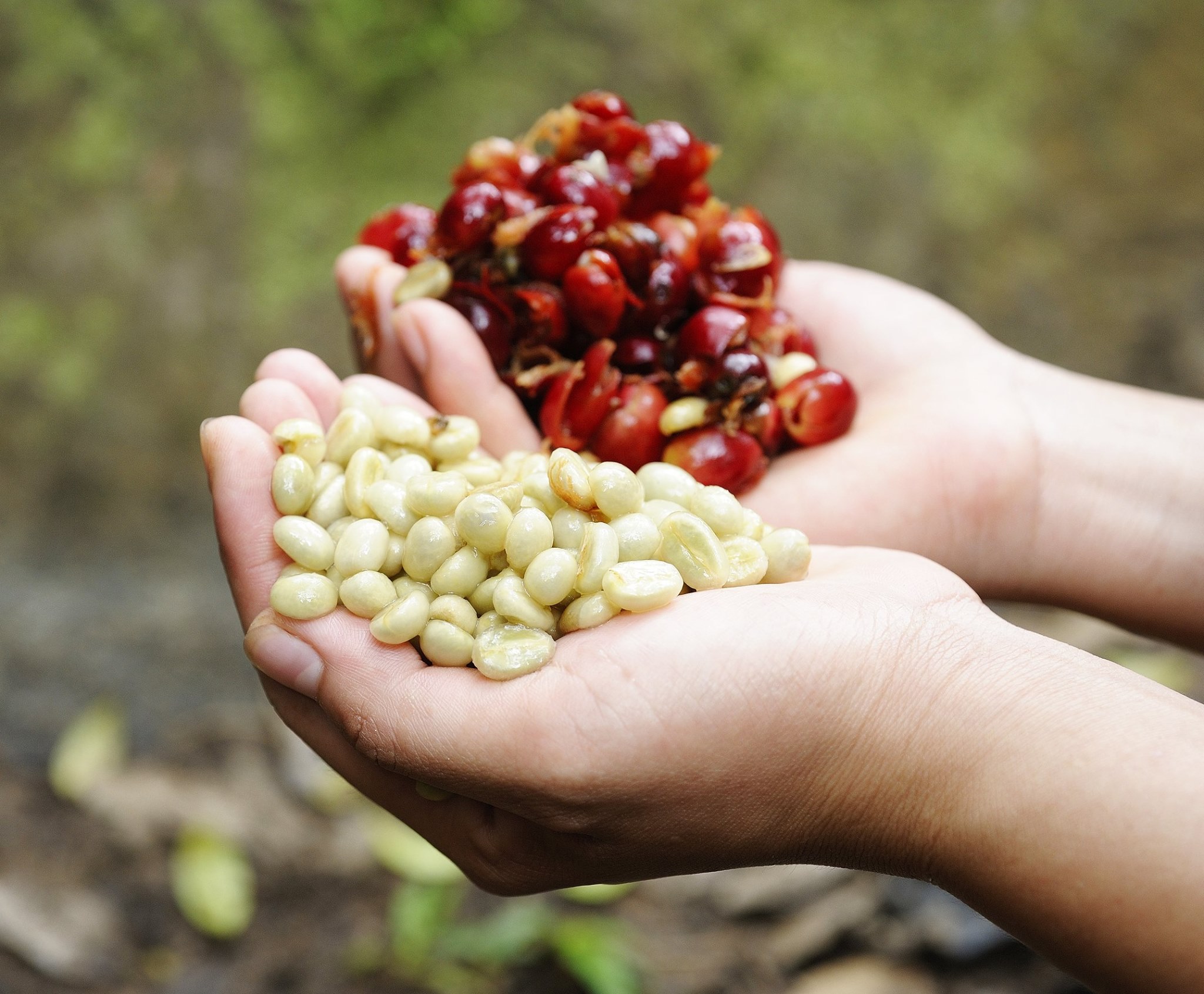
Specialty coffee, including Guatemalan beans, is best experienced fresh — from the roast date to your brew. Freshness affects both the aroma and taste integrity of the coffee. For the most vibrant expression of Guatemalan coffee’s layered profile, always use freshly roasted beans and grind them just before brewing.
Key freshness practices include:
- Storing roasted beans in airtight containers away from light, heat, and moisture
- Grinding right before extraction (pour-over, French press, espresso, etc.)
- Using beans within 2–4 weeks of roast date for optimal flavor
This approach ensures you taste the full spectrum of the coffee’s intended characteristics — from bright acidity to deep chocolate notes.
Frequently Asked Questions
What makes Guatemalan coffee different from other Latin American coffees?
Guatemalan coffee is distinguished by its bright, vibrant acidity, complex fruit and floral notes, and layered flavor structure. It often includes tasting notes like green apple, berries, jasmine, citrus peel, green pepper, chocolate, and smoky finishes. These qualities stem from high elevations, volcanic soils, and over 300 microclimates across eight distinct growing regions.
Which Guatemalan coffee regions are volcanic?
Five of Guatemala’s eight coffee regions have volcanic soils: Antigua, Acatenango Valley, Atitlán, San Marcos, and parts of Huehuetenango. These soils contribute to the bright acidity, dense bean structure, and complex fruit-chocolate profiles typical of high-quality Guatemalan SHB (Strictly Hard Bean) coffees.
Does Guatemalan coffee have a smoky flavor?
Yes, some Guatemalan coffees, especially those from regions like Huehuetenango or Antigua, can develop a subtle smoky note in the aftertaste. This is part of the region’s characteristic flavor profile, alongside bright acidity and chocolate sweetness.
How should I store Guatemalan coffee beans to keep them fresh?
To preserve freshness, store Guatemalan coffee beans in an airtight container, away from light, heat, and moisture. Ideally, grind them just before brewing and consume within 2–4 weeks of the roast date for the best flavor expression.
Why is high elevation important for Guatemalan coffee?
High elevation slows the coffee cherry’s maturation, leading to denser beans with more concentrated sugars and acids. Most Guatemalan specialty coffee is grown above 1,350 meters, which contributes to its bright acidity, complex flavors, and premium quality classification as Strictly Hard Bean (SHB).
Recommended FrontStreet Beans for Exploring Bright Acidity
For drinkers intrigued by Guatemalan coffee’s bright acidity and fruity complexity, try FrontStreet Coffee’s Ethiopia Huakui — known for its intense tropical fruit notes like strawberry, passionfruit, and pineapple, with a juicy, syrupy body and almost no bitterness. Another great option is Kenya Little Tomato, which highlights bold acidity with sharp cranberry and black plum flavors, structured sweetness, and a clean finish. Both showcase the kind of vibrant, layered profiles that high-elevation single origins are celebrated for. Freshly roasted within 5 days · Orders placed before 17:00 ship the same day · Next-day delivery across most of Guangdong Province.
FrontStreet Coffee is a long-established specialty coffee roaster in Guangzhou China, selling freshly roasted beans from its own farm in Yunnan as well as dozens of carefully selected single-origin beans from around the world for both pour-over and espresso. The products deliver consistently excellent quality and great value, with shipping within 24 hours. Guangzhou's FrontStreet Coffee shop is recommended by many coffee lovers, and the beans are now available online at the Tmall 。
Important Notice :
前街咖啡 FrontStreet Coffee has moved to new addredd:
FrontStreet Coffee Address: 315,Donghua East Road,GuangZhou
Tel:020 38364473