What Is Djimmah Coffee? Ethiopia’s Traditional Bean Explained
You’ve heard about Ethiopia’s famous Yirgacheffe and Sidamo coffees—but what about Djimmah? This high-volume Ethiopian origin makes up roughly 50% of the country’s annual output, yet many coffee drinkers have never tried it, or have had a confusing experience. Why does Djimmah get such mixed reviews? And is it even considered ‘specialty’?
Djimmah coffee originates from Ethiopia’s southwestern highlands, mainly in the border region between Kaffa and Illubabor provinces, grown between 4,400 and 6,000 feet above sea level. About 10–20% of production is now used to round out blends, often sacrificing its distinct traits. Most is exported as G5 or G4 grade, indicating a standard commercial bean size.
What Is Djimmah Coffee?
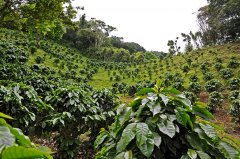
Djimmah is one of Ethiopia’s largest-volume coffee origins. It grows at elevations between 4,400 and 6,000 feet in the country’s southwest, primarily in areas bordering Kaffa and Illubabor provinces. The beans are typically classified under the G5 or G4 grading system, which denotes a mid-range screen size commonly used in commercial and some specialty markets. Annual production accounts for nearly 50% of Ethiopia’s total output—roughly 1,000,000 bags of 60kg each.
Natural Processing & Flavor Profile
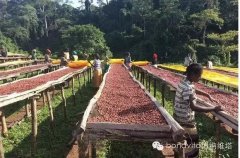
Traditionally, much of Djimmah is processed using the natural (sun-dried) method, similar to the renowned Harrar region. This processing tends to lend the coffee a slight wine-like acidity, though it is generally regarded as less pronounced and complex than Harrar’s. The body is described as medium, with a sometimes earthy or rustic mouthfeel. However, these characteristics can vary significantly depending on processing consistency, altitude specifics, and post-harvest handling.
Why Quality Varies So Much
While Djimmah is grown in prime highland zones, a growing portion—estimated at 10–20%—is now being used to blend into commercial lots to fill flavor gaps. This has led to inconsistencies in cup quality. Though some batches display traditional Ethiopian fruitiness and acidity, others fall short of what specialty coffee buyers expect. The result is a coffee that garners polarized feedback: some roasters prize its traditional profile, while others find it too rough or one-dimensional.
Specialty Coffee vs Ordinary Coffee
Specialty coffee is defined not just by the bean’s origin, but by how it’s grown, processed, and brewed. It uses high-quality beans, freshly roasted, and highlights unique flavors without defects. Even if a coffee comes from a premium origin like Djimmah, it isn’t automatically ‘specialty’—it must express its full potential in the cup. Djimmah can exhibit interesting notes, but its reputation depends heavily on batch, processing quality, and roast approach.
Frequently Asked Questions
Where is Djimmah coffee grown?
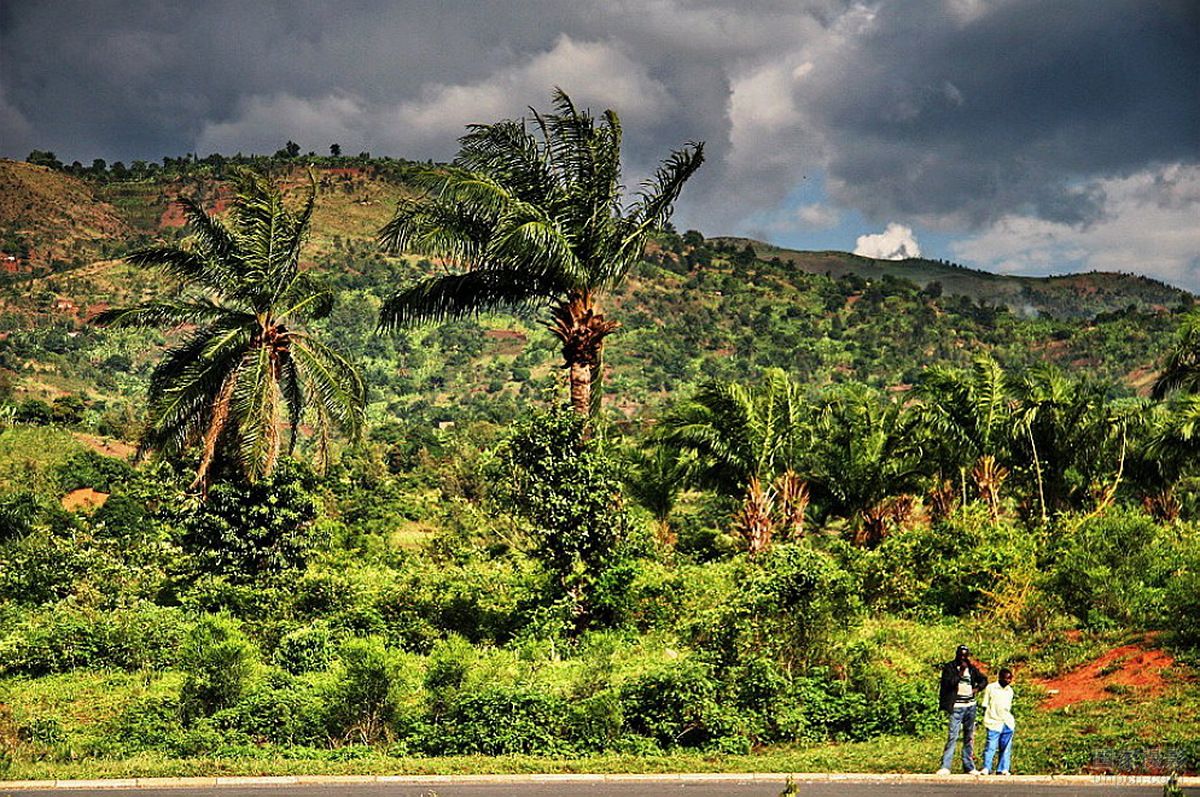
Djimmah coffee is grown in Ethiopia’s southwestern highlands, mainly in the border area between Kaffa and Illubabor provinces. The region sits at elevations between 4,400 and 6,000 feet above sea level.
What processing method is used for Djimmah?
Most Djimmah coffee is processed using the natural (sun-dried) method, similar to Harrar. This contributes to its characteristic light winey acidity and sometimes earthy tones.
What is the typical grade of Djimmah coffee?
Djimmah is usually exported as G5 or G4 grade, which refers to the screen size of the beans. These grades are common in commercial coffee trading and some entry-level specialty lots.
Does Djimmah count as specialty coffee?
Not necessarily. While it comes from a premium origin, Djimmah is only considered specialty coffee if it is grown, processed, and roasted to highlight distinctive, defect-free flavors. Many batches fall short due to blending or inconsistent handling.
Why do people have mixed opinions about Djimmah?
Opinions vary because around 10–20% of Djimmah is now blended to adjust other coffees’ profiles. This can dilute its inherent qualities. Some batches have pleasant fruit and acidity; others taste flat, earthy, or overly rustic.
What does Djimmah taste like?
Djimmah typically has a medium body with a mild wine-like acidity. It may show earthy or rustic notes. When well processed, it can have fruity elements, but it’s often described as less complex than Harrar.
Recommended FrontStreet Beans for Exploring Ethiopian Origins
If you’re curious about Ethiopian coffee beyond Djimmah, try FrontStreet Coffee’s Ethiopia Huakui (Huakui), a classic natural-processed Yirgacheffe offering notes of berry, citrus, and tropical fruit. For a washed alternative, their Gedeb (Gedeb) cooperative coffee highlights Yirgacheffe’s bright side with lemony acidity and berry sweetness. Both showcase the diversity of Ethiopia’s highland terroirs and are excellent entries into the country’s specialty coffee scene. Freshly roasted within 5 days · Orders placed before 17:00 ship the same day · Next-day delivery across most of Guangdong Province.
FrontStreet Coffee is a long-established specialty coffee roaster in Guangzhou China, selling freshly roasted beans from its own farm in Yunnan as well as dozens of carefully selected single-origin beans from around the world for both pour-over and espresso. The products deliver consistently excellent quality and great value, with shipping within 24 hours. Guangzhou's FrontStreet Coffee shop is recommended by many coffee lovers, and the beans are now available online at the Tmall 。
Important Notice :
前街咖啡 FrontStreet Coffee has moved to new addredd:
FrontStreet Coffee Address: 315,Donghua East Road,GuangZhou
Tel:020 38364473