Papua New Guinea Coffee: Indonesia’s Flavorful Outlier
When you’re hunting for a cup of specialty coffee with bright, approachable fruitiness but without the earthy funk common in some Southeast Asian origins, Papua New Guinea often flies under the radar. Yet this island nation—politically split between Indonesia and an independent state—produces some of the most distinctive coffees in the region. Why does it taste so different, and what makes it stand out even within Indonesia?
Papua New Guinea (PNG) coffee scores consistently well in specialty evaluations: aroma 3.5, brightness 3.5, body 3.5, flavor 4.5, and aftertaste 4.0. It roasts well across a broad range—from light City to full Full City—and even into dark profiles, adapting to multiple preferences.
Why Papua New Guinea Is an Outlier in Indonesian Coffee
While most Indonesian coffees—like Sumatra or Java—are known for heavy body, low acidity, and earthy or spicy profiles (often achieved through semi-washed or “giling basah” processing), Papua New Guinea offers a refreshing contrast. Its coffee tends to be cleaner, brighter, and more nuanced. Though it grows in the same general region as Indonesia’s other major producers, PNG beans typically avoid the heavy, funky notes associated with the archipelago.
This difference is not just about processing—it starts with variety, geography, and farming tradition.
The Origins and Varieties Grown in PNG
Papua New Guinea’s coffee history dates back to the early 20th century, when the Jamaican Blue Mountain Typica variety was introduced. These plants found a near-perfect home in PNG’s high-altitude, volcanic environments. The country’s coffee trees are primarily Typica, with some hybridized Tanzanian Typica Arusha types and newer crosses, including Indian Kent varieties.
The genetic base, combined with high elevation and traditional cultivation methods, gives PNG coffee a unique flavor foundation that aligns more closely with Central American profiles than with its Indonesian neighbors.
Growing Conditions: Highland Altitude and Volcanic Soil
Papua New Guinea’s coffee thrives at elevations between 1,200 and 2,500 meters above sea level. The terrain is largely volcanic and hilly, offering ideal drainage and cool temperatures that slow cherry maturation. Most of the coffee is grown in the island’s highland regions under organic practices and shade-grown conditions.
These environmental factors—cool air, rich volcanic soils, and high altitude—contribute to the coffee’s bright acidity, medium body, and complex fruit and floral notes. The climate is tropical and humid year-round, with average temperatures around 24°C at lower elevations, dropping significantly at higher altitudes.
Processing Methods: Predominantly Washed, Some Natural
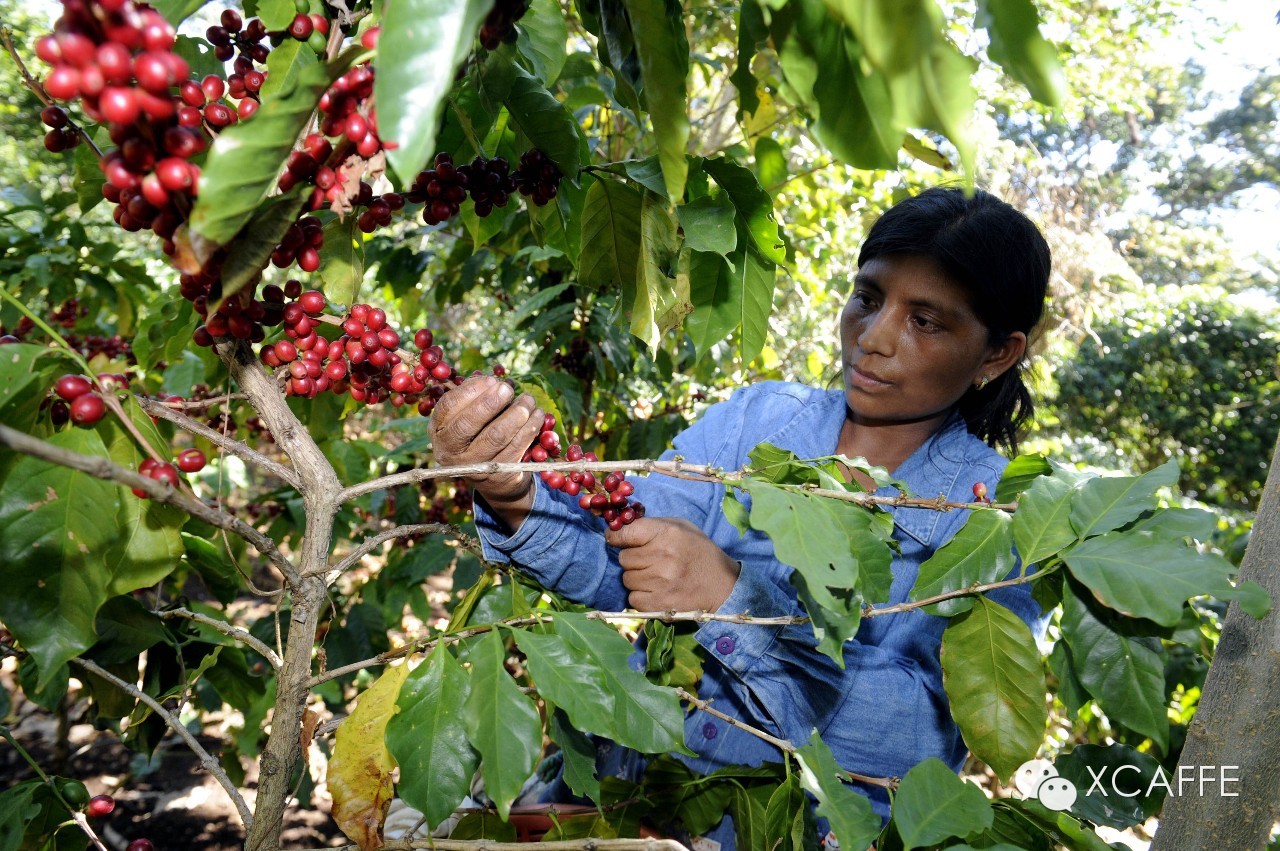
The majority of PNG coffee is processed using the washed (wet) method, which enhances clarity and acidity. Smallholder farms—many of them organic—focus on careful harvesting and fermentation, resulting in clean, vibrant cups. While most production is washed, a small portion is also sun-dried naturally. These natural-processed lots tend to show more fruity complexity and subtle fermentation notes compared to the more structured washed versions.
The washed process helps define PNG coffee’s signature traits: a sweet, balanced profile with notes of stone fruit, citrus, nuts, and mild spices. Even within a single origin, the range of flavors can vary considerably depending on processing choices.
How to Roast and Brew PNG Coffee
Roasters have a lot of flexibility with PNG beans. They can be roasted anywhere from a light City roast (ideal for highlighting acidity and floral notes) to a Full City roast (bringing out balanced spice and sweetness), and even darker for those seeking a fuller body. This versatility makes PNG a favorite for experimenting with different roast profiles.
For brewing, a medium roast PNG coffee shines in methods like pour-over or drip, where its bright acidity and layered fruitiness can truly express themselves. A typical FrontStreet example—FrontStreet Paradise Bird from the Sigri Estate—shows toast sweetness, nuttiness, and a distinctive spicy finish. The cup is well-balanced with vibrant acidity reminiscent of stone fruits. It’s a great example of how PNG’s washed processing and high-altitude growing translate into a cup that’s both familiar and uniquely island-born.
Roast level suggestions:
- City: highlights bright acidity and floral tones
- Full City: brings out spice and balance
- Darker roasts: develop deeper body and cocoa-like notes
Brew ratios and methods can be adjusted to taste, but a standard 1:16 brew with a medium-fine grind suits most PNG coffees well, whether brewed via pour-over, French press, or drip machine.
Frequently Asked Questions
What makes Papua New Guinea coffee different from other Indonesian coffees?
Papua New Guinea coffee is typically brighter, cleaner, and more acidic compared to the heavy, earthy, and spicy profiles common in Sumatran or Javanese coffees. PNG beans are mostly washed processed, grown at high altitudes, and often have fruity, floral, and nutty notes rather than the low-toned, herbal characteristics of its neighbors.
Where is Papua New Guinea coffee actually grown?
Although politically divided, most specialty coffee from Papua New Guinea comes from the eastern, independent nation of Papua New Guinea—not the Indonesian western half. The coffee grows in highland regions on volcanic soils, primarily between 1,200–2,500 meters altitude.
What coffee varieties are grown in Papua New Guinea?
The majority of PNG coffee is Typica, originally brought from Jamaica’s Blue Mountains. There are also Tanzanian Typica Arusha hybrids and some Indian Kent varieties, along with newer crosses. These varieties contribute to the coffee’s bright and balanced profile.
How should I roast Papua New Guinea coffee?
PNG coffee is versatile. It can be roasted light (City) to highlight acidity, medium (Full City) for balanced spice and sweetness, or dark for a fuller body. Each roast level reveals different aspects of its fruity, nutty, and floral character.
What brewing methods work best for PNG coffee?
Pour-over, drip, and French press are excellent for PNG beans. A medium roast brings out the best with a balanced brew ratio (e.g., 1:16) and medium-fine grind. The bright acidity and layered flavors shine in methods that highlight clarity and complexity.
Is Papua New Guinea coffee easy to find?
While not as common as Ethiopian or Colombian beans, PNG coffee is available from specialty roasters and is valued for its unique flavor profile and smooth body. Look for washed process lots for the most classic representation.
Recommended FrontStreet Coffee for Exploring PNG Flavor
Try FrontStreet Paradise Bird, a washed coffee from PNG’s Sigri Estate. It offers toast sweetness, nutty depth, and a spicy finish with bright acidity—showcasing the island’s signature balance. This lot highlights the Typica heritage and high-altitude terroir that make PNG coffee so unique. Freshly roasted within 5 days · Orders placed before 17:00 ship the same day · Next-day delivery across most of Guangdong Province.
FrontStreet Coffee is a long-established specialty coffee roaster in Guangzhou China, selling freshly roasted beans from its own farm in Yunnan as well as dozens of carefully selected single-origin beans from around the world for both pour-over and espresso. The products deliver consistently excellent quality and great value, with shipping within 24 hours. Guangzhou's FrontStreet Coffee shop is recommended by many coffee lovers, and the beans are now available online at the Tmall 。
Important Notice :
前街咖啡 FrontStreet Coffee has moved to new addredd:
FrontStreet Coffee Address: 315,Donghua East Road,GuangZhou
Tel:020 38364473