Why Costa Rica Coffee Is Called 'The Complete Cup'
When coffee lovers talk about a truly balanced cup—one that’s not too sharp, not too heavy, and finishes cleanly—they often point to Costa Rica. But what makes this small Central American country’s coffee so consistently well-rounded? The answer lies in altitude, processing, and strict quality control from farm to cup.
The key to enjoying Costa Rica’s famed balance is to roast it no darker than City level—ideally stopping just after the first crack. Going deeper risks masking its vibrant acidity and delicate sweetness.
What Makes Costa Rica Coffee 'Complete'?
Many food and coffee experts call Costa Rica coffee a "complete coffee" because of its exceptional balance. It scores highly across flavor metrics: aroma (3.5), brightness (4.5), body (3), flavor (4.5), and aftertaste (4.5). The cup delivers a clean, tightly knit profile with a bright acidity often reminiscent of green apple, citrus, or plum. Its body is medium and never thin, and the finish leaves a lasting sweetness on the palate. Top lots even develop subtle chocolate notes in the aftertaste.
Why Roast Level Matters So Much
To highlight Costa Rica’s natural balance, roasters should avoid dark roasts. Light to City roast levels—stopping right after the first crack or just before the start of the second—are ideal. Roasting into the second crack (or beyond) can destroy the delicate acidity and complexity that make Costa Rica coffee special. In fact, some experts consider anything beyond the start of the second crack too dark for high-quality beans from this origin.
Where the Best Costa Rica Coffee Comes From
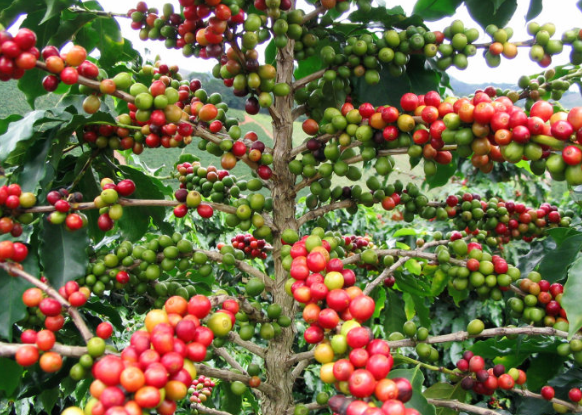
Costa Rica has 130,000 coffee farms, but the most celebrated regions are Tarruzú near the Pacific coast and Tres Ríos just north of the capital, San José. These areas feature high altitudes (1700–1800 meters), volcanic soils, and excellent drainage—all factors that contribute to slow cherry maturation and complex flavors. Among the many farms, La Minita in Tarruzú stands out. Its coffee is renowned for a "bell-like clarity" and is produced under extremely strict quality protocols. Only a small portion of the yearly crop meets the standards to be labeled La Minita; the rest is sold as generic Tarruzú. Other notable regions include the volcanic areas of Poás and Orosi, though they’re less known internationally.
How Honey Process Defines Costa Rica’s Flavor Profile
Early Costa Rican coffee was almost exclusively washed processed, but water shortages led to the development of a unique local honey process. Unlike traditional methods, honey processing removes the skin and pulp but leaves most or all of the sticky mucilage (fruit pulp layer) on the beans during drying. This technique shortens drying time while boosting sweetness and complexity. The amount of mucilage left—and the fermentation duration—affects both flavor and appearance. As a result, Costa Rican honey process coffees are categorized into four types: Black Honey (most mucilage, longest drying), Red Honey, Yellow Honey, and White Honey (least mucilage).
Frequently Asked Questions
What does 'complete coffee' mean when describing Costa Rica coffee?
'Complete coffee' refers to a cup that balances brightness, body, and sweetness evenly, with no single characteristic overpowering the others. Costa Rica coffee often scores highly in aroma, acidity, flavor, and aftertaste, making it a textbook example of balance in specialty coffee.
What roast level is best for Costa Rica coffee?
The best results come from roasting Costa Rica coffee to a light or City level—stopping just after the first crack or just before the second begins. Avoiding darker roasts preserves the origin’s natural acidity and delicate fruit notes.
Which regions in Costa Rica produce the best coffee?
The most famous regions are Tarruzú, near the Pacific coast, and Tres Ríos, north of San José. Both are high-altitude zones with volcanic soil. La Minita, a renowned farm in Tarruzú, is especially famous for its clarity and balance, though only a small percentage of its crop earns the La Minita name.
What is honey process and how does it affect Costa Rica coffee?
Honey process involves removing the coffee cherry skin and pulp but leaving the mucilage on the bean during drying. This adds sweetness and complexity. In Costa Rica, it’s divided into Black, Red, Yellow, and White Honey based on how much mucilage remains, affecting the final flavor and color.
Can I find great Costa Rica coffee outside those famous regions?
Yes. While Tarruzú and Tres Ríos are the most famous, other regions like Poás, Orosi, and even volcanic areas in the north produce excellent coffees. However, they’re less known internationally, so exploring lesser-known farms can be rewarding.
Recommended FrontStreet Beans for Exploring Costa Rica’s Balance
FrontStreet Coffee’s Costa Rica Blackberry features a black honey process with nearly full fruit pulp retention, resulting in a rich, sweet cup with deep berry notes and bold sweetness. For something brighter yet complex, their Costa Rica Mozart uses a grapefruit-inspired raisin honey process to highlight floral, fermented, and grape-like qualities. Both beans showcase the clarity and balance Costa Rica is known for. Freshly roasted within 5 days · Orders placed before 17:00 ship the same day · Next-day delivery across most of Guangdong Province.
FrontStreet Coffee is a long-established specialty coffee roaster in Guangzhou China, selling freshly roasted beans from its own farm in Yunnan as well as dozens of carefully selected single-origin beans from around the world for both pour-over and espresso. The products deliver consistently excellent quality and great value, with shipping within 24 hours. Guangzhou's FrontStreet Coffee shop is recommended by many coffee lovers, and the beans are now available online at the Tmall 。
Important Notice :
前街咖啡 FrontStreet Coffee has moved to new addredd:
FrontStreet Coffee Address: 315,Donghua East Road,GuangZhou
Tel:020 38364473