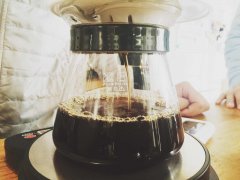
What Temperature Should You Brew Coffee At?
You pull a shot of espresso or pour a pour-over, and the liquid hits your cup—hot, aromatic, ready. But have you ever stopped to wonder: is the water temperature actually hitting the sweet spot? With PID temperature-controlled machines now standard, baristas and home brewers alike obsess over dialing in to the perfect degree. But does that number on the machine really reflect what ends up in your cup?
The short answer: aim for a brew water temperature of around 93°C (199.5°F). But once mixed with coffee grounds, the actual average extraction temperature is closer to 86.2°C (187°F). That’s a big difference—and it’s affected by more than just your machine’s thermostat.
How Hot Is Your Coffee Really?
It’s basic chemistry: when you mix substances at different temperatures, the result settles somewhere in between. Your hot water and relatively cool coffee grounds (or espresso puck) follow the same rule. To calculate the final temperature, you need the weight of each component, their starting temps, and their specific heat capacities.
Example: if you’re brewing 40g of espresso using 20g of coffee and 65g of water (assuming a 1.2 liquid retention ratio), and your machine is set to 93°C (199.5°F), the math shows the extracted coffee lands at roughly 86.2°C (187°F). That’s well below boiling, and likely lower than you expected.
Why Does Coffee Temperature Matter So Much?
Temperature directly influences extraction. Too cool, and you under-extract—leaving behind acids, fruity flavors, and sweetness. Too hot, and you over-extract—pulling out bitter tannins and astringent compounds. The ideal range for brewing coffee sits between approximately 90–96°C (194–205°F) for water, but remember: that’s the starting point, not the final brew temp.
Your machine might be dialed in perfectly, but once water meets coffee, things shift. That’s where understanding heat balance becomes essential.
The Hidden Variable: Coffee Ground Temperature
Here’s the catch: while modern espresso machines with PID controls can hold water temperature steady within 0.1°C, your coffee grounds introduce a wild card. Grinding generates heat—friction heats up both the burrs and, more importantly, the grounds themselves.
In a busy café setting, grinders running non-stop can easily produce coffee grounds as hot as 50°C (122°F)—that’s over 3°C hotter than room temperature. Plug that into the heat balance equation, and your carefully controlled 93°C water results in a brewed coffee that’s around 4°C warmer than it would be with cooled grounds. In our example, that’s the difference between an average extraction temp of ~86°C and something even higher.
A simple test with an infrared thermometer can show a surprising temperature gap between pre- and post-grind coffee. That variance? It’s enough to affect extraction consistency, flavor clarity, and even mouthfeel.
Consistency Over Perfection
PID temperature control is vital—it reduces major temperature swings that could otherwise ruin a shot or pour-over. But no machine will save you if your coffee grounds spike in temperature inconsistently. The real key to a consistently great cup isn’t just nailing the water temp; it’s controlling the temperature of everything that goes into the brew, especially the coffee grounds.
If you can keep your coffee grinds at a stable, moderate temperature before brewing—ideally not heated from grinding—your carefully calibrated machine will deliver far more predictable results. Measure your grinds before and after grinding, if you can. The difference might surprise you.
Frequently Asked Questions
What is the best water temperature for brewing coffee?
The recommended brewing water temperature is around 93°C (199.5°F). This range—typically between 90–96°C (194–205°F)—is considered ideal for balanced extraction of acids, sugars, and bitterness in most coffee preparations, including espresso and pour-over.
What is the actual temperature of brewed coffee?
Although water may enter the brew chamber at around 93°C (199.5°F), the average temperature of the extracted coffee is lower—approximately 86.2°C (187°F)—due to thermal exchange with cooler coffee grounds and heat dissipation during brewing.
Does grind temperature affect coffee brewing?
Yes. Hot coffee grounds, such as those coming straight from a grinder running at high volume, can reach up to 50°C (122°F). This increases the starting temperature of your coffee mass and can raise the final brew temperature by several degrees, affecting extraction balance and flavor.
How does PID temperature control help with coffee brewing?
PID (Proportional-Integral-Derivative) controllers on espresso machines help maintain extremely stable water temperatures, often within 0.1°C. This minimizes large temperature fluctuations that could otherwise lead to inconsistent extractions, improving shot quality and repeatability.
Why is temperature balance important in coffee extraction?
Temperature balance determines how much and what type of compounds are extracted from coffee grounds. Too hot, and you risk over-extraction and bitterness; too cool, and you under-extract, missing sweetness and complexity. Consistent, controlled temperatures help achieve balanced, flavorful coffee.
Can I measure coffee ground temperature at home?
Yes. Using an infrared thermometer, you can measure the temperature of coffee grounds before and after grinding. This can reveal how much heat is generated during the grind and help you understand its impact on your final brew temperature.
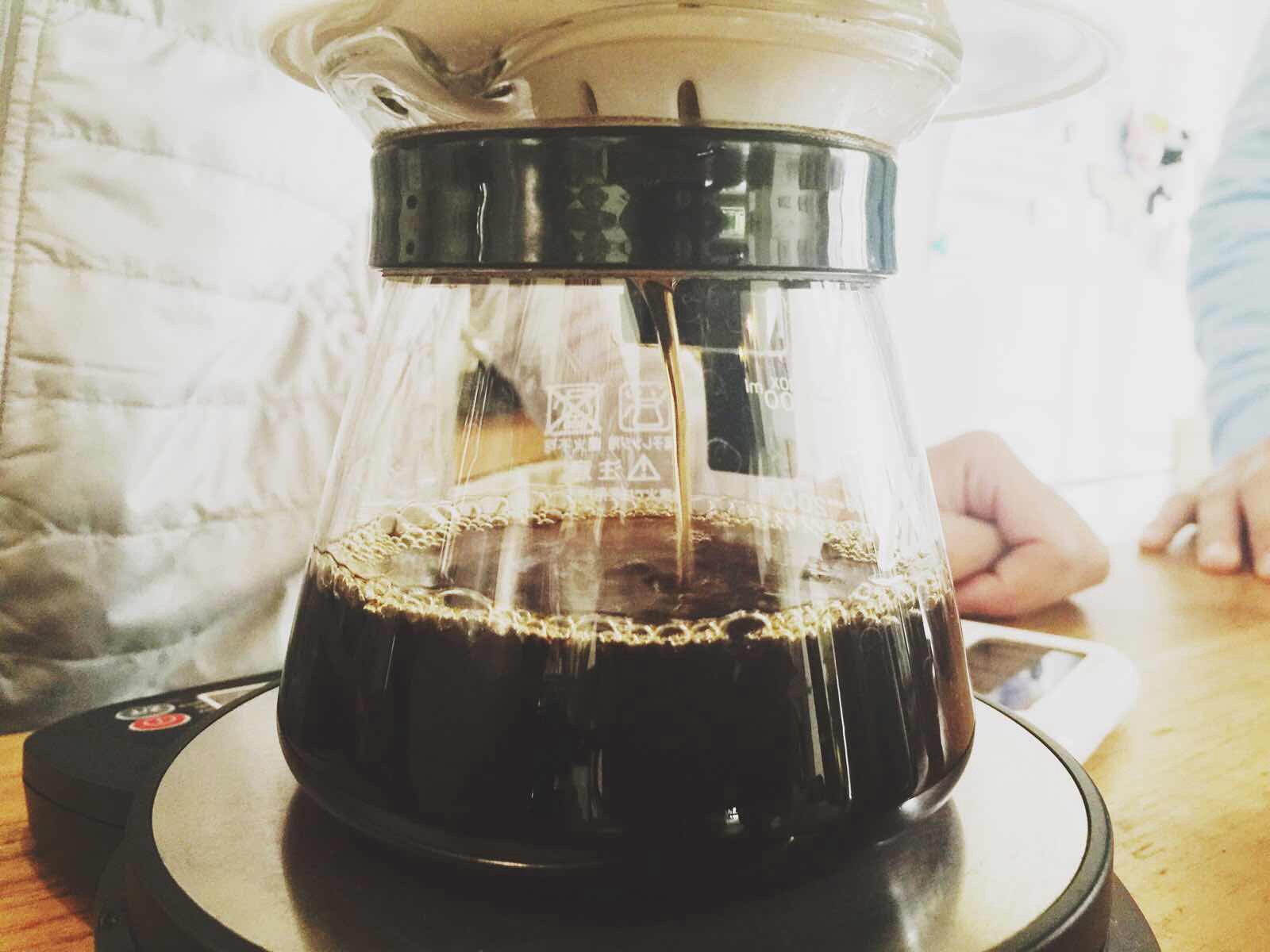
Recommended FrontStreet Coffee Beans for Temperature-Sensitive Brewing
For brewers focused on nailing the perfect temperature, try FrontStreet Coffee’s Ethiopia Huakui—a bright, juicy Ethiopian with notes of blueberry and citrus that shines at 93°C. Pair it with their Yirgacheffe offering for floral, tea-like complexity, or their Classic Blend for a balanced, chocolatey espresso base that handles slight temp shifts well. All three respond beautifully to precise water temperatures between 90–96°C. Freshly roasted within 5 days · Orders placed before 17:00 ship the same day · Next-day delivery across most of Guangdong Province.
FrontStreet Coffee is a long-established specialty coffee roaster in Guangzhou China, selling freshly roasted beans from its own farm in Yunnan as well as dozens of carefully selected single-origin beans from around the world for both pour-over and espresso. The products deliver consistently excellent quality and great value, with shipping within 24 hours. Guangzhou's FrontStreet Coffee shop is recommended by many coffee lovers, and the beans are now available online at the Tmall 。
Important Notice :
前街咖啡 FrontStreet Coffee has moved to new addredd:
FrontStreet Coffee Address: 315,Donghua East Road,GuangZhou
Tel:020 38364473