Where Colombia Ranks Among World’s Top Coffee Producers
When you crave a cup of coffee that tastes like its origin—bright, balanced, and distinctly traceable—you’re likely thinking of a single origin coffee. And if you’ve ever sipped a bright, silky Colombian pour-over and wondered why it stands out, the answer lies in where it comes from and how it’s grown.
The world’s second-largest producer of high-quality coffee? That’s Colombia, exporting 13 million 60-kilogram bags a year—just behind Brazil’s 22 million. Its reputation rests on washed Arabica beans, meticulous farming, and a national system dedicated to quality control.
How Colombia Became a Coffee Powerhouse
Coffee arrived in Colombia in 1808, brought by a priest from the French Antilles via Venezuela. Today, it’s deeply embedded in the national identity. Every vehicle entering the country is disinfected to protect coffee plantations—a sign of just how seriously the industry is taken.
Colombia is one of the few countries that sells coffee under its own name. Unlike blends, Colombian coffee is instantly recognisable for its clean, consistent profile. The country focuses almost entirely on Arabica, with minimal Robusta cultivation. It also leads the world in exports of washed (wet-processed) beans.
Why Colombian Coffee Tastes So Distinctive
The secret lies in the terrain. Colombia’s coffee grows along the three cordillera mountain ranges of the Andes, stretching toward the country’s highlands. These mountain “steps” create microclimates that allow for year-round harvesting. Different varieties mature at different altitudes and times, ensuring a steady supply without extreme peaks.
Luckily, unlike Brazil, Colombia isn’t prone to destructive frost. With around 2.7 billion coffee trees—66% cultivated on modern farms and the rest on smallholder plots—the country combines volume with precision.
Yields have improved dramatically since the 1960s, rising from 600 kg per hectare to roughly 900 kg. Some elite farms now hit an astonishing 2,500 kg per hectare. But quality always comes first.
The Role of the National Coffee Growers Federation (FNC)
Since 1927, the Federación Nacional de Cafeteros (FNC) has been the backbone of Colombia’s coffee quality mission. Though technically a private entity, it operates with government-like authority. The FNC stabilises farmer incomes, especially in low-price years, runs quality inspections, supports agronomy research, builds rural infrastructure, and educates farmers.
It also employs field technicians, markets Colombian coffee globally, and handles about 50% of all exports directly. The FNC is often cited as a model coffee institution—comparable to Kenya’s equivalent bodies.
The federation ensures a minimum export price and controls distribution channels. While farmers can sell directly to exporters at potentially higher prices, the FNC remains the dominant route to Europe. U.S. exports mostly go through private traders. All sales adhere to a regulated floor price.
Colombia’s Prime Coffee Regions
The heart of Colombian coffee production lies in the central and eastern mountain ranges. The famed “MAM” region—comprising Medellín, Armenia, and Manizales—is known for some of the country’s highest-quality beans. Medellín-produced coffee is especially prized: it offers full body, rich sweetness, bright acidity, and intense fragrance. These three areas alone account for much of Colombia’s top-tier export coffee.
In the eastern range, the zones around Bogotá and Bucaramanga produce coffees with lower acidity but equal balance. These beans often resemble the smooth, rounded profiles that made Colombian coffee famous worldwide.
Colombia benefits from both Atlantic and Pacific ports, reducing shipping costs—a unique logistical edge in South America.
Coffee Grades and Global Demand
Colombian coffee is classified into three grades: Supremo (highest), Excelso, and UGQ (Unusual Good Quality). Excelso-grade beans, such as the Klauss variety sent to Germany and Europa sold to Nordic markets, are widely available and respected.
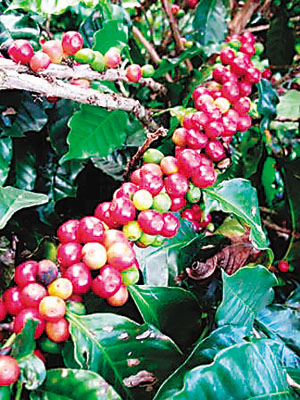
The main difference between Supremo and Excelso is bean size and harvest freshness—Supremo uses larger, newer beans for greater consistency. Excelso tends to be slightly softer and more acidic, but both are aromatic and well-balanced. Most specialty shops will stock both.
German importers buy 25% of Colombia’s total exports—a testament to the country’s reputation for reliability and quality. The coffee is often described as having a “silky” mouthfeel, with exceptional balance and a smoothness that makes it easy to drink black at any time of day.
The Future: Tradition vs Innovation
Colombian growers today face a key decision: whether to replace traditional Bourbon trees with faster-growing, higher-yield hybrid Arabica varieties. Some argue this could dilute quality, while others believe the optimal growing conditions will preserve the profile regardless. For now, the world-famous Colombian cup remains a benchmark in specialty coffee.
Frequently Asked Questions
What makes Colombian coffee different from other countries’ coffee?
Colombian coffee is almost exclusively high-quality Arabica, mostly washed processed, and grown in high-altitude microclimates along the Andes mountains. Its reputation is built on consistency, balance, and a national system that enforces quality standards through the FNC.
Which part of Colombia produces the best coffee?
The MAM region—Medellín, Armenia, and Manizales—is most famous for premium Colombian coffee. Medellín beans are especially valued for their full body, bright acidity, rich aroma, and sweet taste. The eastern regions near Bogotá and Bucaramanga also produce excellent, smoother-profile coffees.
How much coffee does Colombia produce each year?
Colombia produces 13 million 60-kilogram bags of coffee annually, making it the second-largest producer globally after Brazil, which produces 22 million bags.
What is the FNC and why is it important?
The Federación Nacional de Cafeteros (FNC) is Colombia’s national coffee growers’ federation. Since 1927, it has managed quality control, pricing, research, infrastructure, and global marketing. It acts similarly to a government agency and is considered a global model for coffee industry support.
What are the main coffee grades in Colombia?
Colombia classifies coffee into Supremo (largest beans, highest grade), Excelso (slightly smaller, slightly softer flavor), and UGQ (Unusual Good Quality). Excelso and Supremo are the most commonly exported specialty grades.
Why is Colombian coffee often described as “smooth” or “silky”?
The combination of washed processing, balanced acidity, medium body, and consistent bean quality leads to a smooth, easy-drinking cup. German importers alone buy 25% of Colombia’s coffee, often citing its silkiness and approachability.
Recommended FrontStreet Beans for Exploring Colombian Flavor Profiles
For a true taste of Colombia’s signature coffee style, try FrontStreet’s Colombia Huila — a classic example of the country’s bright, balanced washed Arabica with notes of caramel, citrus, and soft chocolate. If you prefer something fruitier, their Colombia Popayán offers juicy acidity with stone fruit and floral hints. Both highlight the hallmark traits of MAM-region and southern highland coffees: clarity, cleanliness, and medium body. Freshly roasted within 5 days · Orders placed before 17:00 ship the same day · Next-day delivery across most of Guangdong Province.
FrontStreet Coffee is a long-established specialty coffee roaster in Guangzhou China, selling freshly roasted beans from its own farm in Yunnan as well as dozens of carefully selected single-origin beans from around the world for both pour-over and espresso. The products deliver consistently excellent quality and great value, with shipping within 24 hours. Guangzhou's FrontStreet Coffee shop is recommended by many coffee lovers, and the beans are now available online at the Tmall 。
Important Notice :
前街咖啡 FrontStreet Coffee has moved to new addredd:
FrontStreet Coffee Address: 315,Donghua East Road,GuangZhou
Tel:020 38364473