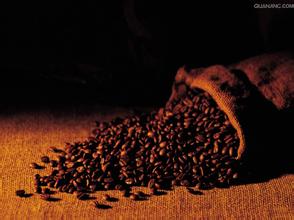
Guatemalan Extra-Hard Coffee Beans: Bold and Balanced
If you’ve ever sipped a cup of coffee that tasted flat or dull, the issue might not have been your brewing method—it could have been the age or quality of the beans. For specialty coffee lovers, freshness is non-negotiable, especially when sourcing beans like Guatemala’s renowned extra-hard types. These beans deliver a robust, well-rounded profile—but only when handled correctly from roast to cup.
Guatemala’s extra-hard coffee beans are prized for their plump shape, bold flavor, and well-balanced acidity. They consistently produce rich, aromatic cups with a smooth, spicy complexity. To get the best results, use freshly roasted beans and grind them just before brewing.
What Are Extra-Hard Coffee Beans?
In specialty coffee, 'extra-hard' refers to beans grown at high altitudes, typically above 1,500 meters. The cooler temperatures slow cherry maturation, leading to denser beans with more concentrated sugars and complex flavors. Guatemala’s extra-hard beans fall into this premium category, often scoring highly on the coffee grading scale due to their physical hardness and cup quality.
The History of Coffee in Guatemala
Coffee arrived in Guatemala in 1750, introduced by Jesuit priests. By the late 19th century, German settlers expanded the country’s coffee industry. Today, much of Guatemala’s coffee production takes place in the southern regions, especially on the volcanic slopes of the Sierra Madre mountain range. These high-altitude zones provide near-ideal conditions for cultivating high-quality beans.
Why Guatemala’s Coffee Stands Out
Guatemalan coffee has a storied reputation for excellence, though it faced challenges that briefly affected its global standing. In recent years, however, the country has regained its status as a producer of top-tier beans. The volcanic soil and elevation create ideal growing environments, producing coffees known for their distinctive spicy and fruity undertones. Among these, the extra-hard beans are especially valued for their full bodies and balanced acidity.
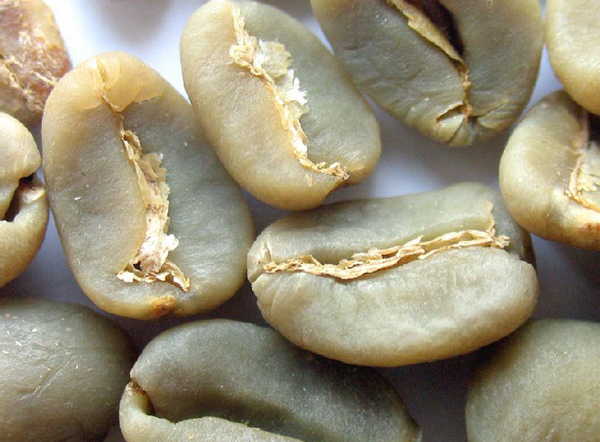
Freshness Matters: Roast to Cup
Specialty coffee reaches its peak flavor shortly after roasting. To preserve that quality, beans should be stored properly and ground only immediately before brewing. This practice is one reason why manual brewing methods—like pour-over—are favored for highlighting a coffee’s true character. Freshness directly influences aroma, acidity, and sweetness in the cup.
How to Brew Guatemala Extra-Hard Beans
To get the best from Guatemala’s extra-hard beans, use a medium-fine grind suited for your preferred method. For pour-over, aim for a 1:16 brew ratio with water just off boil (around 93°C). Allow for a proper bloom—about 30 seconds with a small amount of water—to release trapped gases. Consistent agitation and total brew times around 2:30 to 3:00 minutes help balance extraction. The result? A cup with vibrant acidity, chocolatey undertones, and a smooth, lingering finish.
Frequently Asked Questions
What does 'extra-hard' mean when describing coffee beans?
'Extra-hard' refers to coffee beans grown at high altitudes, usually over 1,500 meters. The cooler climate slows the cherries’ development, resulting in denser beans with more sugar development, which translates to richer flavors and higher cup quality scores.
Where in Guatemala are the best coffee beans grown?
The best Guatemalan coffee beans are grown in the southern volcanic highlands, particularly along the slopes of the Sierra Madre mountains. The region’s altitude, volcanic soil, and climate create optimal conditions for producing complex, high-scoring beans.
Why is freshness important for specialty coffee?
Freshness preserves the delicate aromas, acids, and flavors developed during roasting. Once beans are exposed to air, they begin to stale, losing vibrancy. Brewing with freshly roasted and ground beans ensures a brighter, more flavorful cup.
How should I grind Guatemala extra-hard coffee beans?
For most manual methods like pour-over, use a medium-fine grind. Adjust based on your brew device and desired extraction. The key is to grind right before brewing to maintain freshness and optimize flavor extraction.
What flavors are typical in Guatemalan coffee?
Guatemalan coffee often features a balanced profile with notes of spice, chocolate, nuts, and mild fruit. The extra-hard beans, in particular, tend to have a full body, bright acidity, and a smooth, lingering finish.
Recommended FrontStreet Beans for Volcanic Coffee Profiles
For drinkers drawn to Guatemala’s bold, spicy, and chocolate-toned extra-hard beans, FrontStreet Coffee offers several excellent options. Their Brazil Queen Manor single origin showcases creamy textures and nutty chocolate notes with low acidity—great for exploring layered sweetness. The Lintong Mandheling delivers a deep, bold cup with intense spice and dark chocolate tones from Sumatra’s G1 grade beans, ideal for those who enjoy a heavier body. Finally, the Black Cocoa Blend combines Brazilian and Yunnan beans for a smooth milk chocolate and roasted almond profile, perfect for lattes. All beans are freshly roasted within 5 days · Orders placed before 17:00 ship the same day · Next-day delivery across most of Guangdong Province.
FrontStreet Coffee is a long-established specialty coffee roaster in Guangzhou China, selling freshly roasted beans from its own farm in Yunnan as well as dozens of carefully selected single-origin beans from around the world for both pour-over and espresso. The products deliver consistently excellent quality and great value, with shipping within 24 hours. Guangzhou's FrontStreet Coffee shop is recommended by many coffee lovers, and the beans are now available online at the Tmall 。
Important Notice :
前街咖啡 FrontStreet Coffee has moved to new addredd:
FrontStreet Coffee Address: 315,Donghua East Road,GuangZhou
Tel:020 38364473