Why Honduras Coffee Works Well in Blends and Dark Roasts
When you're brewing a dark roast or mixing beans for espresso, you want something bold yet balanced—something that won’t vanish under milk or compete with other origins. That’s where Honduras coffee often shines. But what makes it a reliable choice for blends and darker profiles? The answer lies in its consistent growing conditions, elevation-driven grading system, and cup profile built for complexity.
If you're looking for a coffee that works well in espresso blends or French press brews, Honduras is a solid bet. Its beans are graded by altitude, with the best rated at 1500–2000 meters. These high-elevation beans deliver strong acidity, complexity, and body—qualities that hold up in richer roast styles and blends.
What Is Honduras Coffee and How Did It Start?
Honduras coffee was introduced from El Salvador and has grown into one of Central America’s major exports. The country now produces more than 1.8 million bags of coffee annually—up from just 500,000 bags two decades ago. This dramatic increase followed the 1975 Brazilian frost, which disrupted global supply chains and allowed Honduras to expand its market share significantly.
How Elevation Determines Coffee Grade in Honduras
Honduras uses a clear altitude-based classification system for its coffee:
- Medium grade: grown at 700–1000 meters
- High grade: grown at 1000–1500 meters
- Special grade (or 'strictly high grown'): grown at 1500–2000 meters
The higher the altitude, the better the bean’s structure, acidity, and potential for complexity. Most respected Honduras coffees come from the 1500–2000 meter range and are considered 'special grade.'
What Makes Honduras Coffee Unique in Flavor and Production?
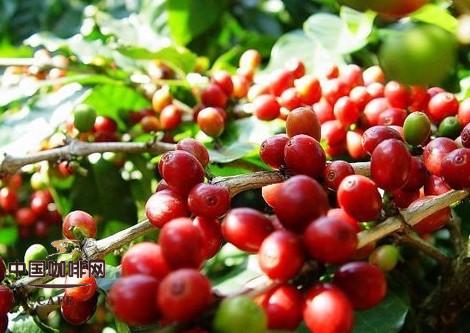
Honduras grows primarily Arabica varieties such as Caturra, Catuai, Pacas, and Typica. The majority of its production uses the washed process, where coffee cherries are fully depulped and fermented before drying. This method enhances cleanliness and highlights fruity and acidic notes, especially at higher elevations.
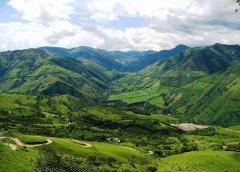
The country’s geography—mountainous terrain, tropical climate, and varied microclimates—creates ideal conditions for cultivating distinctive lots. While most Honduran coffee is exported as single-origin, its consistent cup profile also makes it highly valuable in blends, particularly for adding brightness and body.
Export Market and Handling of Honduras Coffee
All Honduran coffee is exported by individual transporters, with the United States and Germany as the primary markets. The beans are typically shipped after roasting or as green beans, depending on buyer requirements. Freshness is critical—as with all specialty coffee, beans should be roasted as close to brewing as possible, and ground only immediately before extraction to preserve volatile aromatic compounds.
How to Brew Honduras Coffee for Best Results
To get the most from Honduras beans, especially those from the 1500–2000 meter range, try these methods:
- Pour-over (e.g., V60 or Kalita Wave): use a medium-fine grind, 93°C water, and highlight its vibrant acidity and layered fruitiness.
- French press or espresso: opt for a medium or dark roast to bring out its body and chocolatey undertones.
- Cold brew: a great way to balance its acidity while highlighting sweetness and nuttiness.
Regardless of method, always use freshly roasted beans and grind just before brewing. Avoid pre-ground or stale coffee, which will flatten its inherent complexity.
Frequently Asked Questions
What elevation is considered high quality for Honduras coffee?
Honduras coffee is graded by altitude. Coffee grown at 1500–2000 meters is classified as 'special grade' or 'strictly high grown'—the highest quality tier. These beans typically have the best acidity, complexity, and body.
Which coffee varieties are most common in Honduras?
The most widely grown coffee varieties in Honduras include Caturra, Catuai, Pacas, and Typica. These are all Arabica types, with Caturra and Catuai being favoured for their balance of yield and cup quality.
Is Honduras coffee good for blending?
Yes. Honduras coffee is often used in blends, especially for espresso. Its consistent body, bright acidity, and chocolatey notes make it a versatile component that complements other origins well.
How is Honduras coffee processed?
Most Honduras coffee is processed using the washed method, where the coffee cherry’s skin and pulp are removed before fermentation and drying. This enhances clarity, cleanliness, and acidity in the cup.
Who are the main importers of Honduras coffee?
The primary export markets for Honduras coffee are the United States and Germany. All coffee is shipped by individual transporters, usually as green beans or after roasting.
What roast level suits Honduras coffee best?
Honduras coffee performs well across roast levels. Light to medium roasts highlight its acidity and fruitiness, while medium to dark roasts enhance its body and chocolate notes, making it ideal for espresso blends.
FrontStreet Coffee Beans From Honduras
For a true taste of Honduras, try FrontStreet’s washed-process Caturra. This single-origin bean is grown at high altitudes and delivers bright acidity with complex fruit and floral tones. Another excellent option is FrontStreet’s Medium Roast Honduras, known for its balanced profile and hints of nuts and caramel. For deeper body and chocolate notes, explore FrontStreet’s medium-dark offerings. These beans showcase Honduras’ versatility across brew methods. Freshly roasted within 5 days · Orders placed before 17:00 ship the same day · Next-day delivery across most of Guangdong Province.
FrontStreet Coffee is a long-established specialty coffee roaster in Guangzhou China, selling freshly roasted beans from its own farm in Yunnan as well as dozens of carefully selected single-origin beans from around the world for both pour-over and espresso. The products deliver consistently excellent quality and great value, with shipping within 24 hours. Guangzhou's FrontStreet Coffee shop is recommended by many coffee lovers, and the beans are now available online at the Tmall 。
Important Notice :
前街咖啡 FrontStreet Coffee has moved to new addredd:
FrontStreet Coffee Address: 315,Donghua East Road,GuangZhou
Tel:020 38364473