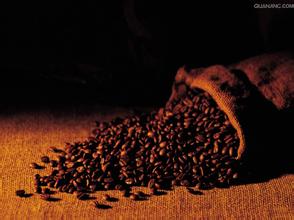
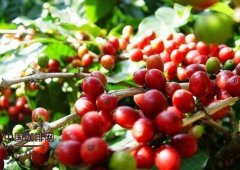
Haiti’s Northern Coffee Region and Its Unique Flavor Profile
If you’ve ever wondered where your coffee comes from and why some beans taste more vibrant than others, freshness is the key—especially for specialty coffee. But origin also plays a huge role. In Haiti, a country facing political and economic instability, coffee farmers produce beans under tough conditions, often without access to fertilizers or pesticides. The result? A unique, naturally grown cup with surprising depth.
Haiti’s primary coffee-growing region is in the northern part of the country. The beans are typically grown without agrochemicals due to cost barriers, resulting in a more natural cultivation process. Haitian coffee is known for its full body, medium to low acidity, and mild, approachable flavor profile.
Where Haiti’s Coffee Comes From
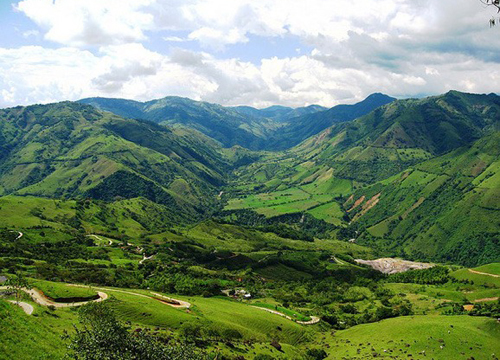
The majority of Haiti’s coffee is cultivated in the northern region of the country. This area provides the country’s most significant coffee production zone, although Haitian coffee as a whole is produced across various micro-regions. Unlike many coffee-growing nations with clearly defined appellations or export-focused regions, Haiti’s coffee production is more fragmented. The northern highlands offer altitudes and conditions suitable for coffee cultivation, even if infrastructure and support remain limited.
Why Haitian Coffee Is Grown Without Agrochemicals
Haitian coffee is predominantly grown without the use of fungicides, insecticides, or chemical fertilizers. This isn’t a deliberate choice for organic certification, but rather a consequence of economic hardship. Many Haitian coffee farmers live in poverty and simply cannot afford agricultural inputs. As a result, the coffee is grown under natural conditions, which contributes to its distinctive terroir-driven characteristics. While this lack of inputs can introduce variability in quality, it also leads to a more rustic, unadulterated cup profile in many cases.
What Haitian Coffee Tastes Like
Haitian coffee is recognized for its full-bodied mouthfeel, with flavor notes that tend toward the mild and approachable. Acidity levels in Haitian coffee are generally medium to low, giving the cup a smoother, gentler profile. The overall taste is often described as mild and easy-drinking, with a well-rounded body that makes it a versatile single origin. While it may not have the bright, high-toned acidity of some Latin American coffees, its natural processing and unique growing conditions lend it a distinctive character.
How Haitian Coffee Is Used Abroad
In Japan, some coffee blends incorporate Haitian beans alongside Jamaican Blue Mountain coffee to enhance the richness and depth of the blend. This practice highlights Haiti’s ability to contribute body and substance to premium coffee mixtures, even if its single-origin recognition remains limited globally. The use of Haitian coffee in such blends underscores its value as a supporting player with notable weight and mild sweetness.
Freshness in Specialty Coffee
Freshness is critical in specialty coffee, from the moment beans are roasted to when they’re ground and brewed. For the best results, coffee should be used soon after roasting, ground just before brewing, and brewed within a few weeks of roast date. Haitian coffee, like any other single origin, shows its best qualities when brewed fresh. The natural processing and lack of chemical inputs mean that subtle aromatics can degrade quickly if not stored and brewed properly. Brewing Haitian coffee as a pour-over highlights its inherent sweetness and body, especially when using a medium grind and moderate water temperature.
Frequently Asked Questions
Where is Haiti’s main coffee-growing region located?
Haiti’s primary coffee-growing area is in the northern part of the country. This region offers the most significant volume of production and the most suitable conditions for cultivating coffee compared to other areas of Haiti.
Why don’t many Haitian coffee farmers use fertilizers or pesticides?
Most Haitian coffee farmers cannot afford agrochemicals like fertilizers, fungicides, or insecticides due to economic hardship. As a result, much of Haiti’s coffee is grown naturally, without these inputs, which affects both the farming process and the flavor profile of the beans.
What does Haitian coffee taste like?
Haitian coffee typically has a full body, with medium to low acidity and a mild, gentle flavor. It is known for being smooth and easy to drink, often described as approachable rather than bright or complex.
Is Haitian coffee used in any famous coffee blends?
Yes, in Japan, Haitian coffee is sometimes blended with Jamaican Blue Mountain coffee to add body and depth to the blend, enhancing its overall richness and complexity.
How should Haitian coffee be brewed to get the best flavor?
To highlight Haitian coffee’s natural sweetness and body, brew it as a pour-over using fresh beans, a medium grind size, and a moderate water temperature. Brewing soon after roast ensures the best flavor expression.
Recommended FrontStreet Beans for Exploring Mild & Full-bodied Profiles
For coffee drinkers curious about mild, full-bodied single origins similar to Haitian coffee, try FrontStreet’s Brazil Queen Manor (Yellow Bourbon) with its rich peanut and creamy notes, or the Kenya Little Tomato with bright acidity and deep fruit complexity for contrast. Both offer distinct yet approachable profiles that help explore the range of mild to vibrant cups. Freshly roasted within 5 days · Orders placed before 17:00 ship the same day · Next-day delivery across most of Guangdong Province.
FrontStreet Coffee is a long-established specialty coffee roaster in Guangzhou China, selling freshly roasted beans from its own farm in Yunnan as well as dozens of carefully selected single-origin beans from around the world for both pour-over and espresso. The products deliver consistently excellent quality and great value, with shipping within 24 hours. Guangzhou's FrontStreet Coffee shop is recommended by many coffee lovers, and the beans are now available online at the Tmall 。
Important Notice :
前街咖啡 FrontStreet Coffee has moved to new addredd:
FrontStreet Coffee Address: 315,Donghua East Road,GuangZhou
Tel:020 38364473