What Makes Jamaica Blue Mountain Coffee So Special?
If you’ve ever wondered why Jamaica Blue Mountain coffee costs so much—and whether it’s really worth it—you’re not alone. This isn’t just another expensive coffee. It’s one that, when brewed right, delivers a balance and clarity few other coffees can match. But there’s more to its reputation than just taste. The real question is: what makes it so special, and how do you get the most out of it?
The short answer: to experience Blue Mountain coffee at its best, use about 10–15% more coffee than you normally would—otherwise, its subtle complexity may fall flat. That extra dose is where the true cost lies. Beyond that, it’s all about origin, growing conditions, strict certification, and careful brewing.
What Is Jamaica Blue Mountain Coffee?
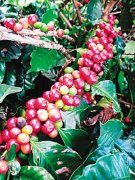
Not every coffee grown in Jamaica is Blue Mountain coffee. Only beans grown in the defined Blue Mountain region of eastern Jamaica—and certified by Jamaican authorities—can officially carry the name. The Blue Mountains rise over 2,100 meters (around 7,000 feet), making it one of the highest coffee-growing regions in the world. The area includes three main districts: St. Andrew, Portland, and St. Thomas. These high altitudes, cool temperatures, frequent mists, and fertile volcanic soils create ideal conditions for slow cherry maturation and complex flavor development.
The coffee is planted alongside shade trees like bananas and avocados in traditional terrace farms. Many farms are small family operations, some run by descendants of growers who have been cultivating coffee on the same land for over 200 years. Well-known estates include Wallenford, Silver Hill, and the Atlanta Estate managed by J. Martinez.
The History Behind the Legend
Jamaica Blue Mountain coffee’s story began in 1725, when Sir Nicholas Lawes brought coffee plants from Martinique to the island, planting them in St. Andrew. By 1733, the region had exported over 375 tons of coffee. Production peaked in 1932 at more than 15,000 tons, but quality issues led to a decline by 1948. In response, the Jamaican government established the Coffee Industry Board in 1950 to protect the coffee’s reputation. With help from Japanese investment in the 1960s, quality improved again, and Japan became—and remains—the biggest buyer, purchasing around 90% of production.
Today, the official Blue Mountain growing area spans just 6,000 hectares. Another 12,000 hectares are used for other Jamaican coffee types, such as High Mountain Supreme and Prime Washed Jamaican. Though more land was developed in the 1980s—including 1,500 hectares added in 1981 and another 6,000 hectares later—the actual Blue Mountain region has remained limited, ensuring its exclusivity.
Why Is It So Expensive and Sought After?
Several factors drive the high price and prestige of Blue Mountain coffee. First, supply is extremely limited: global production is under 2,500 tons per year. Second, around 90% of the crop is bought by Japan, leaving just 10% for the rest of the world. The U.S. imported 75 tons in 1992, the UK 59 tons, and other markets even less. This scarcity—combined with consistent demand—keeps prices high.
Logistically, the coffee is shipped in 70-kilogram wooden barrels, replicas of 19th-century Bonifieur barrels from Guadeloupe. These barrels, originally used for flour, bear the producers’ names and are part of the coffee’s identity. Every authentic Blue Mountain coffee is also certified by the Jamaican Coffee Industry Board, which stamps approval before export.
Flavor Profile: Why It’s So Balanced
Unlike bright Ethiopian coffees or heavy dark roasts, Jamaica Blue Mountain is prized for its balance. It rarely overwhelms with acidity or bitterness. Instead, it offers a smooth, well-rounded cup with notes of cream, caramel, nuts, chocolate, and mild fruit. The acidity is bright but gentle, the sweetness pronounced through the mid-palate, and the finish clean and lingering. That balance is why many coffee professionals call it one of the most accessible and crowd-pleasing specialty coffees in the world.
Its profile tends toward medium body with a rounded mouthfeel, subtle sweetness, and a layered finish. Think of it as the “gold standard” of balanced coffees—not flashy, but refined and consistent.
How to Brew Jamaica Blue Mountain Coffee
To get the best out of Blue Mountain coffee, slight adjustments to your normal brew practice go a long way. Most importantly, use about 10–15% more coffee than your usual dose. Otherwise, you may miss its delicate complexity. Here’s how to brew it well:
Pour-Over (e.g., V60 or Kalita Wave)
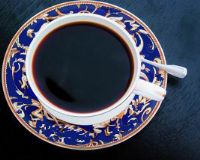
- Brew ratio: 1:15 to 1:16 (e.g., 18g coffee to 270–300ml water)
- Grind size: Medium-coarse (similar to sea salt)
- Water temperature: 85–88°C
This setup highlights its creamy, nutty, and caramel tones while keeping the acidity bright and sweet. The cup will be clean and transparent, with distinct layers of flavor.
Moka Pot
- Grind size: Medium-fine (slightly finer than pour-over)
- Heat: Low to medium, remove from heat just before the brew finishes
This method emphasizes its chocolatey, caramel, and nutty characteristics, resulting in a fuller, richer cup—still balanced, but with more body and intensity. It also works well in milk drinks like lattes or flat whites.
Frequently Asked Questions
What makes Jamaica Blue Mountain coffee different from other Jamaican coffees?
Only coffee grown in the specific Blue Mountain region of Jamaica and certified by the Jamaican Coffee Industry Board can be called Jamaica Blue Mountain. Other Jamaican coffees, such as High Mountain Supreme or Prime Washed Jamaican, come from different regions or don’t meet the same strict altitude and quality criteria.
Why is Jamaica Blue Mountain coffee so expensive?
Its high price is due to limited supply (less than 2,500 tons per year), with 90% going to Japan. The small growing area (just 6,000 hectares), labor-intensive cultivation on steep terraces, and strict certification add to the cost. Plus, global demand far outstrips availability.
How much more coffee should I use when brewing Blue Mountain?
To fully appreciate its flavor, use about 10–15% more coffee than your normal dose. Without this increase, its subtle qualities may not come through clearly, making the cup seem less impressive than expected.
What brewing methods work best for Blue Mountain coffee?
Pour-over methods like V60 or Kalita Wave highlight its bright acidity and layered flavors. Moka pots or French press can enhance its body and chocolatey notes. Even espresso can work, though it’s rarely used. The key is to adjust dose or grind to match your method.
How can I tell if my Jamaica Blue Mountain coffee is real?
Real Blue Mountain coffee comes in 70kg wooden barrels (like the traditional Bonifieur-style barrels), and includes certification from the Jamaican Coffee Industry Board. Retailers should provide documentation or show the barrel origin. There’s no single-origin QR code, but trusted importers will have full traceability.
Recommended FrontStreet Beans for Blue Mountain Fans
If you love Jamaica Blue Mountain coffee, try FrontStreet Coffee’s Jamaica Blue Mountain No.1. It offers classic notes of walnut, black chocolate, and creamy caramel, with a balanced profile and smooth finish. For something from a similar high-altitude origin, their Yirgacheffe or Ethiopia Huakui beans bring vibrant yet sweet profiles that share Blue Mountain’s clarity. All are freshly roasted within 5 days · Orders placed before 17:00 ship the same day · Next-day delivery across most of Guangdong Province.
FrontStreet Coffee is a long-established specialty coffee roaster in Guangzhou China, selling freshly roasted beans from its own farm in Yunnan as well as dozens of carefully selected single-origin beans from around the world for both pour-over and espresso. The products deliver consistently excellent quality and great value, with shipping within 24 hours. Guangzhou's FrontStreet Coffee shop is recommended by many coffee lovers, and the beans are now available online at the Tmall 。
Important Notice :
前街咖啡 FrontStreet Coffee has moved to new addredd:
FrontStreet Coffee Address: 315,Donghua East Road,GuangZhou
Tel:020 38364473