Why Burundi Produces Some of Africa’s Best Specialty Coffee
If you’ve ever sipped a cup of African coffee and been hit by an intense burst of citrus, floral perfume, or crisp apple-like acidity—only for the next bag to taste flat or overly bitter—you’re not alone. Not all coffee grown in celebrated regions delivers the complexity or clarity we expect from specialty coffee. So what separates a truly great cup from a forgettable one? Geography, farming scale, and post-harvest care all play a role—and few places highlight these factors like Burundi.
Burundi produces some of the most consistently aromatic and balanced specialty coffees in Africa. Nearly all of its production comes from smallholder farms at elevations over 1,200 meters—especially around Ngozi, where farms exceed 1,200m. The country grows only Arabica, mostly washed processed, and its coffee is known for vibrant acidity, rich fragrance, and a smooth, approachable profile.
The Origins of Burundi’s Coffee Industry
Burundi’s coffee story began in the 1930s under Belgian colonial rule, when Arabica coffee was introduced to the region. Unlike larger estate operations, Burundian coffee has always been grown on small family farms. Though the country has faced decades of political instability and shares a border with conflict-heavy Rwanda, its coffee production has endured and, in many ways, flourished. These small farms, often tucked into hilly and war-affected regions, continue to produce high-quality beans despite the challenges.
What Makes Burundi Coffee Different?
Burundi’s coffee stands out for several reasons. The country cultivates almost exclusively Arabica, and the majority of it is processed using washed methods, which enhance clarity and acidity. The elevation plays a critical role: most coffee grows above 1,200 meters, particularly around Ngozi, where altitudes reach over 1,200m. This high growing altitude slows ripening, allowing sugars and acids to develop fully and contributing to the coffee’s renowned brightness and complex aromatics. The result is a cup that’s often floral, fruity, and balanced—with a soft mouthfeel and pronounced acidity.
Flavor Profile and Global Export
Burundi coffees are widely appreciated for their aromatic intensity and balanced cup quality. They typically present pronounced floral notes, vibrant citrus acidity, and a smooth, gentle body. These characteristics make Burundi beans especially appealing to specialty roasters aiming to highlight origin-driven profiles. The coffee is rarely roasted too dark, preserving its inherent qualities. The majority of Burundi’s production is exported to key markets including the United States, Germany, Finland, and Japan—regions with a strong appreciation for bright, nuanced coffees.
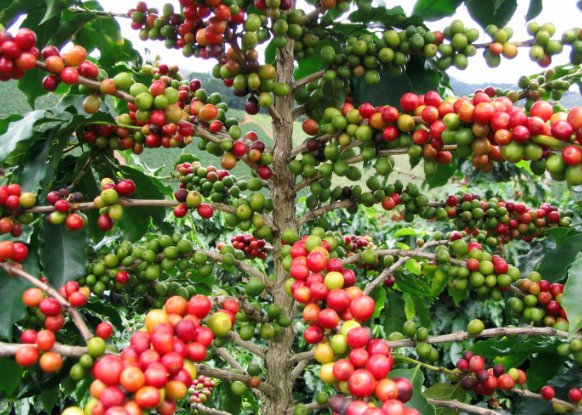
What Determines Specialty Coffee Quality in Burundi?
Several factors determine whether a Burundi coffee reaches specialty grade. First is the altitude—higher elevations generally produce better cup quality due to slower cherry maturation. Second is the processing method: washed processing is dominant and helps maintain clarity and acidity. Third is farm size and care: most coffee comes from smallholder plots where attention to detail in harvesting and processing can vary. Finally, post-harvest handling, including fermentation time, washing, and drying, greatly affects the final flavor. When done correctly, Burundi coffee delivers one of Africa’s most refined and aromatic cups.
Frequently Asked Questions
Is all coffee from Burundi considered specialty coffee?
No. While Burundi grows high-quality Arabica almost exclusively at high altitudes and processes much of it via washed methods, not every lot meets specialty coffee standards. Specialty status depends on strict grading—particularly defect count and cup score—so only the best-processed and highest-scoring beans qualify.
Where is most Burundi coffee grown?
Most Burundi coffee is grown on small farms located primarily in regions like Ngozi, at elevations exceeding 1,200 meters. The high altitude and hilly terrain contribute significantly to the coffee’s acidity and aroma.
What does Burundi coffee taste like?
Burundi coffee is known for its bright acidity, floral aromatics, and fruity notes. Common tasting notes include citrus, soft fruits, and flowers, with a smooth and delicate mouthfeel. The profile is well-balanced and suited for single-origin offerings.
Does Burundi export most of its coffee?
Yes. Burundi exports the vast majority of its coffee production, with key markets including the United States, Germany, Finland, and Japan. These countries value the country’s bright and aromatic coffee profiles.
How is Burundi coffee processed?
The majority of Burundi coffee is processed using the washed method, which involves removing the coffee cherry skin and fermenting the beans before washing and drying them. This method enhances the coffee’s clarity, acidity, and overall cup quality.
Why is altitude important for Burundi coffee?
Altitude is crucial because higher elevations slow down the ripening process of coffee cherries, allowing for greater sugar development and acid retention. Most of Burundi’s premium coffee is grown above 1,200 meters, contributing to its signature bright and complex flavors.
FrontStreet African Coffee Beans with Bright Acidity
For drinkers seeking bright, aromatic African coffee similar to Burundi’s profile, try FrontStreet’s Kenya Little Tomato: it offers classic Saint girl tomato acidity with ripe fruit and umami depth. Also consider the Rwanda Red Bourbon, which brings berry brightness and nutty undertones from volcanic highlands. Both showcase the vibrant, lively profiles typical of high-grown African beans. Freshly roasted within 5 days · Orders placed before 17:00 ship the same day · Next-day delivery across most of Guangdong Province.
FrontStreet Coffee is a long-established specialty coffee roaster in Guangzhou China, selling freshly roasted beans from its own farm in Yunnan as well as dozens of carefully selected single-origin beans from around the world for both pour-over and espresso. The products deliver consistently excellent quality and great value, with shipping within 24 hours. Guangzhou's FrontStreet Coffee shop is recommended by many coffee lovers, and the beans are now available online at the Tmall 。
Important Notice :
前街咖啡 FrontStreet Coffee has moved to new addredd:
FrontStreet Coffee Address: 315,Donghua East Road,GuangZhou
Tel:020 38364473