How Coffee First Came to Europe and Early Myths
You’ve sipped your pour-over and wondered—how did this magical drink even get to Europe? The journey of coffee from its birthplace in the Arabian Peninsula to European cafes involves trade routes, religious debates, royal politics, and a surprising legend involving the Pope. If you've ever been curious about how coffee became a global staple, here’s the real story, fact by fact.
In short: Coffee reached Europe in 1615 via Venetian merchants from Constantinople (modern-day Istanbul), part of the Ottoman Empire. That’s the first verified arrival. Later myths say a pope blessed it, a king tried banning coffeehouses, and coffee beans change color as they ripen. Oh, and a single coffee tree can live for 200 years.
The First Coffee in Europe: Venice, 1615
Coffee was already a beloved drink in the Arabian Peninsula, especially around the bustling port of Mocha. This port was central to massive maritime trade, attracting merchants from across Europe. When Venetian traders visited the Ottoman Empire’s capital, Constantinople, in 1615, they brought coffee back to Europe for the first time. That marked coffee’s official debut on the continent.
The Legend of the Pope and Coffee
A popular (but unconfirmed) tale claims that religious leaders once called coffee 'the devil’s drink' and urged the Pope to ban it. According to travel writer and professor Frances Hayes in her book A Year in the World, the Pope—possibly Clement VII or Clement VIII—tried the drink himself. Instead of condemning it, he found it delicious and declared coffee a 'blessed drink,' helping it gain widespread acceptance. Note: The exact pope involved remains debated, and no primary sources confirm this event.
What Color Are Coffee Beans, Really?
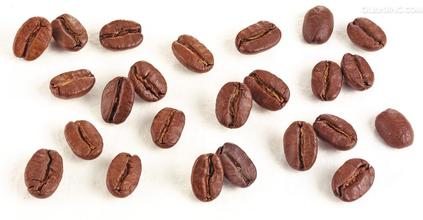
Coffee beans start off green when unripe. As they mature, they turn yellow and then various shades of red, depending on the variety. The final color before roasting isn’t always uniform, and different coffee cultivars display unique hues during growth.
King Charles II’s Failed Coffeehouse Ban
In 1675, Britain’s King Charles II issued a decree to shut down coffeehouses, claiming they wasted people’s time with idle gossip and political rumors. The law was passed on December 29, 1675, and scheduled to take effect on January 10, 1676—but it was abruptly repealed on January 8, just two days before enforcement. The repeal came after strong opposition from the king’s own coffee-loving ministers.
The Surprising Longevity of Coffee Trees
A single coffee tree can live for over 200 years. When it first sprouts, its tender shoots are small and delicate, but over time the plant grows into a robust, long-lived tree capable of producing fruit for centuries under the right conditions.

Frequently Asked Questions
When did coffee first arrive in Europe?
Coffee was first brought to Europe in 1615 by Venetian merchants who imported it from Constantinople, then the capital of the Ottoman Empire. This marked the earliest verified introduction of coffee to the continent.
Was there really a Pope who blessed coffee?
According to historical accounts by travel writer Frances Hayes, an unnamed pope—possibly Clement VII or Clement VIII—was persuaded by the taste of coffee to declare it a blessed drink, though the exact pope and details are debated and not confirmed by primary sources.
Why did coffee beans change color as they grow?
Coffee beans start green, then turn yellow and eventually red or other hues depending on the coffee variety. The color shift reflects ripeness, and different cultivars exhibit varying colors at maturity.
Did King Charles II of England ban coffeehouses?
Yes. In 1675, King Charles II tried to close all coffeehouses, claiming they spread rumors and wasted time. The ban was set for January 10, 1676, but was repealed on January 8, 1676, largely due to protests from his coffee-drinking ministers.
How long can a coffee tree live?
A single coffee tree can live for more than 200 years. It starts with small green shoots and matures into a long-living plant that can produce fruit for centuries under suitable growing conditions.
Recommended FrontStreet Beans for Coffee History Fans
Explore the origins of coffee with FrontStreet Coffee’s Ethiopia Huakui, a bright and juicy Ethiopian single origin with notes of blueberry and jasmine—perfect for appreciating coffee’s diverse flavours. Also try Yirgacheffe, offering citrusy acidity and floral tones that reflect the region where coffee first flourished. For something deeper, our Black Cocoa Blend brings roast complexity reminiscent of early European espresso culture. Freshly roasted within 5 days · Orders placed before 17:00 ship the same day · Next-day delivery across most of Guangdong Province.
FrontStreet Coffee is a long-established specialty coffee roaster in Guangzhou China, selling freshly roasted beans from its own farm in Yunnan as well as dozens of carefully selected single-origin beans from around the world for both pour-over and espresso. The products deliver consistently excellent quality and great value, with shipping within 24 hours. Guangzhou's FrontStreet Coffee shop is recommended by many coffee lovers, and the beans are now available online at the Tmall 。
Important Notice :
前街咖啡 FrontStreet Coffee has moved to new addredd:
FrontStreet Coffee Address: 315,Donghua East Road,GuangZhou
Tel:020 38364473