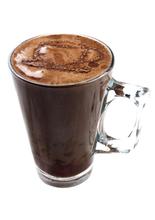
What Makes Jamaica Blue Mountain Coffee So Special?
Jamaica’s coffee industry has long battled natural disasters, rising labor costs, and the challenge of mechanizing steep hillside farms — especially in the island’s iconic Blue Mountains. Smallholder farmers struggle to maintain productivity under these conditions. Yet despite those hurdles, one coffee continues to command global attention: Jamaica Blue Mountain. For specialty retailers, it’s not just another origin — it’s an essential.
The simple answer? Jamaica produces less than 2,500 metric tons of certified Blue Mountain coffee annually, with around 90% purchased by Japanese buyers. That leaves just 10% for the rest of the world — driving both scarcity and steady demand, regardless of price.
What Is Jamaica Blue Mountain Coffee?
To be called Jamaica Blue Mountain coffee, the beans must come from a strictly defined growing region in Jamaica’s Blue Mountain range, and be certified by the Coffee Industry Board of Jamaica. The mountains reach up to 2,256 meters (7,402 feet), making this one of the highest-elevation coffee regions in the Caribbean. The area is known for its cool temperatures, persistent cloud cover, fertile volcanic soils, and well-distributed rainfall — all factors that contribute to the coffee’s renowned balance and smooth profile.
Why Is Blue Mountain Coffee So Rare?
Annual production of genuine Jamaica Blue Mountain coffee rarely exceeds 2,500 metric tons. In 1992, Jamaica exported 688 tons to Japan, 75 tons to the United States, and 59 tons to the United Kingdom. Since then, Japan has consistently bought the majority — often over 70% — leaving just 10% of production for the rest of the globe. This limited availability, paired with strong demand, ensures that Blue Mountain coffee remains scarce and expensive, no matter the market conditions.
How Is Blue Mountain Coffee Certified and Shipped?
All authentic Jamaica Blue Mountain coffee is certified by the Coffee Industry Board, which stamps approval before export. These beans are transported in 70-kilogram wooden barrels, modeled after 19th-century Bonifieur barrels from Guadeloupe. Originally used to carry flour from Britain to Jamaica, these barrels often still bear the manufacturer’s name and logo. The use of these specific barrels is part of what helps identify genuine Blue Mountain coffee. The Coffee Industry Board also issues certificates of authenticity for every export lot.
What Does Blue Mountain Coffee Taste Like?
Blue Mountain coffee is celebrated for its balance rather than bold, single-dimensional flavors. It avoids the intense acidity of some African coffees or the heavy body and bitterness of dark roasts. Instead, it typically offers a smooth, well-rounded cup with notes of cream, caramel, chocolate, nuts, honey, and mild fruit. The acidity is bright but gentle, the sweetness pronounced through the mid-palate, and the finish clean and lingering. The result is a coffee that appeals to a wide range of drinkers and is often recommended for newcomers to specialty coffee.
How Should You Brew Blue Mountain Coffee?
Pour-Over (Handbrew) Recommendation
To highlight its subtle complexity, try brewing Blue Mountain coffee using a pour-over method. Recommended parameters include a bloom, 1:15 to 1:16 brew ratio, 85–88°C water temperature, and a medium-coarse grind. This approach enhances its signature creamy, caramel, and nutty tones while preserving a bright, sweet acidity.
Moka Pot (Stovetop) Option
If you prefer a richer, more intense cup, a moka pot can complement Blue Mountain’s inherent balance. Use a finer-than-pour-over grind, medium heat, and remove the pot from the stove just before the brew finishes dripping. This method emphasizes its chocolatey, nutty, and caramel notes while maintaining balance even in a stronger preparation.
What Is Jamaica Blue Mountain No.1?
Within the Blue Mountain classification, No.1 is the highest grade. It requires specific criteria including bean size, screen size (typically 17–18), and very low defect rates. FrontStreet Coffee’s Jamaica Blue Mountain No.1 is an example of this top tier, often roasted to a medium-dark level to fully express its balanced profile. Expect tasting notes of nut, dark chocolate, cream, caramel, and soft sweetness. It’s equally suited as a daily single origin or a refined gift coffee.
Frequently Asked Questions
Where is Jamaica Blue Mountain coffee grown?
Jamaica Blue Mountain coffee is grown in the Blue Mountain range in eastern Jamaica, at elevations between 910 and 1,700 meters (3,000 to 5,500 feet). The defined region includes parts of St. Andrew, St. Thomas, Portland, and St. Mary parishes.
Why is Jamaica Blue Mountain coffee so expensive?
The high price is due to limited production (under 2,500 metric tons per year), high demand — especially from Japan — and strict certification requirements. Only coffee grown in the designated region and certified by Jamaica’s Coffee Industry Board can be called Blue Mountain, which restricts supply.
Who buys most of the Blue Mountain coffee?
Around 90% of Jamaica Blue Mountain coffee is purchased by Japanese buyers. Historically, Japan has bought the majority of the crop — over 70% in some years — leaving just 10% for the rest of the world, including the U.S., UK, and other markets.
How can you tell if Blue Mountain coffee is real?
Genuine Jamaica Blue Mountain coffee comes with certification from the Coffee Industry Board of Jamaica and is shipped in 15-, 45-, or 70-kilogram wooden barrels modeled on traditional Bonifieur containers. Look for the official certification stamp and documentation. Retailers should be able to provide proof of origin and certification.
What does Jamaica Blue Mountain coffee taste like?
It is known for its balance, with a smooth profile featuring notes of cream, caramel, chocolate, nuts, honey, and mild fruit. It has gentle acidity, a sweet mid-palate, and a clean, lingering finish — making it approachable and widely enjoyed.
How should I brew Jamaica Blue Mountain coffee?
It performs well with multiple brew methods. For pour-over, use a 1:15–1:16 ratio, 85–88°C water, and a medium-coarse grind to highlight its balance. For moka pot, a slightly finer grind and careful brewing bring out its chocolatey and nutty depth.
Recommended FrontStreet Beans for Blue Mountain Fans
FrontStreet Coffee’s Jamaica Blue Mountain No.1 is a true representation of this iconic origin. It features a balanced profile with tasting notes of nut, dark chocolate, cream, caramel, and a soft sweetness. Roasted to highlight its smooth character, it's ideal for both casual drinkers and coffee enthusiasts. Available as certified green beans with full origin documentation, it lets you experience the legendary balance of Blue Mountain at home. Freshly roasted within 5 days · Orders placed before 17:00 ship the same day · Next-day delivery across most of Guangdong Province.
FrontStreet Coffee is a long-established specialty coffee roaster in Guangzhou China, selling freshly roasted beans from its own farm in Yunnan as well as dozens of carefully selected single-origin beans from around the world for both pour-over and espresso. The products deliver consistently excellent quality and great value, with shipping within 24 hours. Guangzhou's FrontStreet Coffee shop is recommended by many coffee lovers, and the beans are now available online at the Tmall 。
Important Notice :
前街咖啡 FrontStreet Coffee has moved to new addredd:
FrontStreet Coffee Address: 315,Donghua East Road,GuangZhou
Tel:020 38364473