Ecuador Coffee: Flavor, Varieties & Where It’s Grown
If you’ve ever wondered why some specialty coffee enthusiasts rave about Ecuadorian beans — especially those harvested in early June — the answer lies in both geography and timing. This small South American country produces unique coffees with a crisp balance and distinctive aroma, but not all Ecuador coffee is the same. So what makes it special, where does it come from, and how should you roast or brew it? Let’s break it down.
Ecuador produces high-quality Arabica coffee, particularly from the early June harvest. The two main varieties are Galápagos and Gigante, known for large, dense beans. The best-rated beans are classified as No.1 or Extra Superior, with Galápagos coffee often ranked among the finest in flavor.
Where Is Coffee Grown in Ecuador?
Ecuador grows both Arabica and Robusta, but its best-known specialty offerings are Arabica. While Robusta production is rising due to shrinking Arabica farmland, the most acclaimed cups still come from the Andes, especially the Chanchamgo Valley. Other key regions include Loja and the Galápagos Islands.
Loja Region
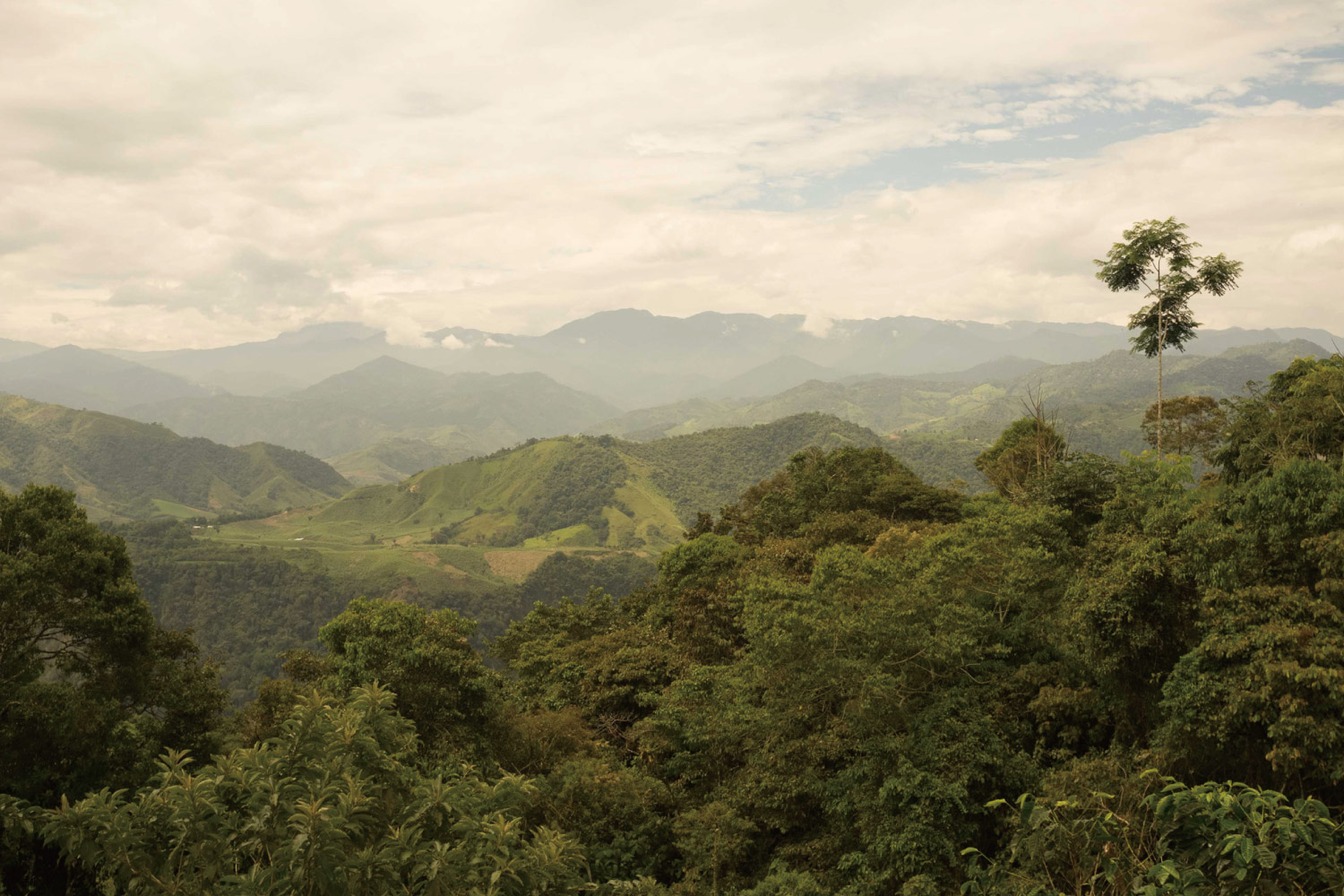
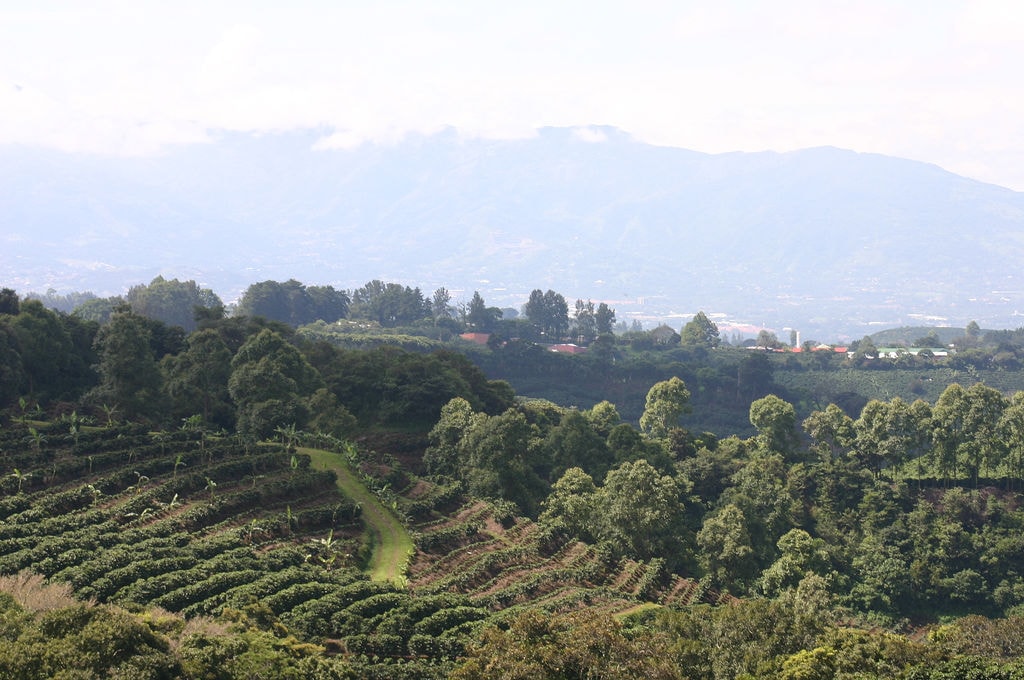
Situated in southern Ecuador near the Andes, Loja is one of the highest-altitude coffee-growing areas in the world, ranging from 1,450 to 2,000 metres above sea level. The region favours Typica cultivars, processes coffee via washed methods, and relies mostly on shaded, natural planting. The high elevation, variable climate, and rich soils create ideal conditions for slow maturation and complex cup profiles.
Galápagos Islands
The Galápagos, located on the equator in the Pacific Ocean, are a UNESCO-listed World Heritage site known for unique endemic species. Farming here is strictly regulated: chemical fertilizers, herbicides, pesticides, and other synthetic inputs are banned. Coffee is grown under organic shade with OCIA and Rainforest Alliance bird-friendly certifications. These factors contribute to a rich, full-bodied cup with floral and fruity sweetness — often compared to Jamaica Blue Mountain and Hawaiian Kona in quality.
The islands’ isolation and strict environmental laws mean that Galápagos coffee is rare, but highly regarded. The absence of chemicals and unique microclimates yield a cup that’s aromatic, balanced, and smooth, often described as among the best in the world.
What Are the Main Coffee Varieties in Ecuador?
Ecuador classifies its specialty Arabica beans primarily into two varieties: Galápagos and Gigante. Both are notable for their large bean size and heavier density, traits often associated with higher cup quality potential.
The Galápagos variety benefits from the islands’ pristine environment and organic practices. Gigante beans, meanwhile, are cultivated at altitude on the mainland. Both are prized for their physical qualities, which often translate into a more substantial mouthfeel and complex flavour development during roasting.
How Is Ecuadorian Coffee Classified by Quality?
Ecuador grades its coffee into two primary quality tiers:
- No.1 — High-quality beans meeting strict grading standards.
- Extra Superior — The highest classification, indicating premium cup potential.
These grades help buyers identify beans suited for single-origin offerings or high-end blends. Most top-tier Ecuador coffee comes from the early June harvest, which is especially valued for its balanced acidity and aromatic complexity.
What Does Ecuador Coffee Taste Like?
Ecuadorian coffee is known for a well-balanced acidity and a fragrant, clean profile. Flavour notes often include floral and fruity tones, with a smooth, lingering finish. The Galápagos variety, in particular, is celebrated for its delicate floral aromas and sweet fruitiness, with a body that rivals renowned origins like Jamaica Blue Mountain and Hawaiian Kona.
How Should You Roast and Brew Ecuador Coffee?
Ecuadorian coffee responds well to medium to dark roasts, making it versatile for blends or single-origin pour-overs. For the best results, aim for a medium-dark roast to enhance its inherent sweetness and body without masking its inherent clarity.
FrontStreet Coffee recommends brewing with water at 90°C to highlight its floral and fruity notes. A pour-over method such as V60 or Chemex works well to showcase its bright acidity and clean finish. For espresso or milk-based drinks, a slightly darker roast can add depth while preserving its inherent balance.
Frequently Asked Questions
What makes Galápagos coffee different from other Ecuadorian coffees?
Galápagos coffee is grown on the Galápagos Islands under strict organic regulations with no synthetic chemicals allowed. The unique microclimate and isolation result in a floral, fruity cup with a full body, often compared to Jamaica Blue Mountain and Hawaiian Kona. It’s considered among the highest-quality Ecuadorian coffees available.
What are the main coffee-growing regions in Ecuador?
The main regions include Loja in the Andes (1,450–2,000m), the Chanchamgo Valley, and the Galápagos Islands. Loja favours Typica and washed processing at high altitudes, while the Galápagos is known for organic, chemical-free cultivation under certification.
What coffee varieties are most common in Ecuador?
The two primary specialty varieties are Galápagos and Gigante. Both are Arabica beans with large size and dense beans. Galápagos is grown in the Galápagos Islands, while Gigante is cultivated at altitude on the mainland.
How is Ecuadorian coffee graded?
Ecuador grades its coffee as No.1 (high quality) or Extra Superior (premium quality). The grading helps identify beans suitable for single-origin or specialty blends, with the early June harvest being especially prized.
What’s the best way to roast and brew Ecuador coffee?
Medium to dark roasts work well to enhance body and sweetness. FrontStreet Coffee recommends brewing at 90°C, highlighting floral and fruity notes. Pour-over methods are ideal for clarity, while slightly darker roasts suit espresso or milk drinks.
When is Ecuador coffee typically harvested?
The most celebrated harvest is in early June, known for producing exceptionally balanced and aromatic coffee. This harvest is considered among the best in the country for cup quality.
Recommended FrontStreet Coffee for Ecuador Profiles
For Ecuador-like profiles, try FrontStreet Coffee’s washed Yirgacheffe for floral and citrus brightness, or their Natural Ethiopia Huakui for fruity sweetness and winey tones. Both share the crisp acidity and aromatic complexity typical of high-altitude Ecuador beans. Freshly roasted within 5 days · Orders placed before 17:00 ship the same day · Next-day delivery across most of Guangdong Province.
FrontStreet Coffee is a long-established specialty coffee roaster in Guangzhou China, selling freshly roasted beans from its own farm in Yunnan as well as dozens of carefully selected single-origin beans from around the world for both pour-over and espresso. The products deliver consistently excellent quality and great value, with shipping within 24 hours. Guangzhou's FrontStreet Coffee shop is recommended by many coffee lovers, and the beans are now available online at the Tmall 。
Important Notice :
前街咖啡 FrontStreet Coffee has moved to new addredd:
FrontStreet Coffee Address: 315,Donghua East Road,GuangZhou
Tel:020 38364473