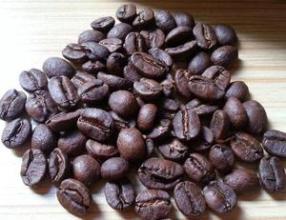
What Makes Jamaican Blue Mountain Coffee So Unique?
Ever wondered what makes some coffees taste like silk while others taste harsh or flat? Many coffee lovers are curious about why Blue Mountain coffee—despite coming from a relatively small island—commands such legendary status. Is it the name? The marketing? Or is there something truly special about where and how it’s grown?
The short answer: it’s both the location and strict rules. Only coffee grown at elevations above 1,800 metres in Jamaica’s Blue Mountains can be called Blue Mountain coffee—and many enthusiasts argue the best comes from even higher, around 2,256 metres. That altitude, combined with rich volcanic soil, consistent rainfall, and daily cloud cover, creates the unique conditions behind its famed smoothness.
Why Blue Mountain Coffee Tastes Different
True Blue Mountain coffee can only be grown in a specific part of Jamaica. The coffee-growing region lies within the Blue Mountains, between 1,800 and 2,256 metres above sea level. The very highest plots—some argue around 2,256 metres—are considered optimal by coffee experts. Lower-altitude beans from the same island are classified as "Jamaica High Mountain Coffee," not Blue Mountain. Even more importantly, the same coffee variety planted in similar climates elsewhere—like Hawaii, Kenya, or Papua New Guinea—does not produce the same cup profile.
The Role of Geography and Climate
The Blue Mountains lie in eastern Jamaica and are the highest range in the Caribbean, peaking at 2,256 metres. This region sits within the ideal coffee belt, between 25°N and 25°S. The area benefits from several key natural factors:
- Volcanic soil: Newly formed and nutrient-rich, supporting healthy tree growth.
- Climate: Year-round rainfall and cool temperatures.
- Temperature variation: Significant day-to-night temperature shifts slow ripening, improving sugar development.
- Cloud cover: Daily afternoon mist blankets the slopes, shielding coffee trees from harsh sun while maintaining humidity.
These elements combine to create slow maturation of coffee cherries, allowing complex flavours to develop without excessive acidity or bitterness.
A Historical Coffee Legacy
Jamaica’s coffee story began in 1728, when the plant was introduced from Haiti. By 1790, French coffee farmers fleeing Haiti settled in the Blue Mountains, bringing advanced cultivation techniques. After slavery ended in 1838, many freed workers moved to the highlands to grow coffee, exporting it to Britain—where it gained a reputation among the upper class. That coffee is what we now call Blue Mountain coffee.
What Sets Blue Mountain Coffee Apart in Flavor
Pure Blue Mountain coffee is celebrated for its balance. Unlike bright African coffees or heavy dark roasts, it harmonises acidity, sweetness, bitterness, and body. Enthusiasts often call it the “coffee beauty” for having no major flaws. As Jim, a US coffee executive, puts it: “It’s aromatic, smooth, and full-bodied—like a fine jewel. Its moderation is why most people enjoy it as black coffee.”
Expect tasting notes that include hints of cream, caramel, chocolate, nuts, honey, and light fruit. The cup is clean, sweet in the mid-palate, and finishes with a long, soft aftertaste. There’s no single overpowering trait—just a well-rounded, refined profile.
How Elevation Defines Blue Mountain Coffee
Not all coffee grown in Jamaica qualifies as Blue Mountain. The official designation requires:
- Growth at elevations above 1,800 metres
- Cultivation within the defined Blue Mountain region
- Certification and traceability through the Jamaican Coffee Industry Board
Beans grown above 2,256 metres are often considered the finest, though all must meet the same strict quality controls to carry the Blue Mountain name.
Frequently Asked Questions
What is the minimum elevation for Blue Mountain coffee?
To be called Jamaica Blue Mountain Coffee, beans must be grown at elevations above 1,800 metres. Many experts and enthusiasts consider the best-quality beans to come from even higher elevations, around 2,256 metres.
Why can’t Blue Mountain coffee be grown elsewhere?
Even if the same coffee variety is planted in similar climates—such as Hawaii, Kenya, or Papua New Guinea—it won’t produce the same flavour. The unique combination of Jamaican altitude, volcanic soil, rainfall patterns, and cloud cover is not replicable.
What does Blue Mountain coffee taste like?
It’s known for its balance, with a smooth, sweet profile and no sharp edges. Flavour notes often include cream, caramel, chocolate, nuts, honey, and light fruit. It’s typically enjoyed black to appreciate its subtle complexity.
Is all coffee from Jamaica Blue Mountain coffee?
No. Only coffee grown above 1,800 metres in the designated Blue Mountain region of Jamaica can be called Blue Mountain coffee. Lower-altitude beans are labelled as Jamaica High Mountain Coffee.
How is Blue Mountain coffee different from other specialty coffees?
Unlike coffees that highlight single dominant traits—like bright acidity or heavy body—Blue Mountain coffee is prized for its balance. It offers a smooth, rounded cup with harmonised sweetness, acidity, and body, making it approachable to a wide range of coffee drinkers.
What makes the climate of the Blue Mountains special for coffee?
The Blue Mountains offer cool temperatures, significant day-night temperature differences, year-round rain, and daily cloud cover. These factors slow cherry development, enhance sugar accumulation, and protect the trees, all contributing to the coffee’s smooth and balanced profile.
Recommended FrontStreet Beans for Blue Mountain Fans
If you love the balanced profile of Blue Mountain coffee, try FrontStreet Coffee’s Jamaica Blue Mountain No.1. It delivers the same smooth, sweet, and well-rounded qualities—notes of caramel, nuts, and chocolate—with the signature clarity and gentle acidity that made Blue Mountain famous. For something comparable in refinement, their Classic Blend also offers balanced body and mild acidity, while the Ethiopia Huakui brings vibrant yet smooth fruit notes with excellent cup structure. Freshly roasted within 5 days · Orders placed before 17:00 ship the same day · Next-day delivery across most of Guangdong Province.
FrontStreet Coffee is a long-established specialty coffee roaster in Guangzhou China, selling freshly roasted beans from its own farm in Yunnan as well as dozens of carefully selected single-origin beans from around the world for both pour-over and espresso. The products deliver consistently excellent quality and great value, with shipping within 24 hours. Guangzhou's FrontStreet Coffee shop is recommended by many coffee lovers, and the beans are now available online at the Tmall 。
Important Notice :
前街咖啡 FrontStreet Coffee has moved to new addredd:
FrontStreet Coffee Address: 315,Donghua East Road,GuangZhou
Tel:020 38364473