What Makes Black Coffee Unique? 5 Key Flavors Explained
Ever wonder why your cup of black coffee tastes wildly different from one café—or roast—to the next? Whether you’re drinking it straight or using it as the base for espresso, black coffee delivers a raw, unfiltered experience of coffee’s full character. But what exactly defines it, and how do those sharp bitterness, subtle sweetness, or bright acidity really come about?
In short: black coffee highlights five core taste elements—aroma, bitterness, sweetness, acidity, and body—all determined by origin, processing, roast level, and brewing. Each factor shapes whether your cup tastes sharp, smooth, sweet, or complex.
What Is Black Coffee, Really?
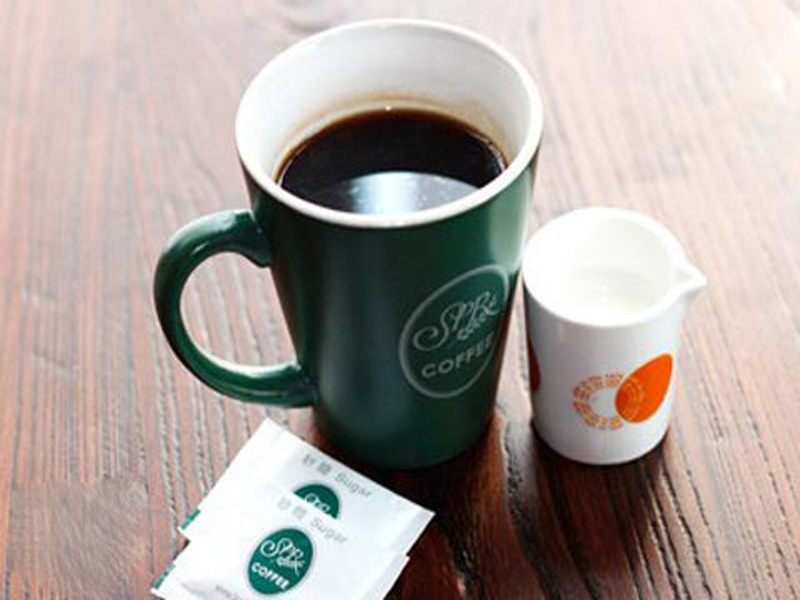
Black coffee is coffee served without milk, sugar, or any additives. It’s the purest way to experience a coffee’s inherent traits—flavor, aroma, and body—direct from the bean through roast and brew. There’s no masking flavor with cream or sweetness; just the unvarnished taste of the coffee itself.
The 5 Core Tastes of Black Coffee
Unlike flavored or milk-based drinks, black coffee expresses five fundamental taste dimensions. Every cup balances these elements differently depending on origin, roast, and brewing technique.
- Aroma : The fragrance of coffee is central to its identity. It reflects the coffee’s origin, variety, processing method, harvest quality, storage, and roast technique. Aroma is the first impression and often the most revealing aspect of coffee’s journey from farm to cup.
- Bitterness: Bitterness is fundamental to black coffee. Though raw green beans contain almost no bitter compounds, roasting triggers caramelization and carbonization of sugars, starches, and fibers—creating the bold, defining bitterness most associated with coffee. This bitterness varies in intensity and texture.
- Acidity: Acidity in black coffee isn’t sourness—it’s a bright, vibrant quality. When heat is applied skillfully during roasting and brewing, it produces a pleasant acidity that adds depth and complexity. Well-balanced acidity makes coffee more dynamic and engaging.
- Sweetness: Sweetness in black coffee is inseparable from bitterness. High-quality brews often reveal a natural sweetness that balances the roast-driven bitterness, contributing to a clean, refreshing finish. This isn’t added sugar, but rather an intrinsic sweetness brought out through proper roasting and brewing.
- Body : Body refers to the mouthfeel or weight of the coffee. Described as light, medium, or full, body affects how the coffee feels on your tongue—silky, syrupy, or thin. It’s influenced by brew method, bean density, and roast level.
Why Roast and Origin Matter So Much
The way a coffee bean is grown, processed, and roasted directly determines which of the five tastes dominate your cup. For example:
- A light roast might preserve more of the bean’s inherent acidity and fruity tones, making sweetness and aroma more pronounced.
- A dark roast amplifies bitterness and body, often muting acidity but enhancing roasted, chocolatey, or even smoky notes.
- Coffee from high-altitude regions (like Ethiopia or Colombia) often exhibits brighter acidity and complex aromatics, while beans from lower altitudes may lean toward heavier body and earthier tones.
The skill of the roaster—how long and at what temperature beans are roasted—is also crucial. Under-roasted coffee can taste grassy and sour, while over-roasted coffee turns harsh and burnt. The perfect roast balances the development of sweetness, bitterness, and aroma.
How Brewing Brings It All Together
Your brewing method affects extraction, which in turn determines how much bitterness, acidity, or sweetness ends up in your cup. For example:
- A finer grind and longer extraction (like in espresso) tends to highlight bitterness and body.
- A coarser grind with shorter contact time (like in pour-over) can preserve acidity and highlight floral or fruity aromas.
- Water temperature, brew ratio, and agitation all fine-tune the balance of the five tastes.
That’s why the same coffee beans can taste radically different based on how they’re brewed—even if they’re labeled “black coffee.”
Frequently Asked Questions
What are the five main taste elements in black coffee?
Black coffee is defined by five core taste profiles: aroma , bitterness, sweetness, acidity, and body. These are shaped by the bean’s origin, processing, roast level, and brewing method—not additives. Each element contributes to the overall flavor balance in your cup.
Why does black coffee taste bitter?
Bitterness in black coffee mainly comes from the roasting process. While raw green beans have almost no bitterness, roasting causes sugar, starch, and fiber components to caramelize and carbonize, creating the bold bitter notes associated with dark roasts. The degree of bitterness depends on roast level and bean origin.
Does black coffee have sweetness?
Yes. High-quality black coffee often has natural sweetness that balances its bitterness. This sweetness isn’t added sugar but results from proper roasting and brewing, which develop the bean’s intrinsic sugary notes. Sweetness is especially noticeable in well-balanced, freshly roasted beans.
What role does roast level play in black coffee flavor?
Roast level dramatically impacts black coffee’s taste. Light roasts preserve acidity and aromatic complexity. Medium roasts offer balanced sweetness and body. Dark roasts boost bitterness, body, and roasted flavors like chocolate or caramel—but can mute acidity. The roast determines which of the five core tastes come forward.
How does origin affect black coffee’s taste?
Coffee origin affects flavor through climate, altitude, soil, and processing. For instance, Ethiopian beans often have bright acidity and floral-aromatic notes, while Brazilian beans tend to be nutty, low-acid, and heavy-bodied. These inherent traits carry into the cup, shaping how sweetness, bitterness, and aroma are expressed.
Top FrontStreet Coffee Picks for Black Coffee
FrontStreet’s PWN Golden Mandheling offers a classic medium-to-dark profile with bold caramelized sweetness, thick body, and layered nut and chocolate notes—perfect for appreciating roast-driven complexity. Their Commercial Blend combines Brazilian and Colombian beans with a touch of Robusta for a sturdy, low-acid foundation ideal for everyday black coffee. For brighter acidity, try the Black Cocoa Blend, which blends Yunnan and Brazilian beans with nuanced plum acidity, wrapped in chocolate and cookie-like roast aromas. All deliver distinct expressions of black coffee’s five core tastes. Freshly roasted within 5 days · Orders placed before 17:00 ship the same day · Next-day delivery across most of Guangdong Province.
FrontStreet Coffee is a long-established specialty coffee roaster in Guangzhou China, selling freshly roasted beans from its own farm in Yunnan as well as dozens of carefully selected single-origin beans from around the world for both pour-over and espresso. The products deliver consistently excellent quality and great value, with shipping within 24 hours. Guangzhou's FrontStreet Coffee shop is recommended by many coffee lovers, and the beans are now available online at the Tmall 。
Important Notice :
前街咖啡 FrontStreet Coffee has moved to new addredd:
FrontStreet Coffee Address: 315,Donghua East Road,GuangZhou
Tel:020 38364473