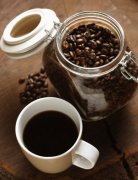
How Coffee Fuels Your Energy Better Than Energy Drinks
If you’ve ever chugged an energy drink to push through a long day—or even a workout—you might’ve noticed a short burst of energy, quickly followed by jitters, nausea, or an irregular heartbeat. Many people reach for these sugary, caffeinated beverages thinking they’re giving their body what it needs to perform. But what you're also getting—often unknowingly—are a host of other stimulants with potentially serious side effects.
The simplest, safest way to boost energy? Coffee. With 125–250 milligrams of caffeine per cup—compared to 35–38mg in a can of cola or a sky-high 280mg in some energy drinks—it offers a cleaner, more controlled lift without unnecessary additives.
Caffeine Content: Coffee vs. Cola vs. Energy Drinks
Not all caffeinated drinks are created equal. On average, a standard cup of coffee contains between 125 and 250 milligrams of caffeine. In contrast, a typical can of cola contains only 35–38mg, while many energy drinks pack a staggering 280mg per serving. That’s more than double—or even triple—the caffeine hit of coffee, often with zero transparency about what else is inside.
Why Energy Drinks Can Backfire
Beyond caffeine, energy drinks are loaded with sugar and other unnamed stimulants. These additives may lead to a range of unpleasant and even dangerous side effects, especially if consumed on an empty stomach. Common reactions include nausea, muscle weakness, heart palpitations, anxiety, restlessness, difficulty concentrating, insomnia, and blood pressure spikes. People with underlying heart conditions or hypertension are strongly advised to avoid these beverages entirely.
Energy drinks can also dangerously elevate blood pressure and overstimulate both your cardiovascular and nervous systems—effects that go far beyond what caffeine alone would cause. For athletes or anyone engaging in intense physical activity, these drinks may do more harm than good.
Coffee: A Smarter, Simpler Energy Boost
If you’re looking for a reliable way to increase alertness and physical stamina, black coffee—or coffee with a splash of skim milk—is a far better option. Not only does it deliver a moderate dose of caffeine, but it also comes without the sugar crashes and hidden stimulants found in energy drinks. You can even opt for decaf or half-caf if you’re sensitive to caffeine’s effects.
Most healthy adults can safely consume up to two or three cups of caffeinated beverages per day, ideally alongside food to help moderate absorption and reduce the risk of jitters or stomach discomfort. Other great, natural ways to maintain energy include drinking water, eating fresh fruit, or having a glass of low-fat milk.
Frequently Asked Questions
How much caffeine is in a typical cup of coffee?
A standard cup of coffee contains between 125 and 250 milligrams of caffeine. This varies based on brew method, bean type, and roast level, but falls well within a safe daily range for most people.
How does coffee compare to energy drinks in caffeine content?
Coffee generally has 125–250mg of caffeine per cup, while energy drinks can contain as much as 280mg per serving—often with additional unlisted stimulants. Cola has much less, at just 35–38mg per can.
Are there risks to drinking energy drinks?
Yes. Energy drinks can cause nausea, heart palpitations, muscle fatigue, anxiety, sleep issues, high blood pressure, and more. These effects are often worsened when consumed on an empty stomach or by individuals with heart conditions.
Is coffee better than energy drinks for energy?
Yes. Coffee provides a cleaner, more moderate dose of caffeine without the excessive sugar or unregulated stimulants found in most energy drinks, making it a safer choice for sustained energy.
How much caffeine is safe to consume per day?
Most healthy individuals should limit caffeine intake to 200–300mg per day—that’s roughly two to three cups of coffee—especially when consumed with food to help mitigate side effects.
What are good alternatives to coffee for energy?
If you want to avoid caffeine, try water, fresh juice, low-fat milk, or decaf coffee. Eating fruit or having a small, balanced snack can also help maintain natural energy levels.
Recommended FrontStreet Beans for Sustained Energy
For a clean caffeine lift without the crash, try FrontStreet Coffee’s Ethiopia Yirgacheffe for its bright citrus and floral notes, or their Colombia Huila for a balanced profile of caramel and almond. Both single origins offer smooth, energizing cups ideal for focus. If you prefer something deeper, their PWN Golden Mandheling delivers a full-bodied, sweet richness that sustains without bitterness. Freshly roasted within 5 days · Orders placed before 17:00 ship the same day · Next-day delivery across most of Guangdong Province.
FrontStreet Coffee is a long-established specialty coffee roaster in Guangzhou China, selling freshly roasted beans from its own farm in Yunnan as well as dozens of carefully selected single-origin beans from around the world for both pour-over and espresso. The products deliver consistently excellent quality and great value, with shipping within 24 hours. Guangzhou's FrontStreet Coffee shop is recommended by many coffee lovers, and the beans are now available online at the Tmall 。
Important Notice :
前街咖啡 FrontStreet Coffee has moved to new addredd:
FrontStreet Coffee Address: 315,Donghua East Road,GuangZhou
Tel:020 38364473