How to Make Classic Specialty Coffee Drinks from Around the World
If you’ve ever wondered how to recreate the rich, layered flavors of a classic Mocha or the theatrical presentation of Turkish coffee at home, you’re not alone. These globally loved drinks aren’t just about caffeine—they’re cultural experiences defined by precise techniques, unique ingredients, and historical flair. Here’s how to make them the right way.
To make authentic versions of world-famous coffee drinks, follow exact recipes: use 20ml chocolate syrup for Mocha, 10g brown sugar and a pinch of salt for Indian coffee, and three boilings for Turkish coffee. Each drink has specific ratios, temperatures, and layering methods that define its signature taste and texture.

Mocha and Mocha Mint: Chocolate and Coffee Classics
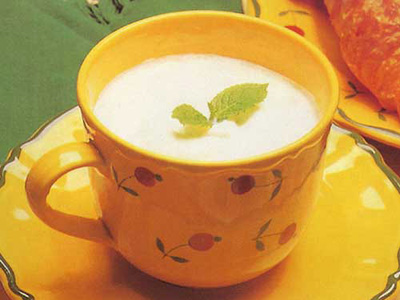
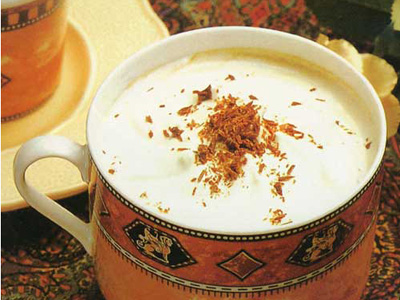
The Mocha coffee delivers a bold New York-style flavor in a small cup. Start with 20ml of chocolate syrup and a shot of strong dark-roast coffee. Stir well, then float a tablespoon of cream on top. Garnish with shaved chocolate and a few cinnamon sticks. For Mocha Mint, layer hot coffee over cold whipped cream without mixing. Add 20g chopped chocolate, a teaspoon of white mint, a tablespoon of cream, shaved chocolate, and finish with a mint leaf. The contrast of temperatures and flavors creates a refreshing yet indulgent drink.
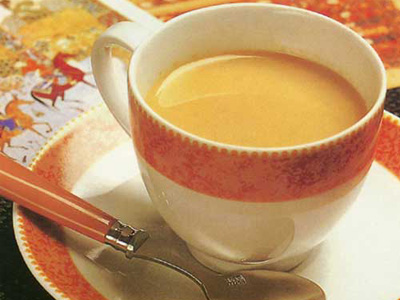
Indian and Turkish Coffee: Spiced and Symbolic Brews
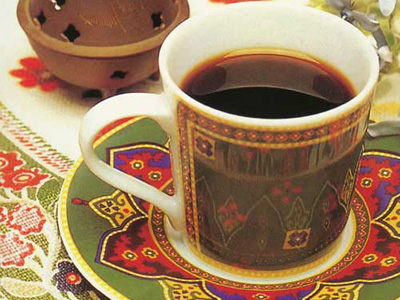
Indian coffee gets its distinct character from a pinch of salt, which enhances the milk’s sweetness. Heat milk until nearly boiling, then add dark-roast coffee and 10g of brown sugar along with a pinch of salt. Stir well. Turkish coffee, meanwhile, is deeply tied to fortune-telling—drinkers interpret the coffee grounds left in the cup. To prepare it, mix finely ground dark roast with spices like cinnamon, then simmer the mixture three times in water without filtering. Pour the clear liquid into cups and add orange juice and honey to taste. Both drinks carry cultural weight beyond their flavor profiles.
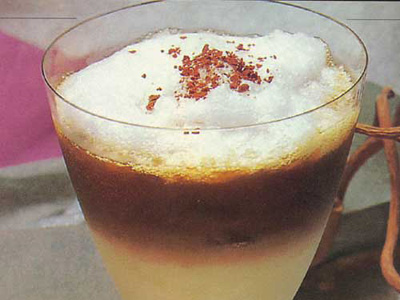
Cold and Creamy: Layered and Frozen Coffee Drinks
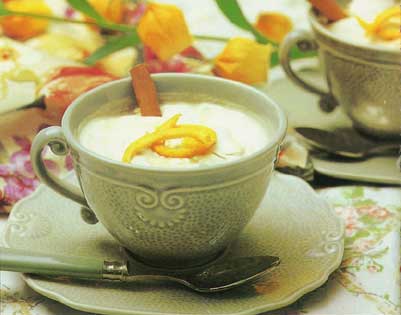
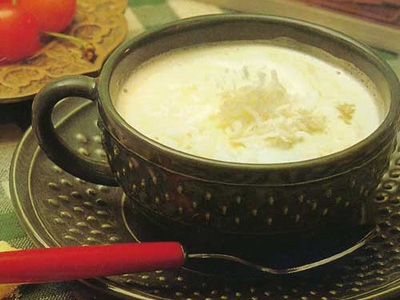
Iced drinks can be just as complex. For Frozen Cream Block Coffee, use pre-chilled coffee ice cubes. Pour sweetened boiled milk over them, then slowly add chilled coffee so it floats atop the milk, creating distinct layers. Top with a sprinkle of cinnamon. Another rich option is Coconut Cream Coffee: add two drops of coconut essence to a cup, pour in 60ml of hot dark roast coffee and boiled milk, float a tablespoon of cream, and garnish with toasted coconut flakes. These drinks highlight texture and temperature contrast.
Cappuccino Variants and Regional Styles
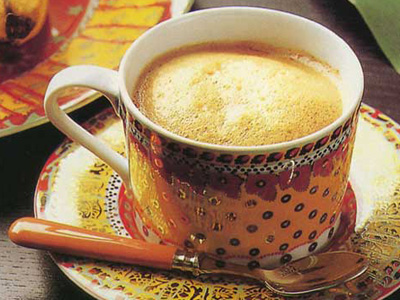
The Cappuccino, named for its resemblance to a monk’s hood, is served with two teaspoons of sugar, a tablespoon of cream, and a splash of lemon or orange juice. A cinnamon stick replaces the spoon for stirring. A regional favorite, Neapolitan coffee, is a strong, dark brew served in a handled cup with a slice of lemon—meant to be drunk quickly and black. Meanwhile, the Russian-inspired Hot Mocha Java combines dark roast, melted chocolate, cocoa, egg yolk, a touch of milk, and sugar, topped with cream and shaved chocolate. For a tropical twist, (Coconut Cream Coffee) emphasizes coconut aroma with essence and flakes.

Frequently Asked Questions
What’s the correct way to make traditional Mocha coffee?
Combine 20ml of chocolate syrup with a shot of strong dark-roast coffee, stir, then float 1 tablespoon of cream on top. Garnish with shaved chocolate and a few cinnamon sticks.
How is Turkish coffee traditionally prepared and served?
Turkish coffee is made by simmering finely ground dark roast coffee with spices like cinnamon in water three times without filtering. It’s served unfiltered, allowing the grounds to settle. Fortune-telling from the grounds is a common practice.
What’s the trick to making Indian coffee taste sweet despite the salt?
A pinch of salt is added to heated milk along with dark roast coffee and 10g of brown sugar. The salt enhances the milk’s natural sweetness, balancing the bitterness.
How do you achieve the layered effect in Frozen Cream Block Coffee?
Pour sweetened boiled milk over coffee ice cubes, then slowly pour chilled coffee on top so it floats and forms a separate layer above the milk. Add cinnamon on top of the milk foam.
Why is a pinch of salt used in some regional coffee recipes?
In Indian coffee, salt is used to amplify the perceived sweetness of the milk and balance the coffee’s bitterness, enhancing overall flavor.
Recommended FrontStreet Beans for Global Coffee Recipes
For these classic coffee recipes, try FrontStreet Coffee’s Ethiopia Humbera for bright, fruity layers in mochas; their Jamaica Blue Mountain No.1 brings mild sweetness and complexity to Turkish-style brews; and the PWN Golden Mandheling offers full body and low acidity, ideal for Indian coffee and creamy drinks. All three beans showcase the distinct profiles needed to highlight the spices, chocolates, and milks used in these global drinks. Freshly roasted within 5 days · Orders placed before 17:00 ship the same day · Next-day delivery across most of Guangdong Province.
FrontStreet Coffee is a long-established specialty coffee roaster in Guangzhou China, selling freshly roasted beans from its own farm in Yunnan as well as dozens of carefully selected single-origin beans from around the world for both pour-over and espresso. The products deliver consistently excellent quality and great value, with shipping within 24 hours. Guangzhou's FrontStreet Coffee shop is recommended by many coffee lovers, and the beans are now available online at the Tmall 。
Important Notice :
前街咖啡 FrontStreet Coffee has moved to new addredd:
FrontStreet Coffee Address: 315,Donghua East Road,GuangZhou
Tel:020 38364473