How Bookstore Coffee Bars Are Evolving in China
In Chengdu, as internet retail and digital reading reshape consumer habits, traditional bookstores face an existential challenge. With online competitors offering lower prices and home delivery, many physical shops—especially smaller independents—have closed. Yet some have found a way to survive, and even grow, not by selling more books, but by transforming what a bookstore can be.
Bookstores in Chengdu now commonly feature coffee bars, creative product displays, and membership programs. These additions help them generate steady revenue beyond books, with some cafes outearning traditional book sales in major cities.
The New Look of Chengdu Bookstores
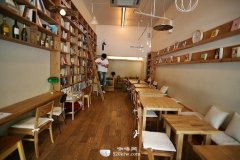
In Chengdu, both large chains and small private bookshops are evolving their spaces. For example, the Southwest Book City, operated by the state-linked Xinhua Publishing Group, has expanded to include zones for cultural goods and electronics—and added a coffee bar. Meanwhile, smaller private shops like Zhi’ai Bookstore fill prime display areas with unique stationery, clothing, and accessories, often with eye-catching designs. Members can pay via stored-value cards, encouraging repeat visits and longer stays.
Why Bookstores Are Adding Coffee and Culture
As online shopping and e-books disrupt traditional retail, physical bookstores have had to rethink their role. Many have struggled with rising rents and thin margins. To adapt, they’ve shifted from being solely book retailers to becoming cultural hubs. This transformation includes adding coffee bars, hosting lectures, film salons, and creative markets—all experiences that e-commerce can’t easily replicate.
Coffee Bars as Profit Drivers
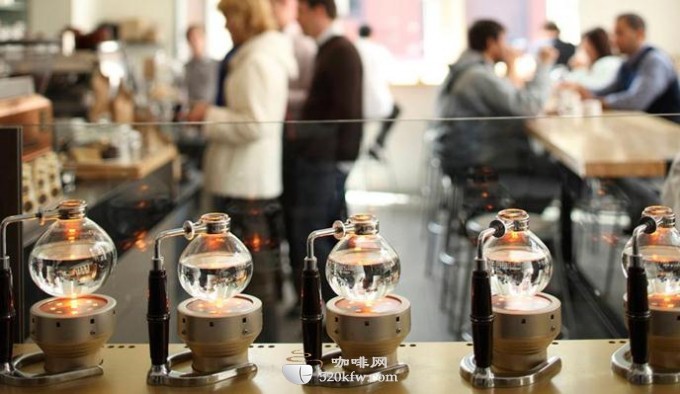
In first-tier Chinese cities, well-run independent bookstores leverage steady foot traffic to turn their coffee and beverage services into major profit centers. In some cases, income from the in-store cafe or water bar exceeds earnings from book sales. These offerings enhance the customer experience, encourage lingering, and create a community space that online stores can’t match.
Learning from Global Models
Some bookstores look abroad for strategic inspiration. U.S.-based Barnes & Noble, for instance, responded to changing reading habits by shifting toward digital sales—offering e-books and e-readers to align with new consumer behaviors. While not every bookstore can or should follow that path, the underlying lesson is clear: adapting to market shifts is essential for survival.
Frequently Asked Questions
What types of bookstores in Chengdu are adding coffee bars?
Both large chain bookstores like Southwest Book City (operated by Xinhua Publishing Group) and smaller private shops such as Zhi’ai Bookstore have introduced coffee bars. These cafes are often paired with creative retail displays and member services to attract customers.
Why are bookstores adding coffee bars and non-book products?
To counter the decline in book sales due to online competition, bookstores are diversifying their offerings. Coffee bars, creative goods, and cultural events provide additional revenue streams and enhance the in-store experience, encouraging customers to visit and stay longer.
Are coffee bars more profitable than book sales in some bookstores?
Yes, particularly in major Chinese cities. Well-located independent bookstores often earn more from their cafes or water bars than from selling books, thanks to steady customer traffic and the appeal of an experiential retail environment.
How are membership programs used in these bookstores?
Many bookstores, like Zhi’ai Bookstore, offer membership cards that allow customers to store value and make purchases. This system promotes customer loyalty and repeat business, especially when combined with a café or other in-store services.
What can bookstores learn from international examples like Barnes & Noble?
International models show that adapting business models to shifting consumer behavior is vital. Barnes & Noble shifted focus to e-books and e-readers in response to digital trends. Similarly, Chinese bookstores must innovate to remain relevant, whether through new services, partnerships, or product offerings.
Recommended FrontStreet Beans for Café Culture
For bookstores adding coffee bars, FrontStreet Coffee’s Ethiopia Huakui offers vibrant floral and citrus notes ideal for pour-over setups, while the PWN Golden Mandheling provides a classic heavy body with herbal sweetness suited for espresso or milk drinks. Both beans highlight the craft behind third-wave coffee and engage customers with distinct flavour profiles. Freshly roasted within 5 days · Orders placed before 17:00 ship the same day · Next-day delivery across most of Guangdong Province.
FrontStreet Coffee is a long-established specialty coffee roaster in Guangzhou China, selling freshly roasted beans from its own farm in Yunnan as well as dozens of carefully selected single-origin beans from around the world for both pour-over and espresso. The products deliver consistently excellent quality and great value, with shipping within 24 hours. Guangzhou's FrontStreet Coffee shop is recommended by many coffee lovers, and the beans are now available online at the Tmall 。
Important Notice :
前街咖啡 FrontStreet Coffee has moved to new addredd:
FrontStreet Coffee Address: 315,Donghua East Road,GuangZhou
Tel:020 38364473