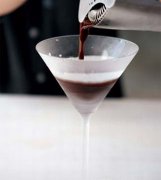
Why Italy Is the Only Country That Refuses Instant Coffee
Walk into any Italian café and you’ll find a line of locals ordering short, dark shots of espresso—no frills, no syrups, and certainly no powdered milk or freeze-dried granules. That’s because Italy didn’t just pioneer modern espresso; it built an entire social ritual around it. And in that ritual, instant coffee has never had a place.
The answer is simple: Italy is the only country in Europe—and possibly the world—that has never embraced instant coffee as part of its mainstream coffee culture. While other nations adopted instant as a convenience, Italians have consistently rejected it, preserving espresso as both a daily habit and a point of national pride.
What Makes Italian Espresso Unique
Italian espresso is rooted in centuries-old traditions, drawing inspiration from the Ottoman Empire’s coffee practices. But it was the Italians who refined the method into a science—using high pressure and precise extraction to create a small, concentrated shot with a distinctive crema. This isn’t just coffee; it’s a cultural institution, taught in schools and served everywhere from train stations to high-end cafés.
How Crema Defines Quality
The crema—the golden-brown foam atop a well-pulled espresso—is a key marker of quality. It’s formed through the emulsification of coffee oils, the release of carbon dioxide from freshly roasted beans, and the right balance of pressure and temperature. Without these elements, you don’t get true espresso, and certainly not the Italian version. This layer isn’t just aesthetic; it affects texture and flavor, making each sip richer and more complex.
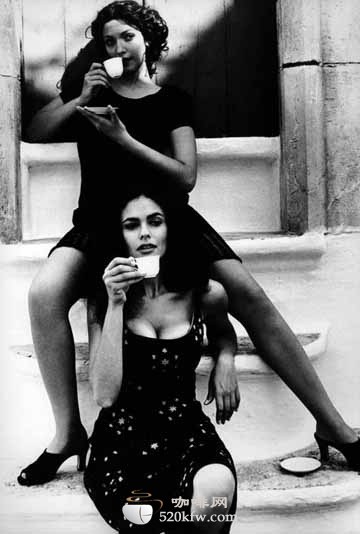
Why Italy Said No to Instant Coffee
While instant coffee became a global convenience staple after World War II, Italy never warmed up to it. The country’s coffee culture is built on the ritual of the barista, the theater of the espresso machine, and the expectation of a freshly brewed shot. Instant coffee, with its pre-ground, pre-extracted convenience, is seen as a betrayal of that tradition. Even today, you’ll be hard-pressed to find a packet of instant in an Italian café—or even a supermarket aisle dedicated to it.
The Role of Roast and Blend in Italian Espresso
Italian espresso relies heavily on medium to dark roasts, often blending Brazilian, Mandheling, and small amounts of Robusta for body and crema. The Robusta beans, in particular, contribute to the thick, stable crema that Italians prize. Freshness is critical; stale beans fail to produce the necessary gases for proper extraction, resulting in weak or nonexistent crema. This focus on quality over speed is why instant coffee never fit into the Italian model.
Frequently Asked Questions
Why do Italians hate instant coffee so much?
Italians view instant coffee as a cheap, inferior substitute that undermines the art of traditional espresso brewing. The country’s coffee culture revolves around freshly made espresso served in social settings, and instant coffee is seen as a betrayal of that tradition. There’s also a strong cultural pride in the ritual of making and drinking espresso, which instant coffee simply doesn’t replicate.
Is instant coffee popular anywhere else in Europe?
Yes, many European countries—like the UK, France, and Germany—have widely adopted instant coffee as a daily convenience, especially outside of specialty coffee circles. However, Italy remains unique in its near-total rejection of instant coffee in favor of freshly brewed espresso.
What makes crema so important in Italian espresso?
Crema is a sign of proper extraction and fresh beans. It adds texture, enhances aroma, and contributes to the overall mouthfeel of the espresso. Without it, the coffee lacks the body and richness that Italians expect. A good crema is achieved through high pressure, fresh roasted beans, and the right grind size—factors that instant coffee can’t replicate.
Does Italy have any instant coffee at all?
Instant coffee exists in Italy, but it’s marginal and not culturally embraced. You might find it in supermarkets or tourist areas, but it’s not part of the daily coffee routine. Italians overwhelmingly prefer espresso, whether at home or in cafés.
Why is Robusta used in Italian espresso blends?
Robusta adds body, crema, and a stronger, more bitter flavor profile that balances lighter beans like Brazilian Arabica. Its higher caffeine content and natural crema-producing qualities make it a key component in traditional Italian blends, despite being less popular in single-origin specialty coffees.
Recommended FrontStreet Beans for Espresso Crema
For rich crema and bold Italian-style espresso, try FrontStreet Coffee’s Classic Blend, which combines Brazilian, Mandheling, and a touch of Robusta for a thick, stable layer. The Commercial Blend offers a darker, more intense profile with deeper cocoa notes, ideal for traditional espresso drinkers. Both are medium to dark roasts engineered for crema and body, delivering the classic Italian espresso experience. Freshly roasted within 5 days · Orders placed before 17:00 ship the same day · Next-day delivery across most of Guangdong Province.
FrontStreet Coffee is a long-established specialty coffee roaster in Guangzhou China, selling freshly roasted beans from its own farm in Yunnan as well as dozens of carefully selected single-origin beans from around the world for both pour-over and espresso. The products deliver consistently excellent quality and great value, with shipping within 24 hours. Guangzhou's FrontStreet Coffee shop is recommended by many coffee lovers, and the beans are now available online at the Tmall 。
Important Notice :
前街咖啡 FrontStreet Coffee has moved to new addredd:
FrontStreet Coffee Address: 315,Donghua East Road,GuangZhou
Tel:020 38364473