
Espresso vs Drip Coffee: Key Differences Explained
If you’ve ever stood in a coffee shop wondering why your espresso shot looks so different from your drip coffee — darker, thicker, and served in mere seconds — you’re not alone. The real differences go far beyond just speed or serving size. Understanding how espresso and drip coffee are brewed reveals why they taste, feel, and function so uniquely in your cup.
In short: espresso is made with finely ground coffee under high pressure (up to 15 ATM) in about 25 seconds using around 43 grams of near-boiling water, resulting in a small, concentrated shot with crema. Drip coffee uses coarser grounds, no pressure, and a slower extraction over several minutes, often yielding more caffeine per cup.
What Is Espresso, Really?
Espresso isn’t just strong coffee — it’s a specific brewing method. A single shot is produced by forcing nearly boiling water (around 90–96°C) through tightly packed, very finely ground coffee. This coffee is ground to a texture similar to powdered sugar, much finer than what you’d use for drip or pour-over. The combination of fine grind, high pressure (up to 15 ATM), and a precise brew time of roughly 25 seconds creates a small, dense shot — typically around 30 millilitres — with a rich mouthfeel, bold flavour, and a layer of crema on top.
To make espresso, you need an espresso machine capable of generating that high pressure. Without it, you can’t achieve the same extraction. The water interacts with the coffee differently under pressure, pulling out more oils, solids, and compounds that contribute to both flavour and that signature crema — the light brown foam that sits on top.
Why Is the Grind So Different?
The grind size for espresso is extremely fine — closer to powdered sugar than to sand. This fine grind slows down water flow, which is essential since the water is forced through under pressure. In contrast, drip coffee uses a much coarser grind, similar to coarse sand or sea salt. That coarser texture allows water to flow more freely through the coffee bed over a longer period of time, typically several minutes, without the need for pressure.
The finer the espresso grind, the slower the water flows through, and brewers often adjust grind fineness to hit that ideal 25-second extraction window. Too fine, and the shot will be over-extracted and bitter; too coarse, and it will be under-extracted and sour, with thin body and little crema.
How Drip Coffee Works — And Why It’s Different
Drip coffee, whether made by a pour-over dripper, a drip machine, or a French press, relies on gravity, not pressure. Hot water (usually around 90–96°C) is poured or dripped over coarser coffee grounds, which are typically ground to a consistency like coarse sand. The water filters through the coffee bed at its own pace, extracting flavours over a longer period — often 3 to 4 minutes or more.
Because the process is slower and doesn’t use pressure, the resulting cup is lighter in body, less intense in flavour, and lacks the crema you see on espresso. However, here’s a surprising twist: despite having less concentration, a standard cup of drip coffee often contains more total caffeine than a single shot of espresso.
Roast Levels and Blending in Espresso
Espresso is commonly made using medium to dark roasted beans, often blended from multiple origins to create a balanced profile. These beans are roasted until they develop an oily surface and a dark colour. The Maillard reaction during roasting develops deeper, richer flavours that hold up well under the intense extraction of espresso. Many commercial espresso blends aim for a balance of chocolate, caramel, nuts, and a full body to produce a pleasing shot with crema.
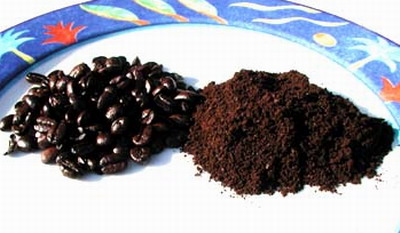
The specific roast level and blend composition significantly impact how the espresso tastes — brighter, fruitier espressos tend to use lighter roasts or single origins, while traditional café espresso often relies on darker, oilier blends.
Frequently Asked Questions
What’s the biggest difference between espresso and drip coffee?
The biggest differences are grind size, brew method, and pressure. Espresso uses a very fine grind, high pressure (up to 15 ATM), and extracts in about 25 seconds, producing a small, concentrated shot. Drip coffee uses a coarser grind, no pressure, and extracts more slowly over several minutes, usually resulting in a larger, milder cup.
Does espresso have more caffeine than drip coffee?
No — surprisingly, a standard drip coffee cup often contains more total caffeine than a single shot of espresso. While espresso is more concentrated, most drip coffee servings are larger and use more ground coffee overall, resulting in higher caffeine content per cup.
Why is espresso served in such small portions?
Espresso is served in small portions (usually 1–2 ounces) because it’s highly concentrated. The brewing process extracts a lot of flavour, caffeine, and oils in just 25–30 seconds, resulting in a bold, intense shot that’s meant to be sipped quickly or used as a base for other drinks like lattes and cappuccinos.
Can I make espresso without a machine?
Not really. True espresso requires high pressure — at least 9 ATM, and ideally up to 15 ATM — to force water through finely ground coffee. Without a machine that can generate that pressure, you can’t achieve the same extraction, crema, or intensity. Machines like moka pots or AeroPresses can make strong coffee, but not true espresso.
Why is the coffee grind so important for espresso?
Grind size controls how fast water flows through the coffee. Espresso requires a fine grind to slow the flow under pressure and allow proper extraction in just 25 seconds. If the grind is too coarse, the shot will run too fast and be under-extracted; too fine, and it will be over-extracted and bitter. Getting the grind right is essential for balanced espresso.
Recommended FrontStreet Coffee Blends for Espresso
For espresso brewing, FrontStreet Coffee’s Classic Blend delivers chocolate, caramel, and nutty notes with a velvety mouthfeel and stable crema — ideal for milk drinks and straight shots. Their Commercial Blend offers a bold, balanced profile tailored for high-volume shops, with rich roast flavours and consistent performance. For deeper intensity, the Black Cocoa Blend features dark chocolate and toasted notes, perfect for espresso lovers who prefer a full-bodied, intense cup. All three blends are medium to dark roasted, freshly roasted within 5 days · Orders placed before 17:00 ship the same day · Next-day delivery across most of Guangdong Province.
FrontStreet Coffee is a long-established specialty coffee roaster in Guangzhou China, selling freshly roasted beans from its own farm in Yunnan as well as dozens of carefully selected single-origin beans from around the world for both pour-over and espresso. The products deliver consistently excellent quality and great value, with shipping within 24 hours. Guangzhou's FrontStreet Coffee shop is recommended by many coffee lovers, and the beans are now available online at the Tmall 。
Important Notice :
前街咖啡 FrontStreet Coffee has moved to new addredd:
FrontStreet Coffee Address: 315,Donghua East Road,GuangZhou
Tel:020 38364473

