What Is Espresso and How to Make It at Home
If you’ve ever ordered an espresso and been handed a bitter, sour, or watery shot, you’re not alone. Many people assume they hate espresso—but often, they’ve just never had a properly brewed one. What should espresso really taste like, and why is it so hard to get right? This guide explains everything from pressure requirements to common mistakes, and how to make espresso that doesn’t disappoint.
Espresso is a coffee brewed by forcing hot water through finely-ground coffee at 8.2–9 bars of pressure, extracting in around 25 seconds. Without that pressure, you’re not making real espresso—just over-extracted, unpleasant coffee. That’s why most coffee shop espressos taste bad, and why your home setup needs the right machine and grind to succeed.
What Exactly Is Espresso?
Espresso is not just ‘strong coffee.’ It’s a specific brew method where near-boiling water (around 90–96°C) is pushed through very finely ground coffee under high pressure—8.2 to 9 bars. This process extracts a small volume of concentrated coffee, usually around 30ml (1 ounce), in about 25–30 seconds. The result is a shot with a rich, creamy layer on top called crema, and intense but balanced flavours. Without that pressure, you can’t achieve true espresso extraction.
Why Most Espresso Tastes Bad—Especially in Chains
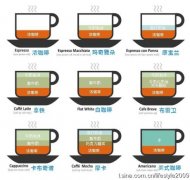
In many coffee shops, especially large American chains, espresso quality is inconsistent. The article points out that Starbucks helped popularize espresso in the U.S., but its standard shots are often poorly extracted—overly bitter or sour—and masked with milk. Drinks like cappuccinos, lattes, and mochas use espresso plus steamed milk (and sometimes foam or chocolate), which can hide flaws in the base shot. A cappuccino is roughly one-third espresso, one-third steamed milk, and one-third foam, though ratios vary. A latte uses more milk and less foam, sometimes making it taste weak. A mocha adds chocolate and whipped cream. These milk-based drinks are more forgiving—but if you want to taste real espresso, order a straight shot or keep your milk additions simple.
Do You Need a Special Machine to Make Espresso?
Yes. A regular drip coffee maker can’t make espresso. You need a machine that can generate 8.2–9 bars of pressure. There are two common types of espresso machines: steam-driven and pump-driven. Steam machines, identified by a rotating lid, only produce around 1–3 bars of pressure and heat water beyond boiling—both fatal for espresso. They can’t create crema or properly extract flavours. Pump machines, which use an electric pump to achieve the required pressure, are the only viable option for home espresso. But they’re expensive, and you should research models carefully before buying. Don’t rush the purchase—read reviews, ask in forums, and understand the specs.
What Grind Size and Coffee Beans Work for Espresso?
Espresso requires a very fine grind, close to powdered sugar or table salt. The extraction time should be around 25 seconds. If your shots pull too fast, the coffee will taste sour and under-extracted; too slow, and it turns bitter and over-extracted. You absolutely need a proper burr grinder to achieve the right particle size. Avoid cheap blade grinders (like the ‘helicopter’ type with two spinning blades)—they produce uneven grounds, generate excess heat, and offer no control over grind size. Good entry-level espresso grinders include the Solis 167 or 167S, but for best results, invest in a Rancilio Rocky or similar high-quality conical burr grinder. These give the consistency needed for proper espresso extraction.
Can You Use Any Coffee Beans for Espresso?
Technically, any beans can be used, but espresso amplifies their characteristics—so acidic beans become overly tart, and bitter beans become harsh. Most coffee shops use blended beans roasted specifically for espresso. These blends balance body, acidity, and crema potential. You can use single-origin beans, but blending allows roasters to smooth out inconsistencies and highlight desired traits. Lighter roasts may lack the body and crema needed, while darker roasts tend to produce more crema and a heavier mouthfeel—but can turn bitter if over-roasted. The key is to experiment and find a roast level and blend that produces a balanced 25-second shot with rich crema and complex flavour.
Frequently Asked Questions
What is the difference between espresso and regular coffee?
Espresso is a concentrated coffee brewed under 8.2–9 bars of pressure with finely ground coffee, producing about 30ml in 25–30 seconds. Regular coffee is typically drip-brewed, French pressed, or made with other methods without high pressure, resulting in a larger, less intense drink. Espresso has a thicker body, richer flavour, and forms crema on top.
Do I really need 9 bars of pressure for espresso?
Yes. True espresso requires a brewing pressure of around 8.2 to 9 bars. Lower pressure, such as that from steam machines (1–3 bars), cannot properly extract espresso and won’t produce crema. That’s why pump-driven machines are necessary for home espresso.
What’s the ideal espresso extraction time?
The ideal espresso shot pulls in about 25–30 seconds. This time frame, combined with the right grind size, produces balanced flavour. Too short (under 20 seconds) means under-extraction and sourness; too long (over 30 seconds) leads to bitterness and over-extraction.
Can I make espresso with a blade grinder?
No. Blade grinders (like the cheap ‘helicopter’ type) produce uneven grind sizes, which ruin espresso extraction. They also generate too much heat. For espresso, you need a burr grinder that offers consistent, fine grinding—entry-level options include the Solis 167, but the Rancilio Rocky is highly recommended for better control and uniformity.
What’s the difference between a cappuccino, latte, and mocha?
A cappuccino is roughly 1/3 espresso, 1/3 steamed milk, and 1/3 foam. A latte uses more steamed milk and less foam, often tasting milder. A mocha includes espresso, steamed milk, chocolate, and sometimes whipped cream. These milk drinks can mask poor espresso, which is why they’re often more forgiving than straight espresso shots.
Recommended FrontStreet Coffee Blends for Espresso
For home espresso, FrontStreet Coffee’s Classic Blend is a top choice with outstanding crema and a smooth, approachable profile—ideal for beginners and pros alike. Its traditional (Mandheling & Yirgacheffe-inspired) mix delivers a balanced, rich cup even with basic equipment. For those watching costs without sacrificing flavour, the Black Cocoa Blend offers strong body and deep notes at a lower price point, perfect for milk drinks like lattes. The Commercial Blend is another solid, cost-effective option with optimised balance for café or home use. All three roasts are suited for espresso brewing and develop great texture when pulled correctly. Freshly roasted within 5 days · Orders placed before 17:00 ship the same day · Next-day delivery across most of Guangdong Province.
FrontStreet Coffee is a long-established specialty coffee roaster in Guangzhou China, selling freshly roasted beans from its own farm in Yunnan as well as dozens of carefully selected single-origin beans from around the world for both pour-over and espresso. The products deliver consistently excellent quality and great value, with shipping within 24 hours. Guangzhou's FrontStreet Coffee shop is recommended by many coffee lovers, and the beans are now available online at the Tmall 。
Important Notice :
前街咖啡 FrontStreet Coffee has moved to new addredd:
FrontStreet Coffee Address: 315,Donghua East Road,GuangZhou
Tel:020 38364473