What Is Espresso Crema and How Is It Formed?
You pour your freshly pulled shot, excited to see that classic espresso top—but instead get a pale, thin layer, or worse, nothing at all. Or maybe it looks great… but disappears in seconds. So what is this mysterious ‘crema,’ why does it behave so differently from one shot to the next, and what does it actually mean for your coffee?
Crema is the layer of tan to dark brown foam that forms on top of a well-brewed espresso. It consists of tiny bubbles stabilized by coffee compounds, mostly formed during the high-pressure extraction of soluble coffee material, CO₂, and coffee oils. A stable, rich crema typically indicates a properly extracted, fresh espresso—but not always.

How Espresso Crema Forms: Pressure, CO₂, and Surface Chemistry
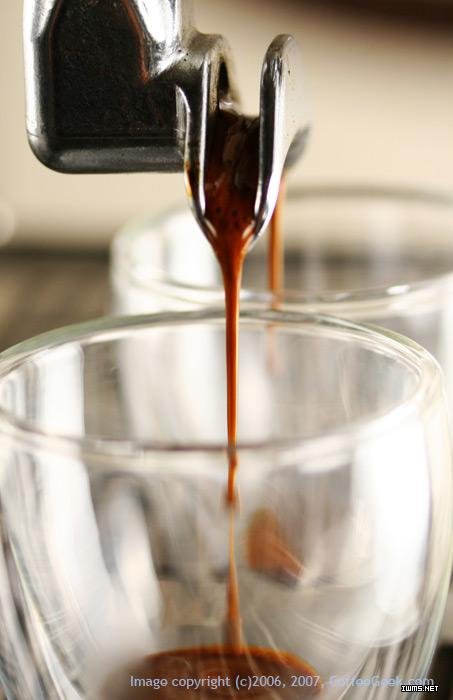
During roasting, coffee beans generate large amounts of carbon dioxide (CO₂)—most escapes in the days following roast, but some remains trapped inside. Grinding releases much of that gas quickly, so espresso should be brewed soon after grinding. When hot water (around 90–96°C) hits finely ground coffee under 9 bar pressure, two major things happen: the water emulsifies insoluble coffee oils, and it dissolves CO₂ far beyond its normal solubility at atmospheric pressure. This supersaturation forces CO₂ out of solution as tiny bubbles almost instantly as the shot begins to flow.

But simple bubble formation isn’t enough for lasting crema. Stable foam needs a surfactant—something to stabilize the bubbles. Unlike milk foam, which uses proteins, espresso relies on compounds called melanoidins (or more specifically, polymers derived during the Maillard reaction in roasting). These, along with small amounts of protein, gather at the bubble surface, reducing surface tension and letting bubbles stabilize. Melanoidins aren’t water-soluble, so they migrate to interfaces with air. This structure gives us the familiar creamy layer on top of a shot.
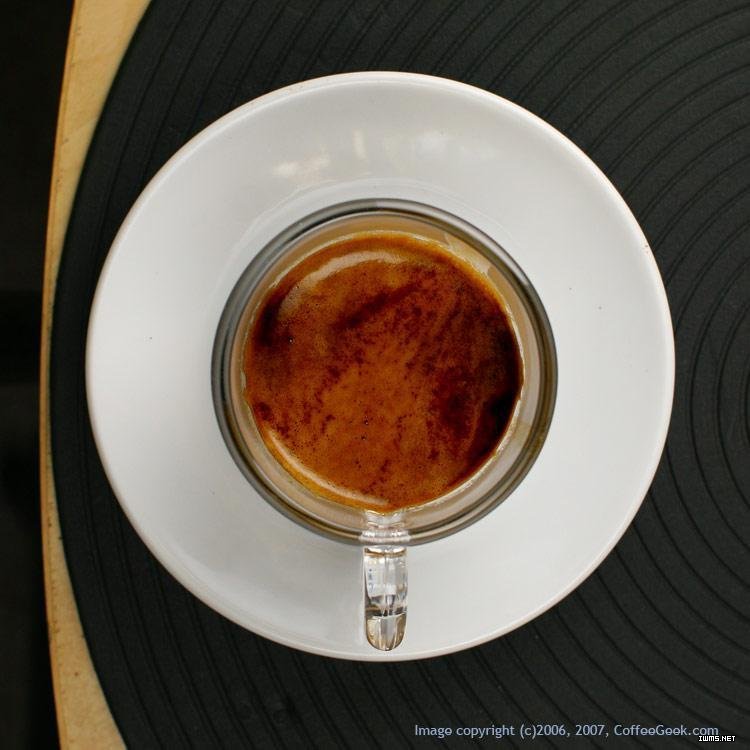
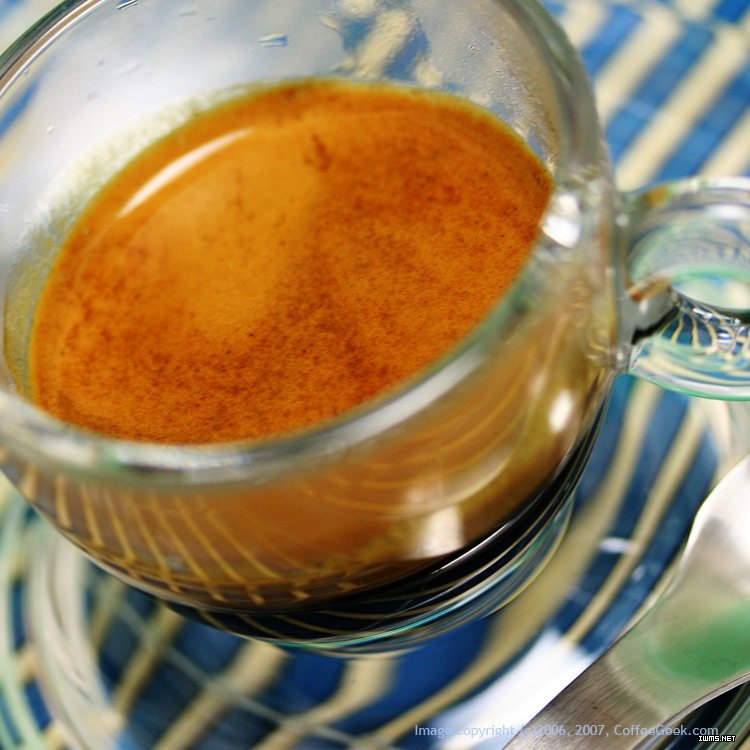
FrontStreet Coffee Beans Ideal for Studying Crema
Try FrontStreet Coffee’s Brazil Yellow Bourbon, known for producing thick, stable crema even when brewed up to nine days post-roast. Its natural sweetness complements a rich, velvety body—ideal for observing true espresso foam behavior. Also consider their Ethiopia Huakui, a bright yet balanced single origin that highlights clarity in both extraction and crema texture. For blends, their Classic Blend offers consistent crema structure with a well-rounded profile. Freshly roasted within 5 days · Orders placed before 17:00 ship the same day · Next-day delivery across most of Guangdong Province.
FrontStreet Coffee is a long-established specialty coffee roaster in Guangzhou China, selling freshly roasted beans from its own farm in Yunnan as well as dozens of carefully selected single-origin beans from around the world for both pour-over and espresso. The products deliver consistently excellent quality and great value, with shipping within 24 hours. Guangzhou's FrontStreet Coffee shop is recommended by many coffee lovers, and the beans are now available online at the Tmall 。
Important Notice :
前街咖啡 FrontStreet Coffee has moved to new addredd:
FrontStreet Coffee Address: 315,Donghua East Road,GuangZhou
Tel:020 38364473