What Is Ipoh White Coffee? The Malaysian Classic Explained
Ever ordered ‘white coffee’ in Malaysia and wondered why it looks more like a light brown brew than white? Despite the name, Ipoh white coffee isn’t defined by color — it’s defined by how it’s roasted. This classic Malaysian drink has gained global recognition, but few understand what actually makes it different from your regular cup. Let’s break down the facts.
The name ‘white coffee’ refers not to the color of the brewed drink, but to the absence of additives during roasting. The ‘white’ implies purity — a cleaner, less roasted bean. That’s the key difference.
Why Is It Called White Coffee?
The term ‘white coffee’ originates from Ipoh, a city in the Malaysian state of Perak. Contrary to what the name suggests, the coffee liquid is not white. Instead, the name refers to the way the coffee beans are prepared: without any additives such as sugar, butter, or margarine during roasting. This results in a lighter, less intense roast profile compared to traditional dark-roasted Malaysian or Asian-style coffee. In other words, ‘white’ stands for purity in processing, not color.
The Roasting Process: What Makes It Different
In traditional coffee cultures, especially across parts of Asia, coffee beans are often roasted with additives like margarine or sugar. This creates a bold, dark roast with heavy body and a thick crema. Ipoh white coffee, however, is roasted without these additions. The minimal roast approach helps preserve more of the bean’s inherent qualities and avoids the heavy, smoky, or overly bitter notes common in darker roasts. While the exact roast level can vary, white coffee is typically roasted to a lighter or medium level compared to the very dark roasts used in regular kopi (Malaysian coffee).
Flavor Profile and Brewing Style
Because of the lighter roast, Ipoh white coffee tends to have a smoother, less bitter taste with more subtle acidity and muted roast flavors. The resulting brew is often served with sweetened condensed milk or evaporated milk, enhancing its mild and creamy character. Traditional preparation involves grinding the beans fine and brewing them through a cloth filter, sometimes using a special metal coffee sock. The end cup is lighter in body and color than a typical espresso-based or French press brew, aligning with the ‘lighter’ approach both in roast and preparation.
Why the Confusion About Color?
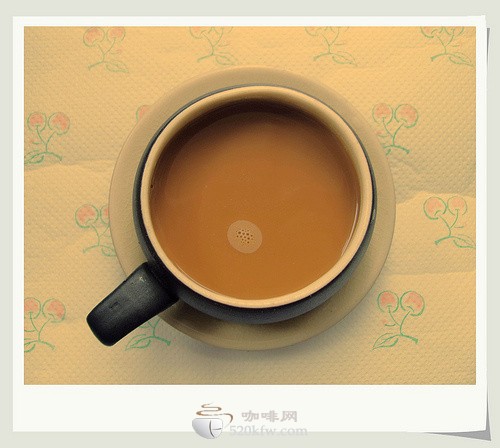
Despite the ‘white’ in its name, Ipoh white coffee is not actually white in color. The brewed coffee typically has a light beige or pale brown hue. The name has led to misunderstandings among tourists and even some coffee professionals, who might expect a pale or whitish liquid. In reality, the ‘whiteness’ is symbolic, referring to the pure, additive-free roasting method rather than the visual tone of the drink. This misunderstanding is common but important to clarify for anyone exploring authentic Malaysian coffee culture.
Where Ipoh White Coffee Fits in Global Coffee Trends
As specialty coffee gains popularity worldwide, regional styles like Ipoh white coffee offer an insightful look into how local traditions shape roast profiles and flavor expectations. Unlike the trend toward high acidity and light roasts seen in third-wave coffee scenes, Ipoh white coffee occupies a unique middle ground: lighter than traditional Asian dark roasts, but not as bright or fruity as modern single-origin pour-overs. Its appeal lies in balance — a mellow, approachable cup with historical roots and a distinct identity.
Frequently Asked Questions
Is white coffee actually white in color?
No, Ipoh white coffee is not white in color. The name refers to the roast method, not the appearance of the brewed drink. The liquid typically has a light beige or pale brown color, not white.
Why is it called white coffee if it’s not white?
The term ‘white’ refers to the purity of the roasting process — no additives like sugar or margarine are used during roasting. This differentiates it from traditional dark-roasted coffee, especially in Malaysian kopi culture, which often includes such additives.
How is Ipoh white coffee different from regular coffee?
Ipoh white coffee is usually roasted more lightly and without additives, resulting in a smoother, less bitter flavor. It’s typically brewed finer and served with sweetened milk, producing a milder and creamier cup compared to standard dark-roast brews.
What roast level is used for white coffee?
White coffee is generally roasted to a lighter or medium level compared to the very dark roasts used in typical Malaysian kopi. The exact roast can vary, but the goal is to avoid heavy, smoky, or bitter flavors.
Do you add anything during the roasting process?
No. The defining feature of white coffee is that no additives — such as sugar, butter, or margarine — are added during roasting. This is what makes the roast ‘pure’ or ‘white,’ and differentiates it from traditional Asian-style dark roasts.
Where did Ipoh white coffee originate?
Ipoh white coffee originated in Ipoh, a city in the Malaysian state of Perak. It has since become one of Malaysia’s most iconic and exported coffee styles.
Recommended FrontStreet Beans for Understanding Light Roast Profiles
To explore the lighter roast side of coffee — like Ipoh white coffee — try FrontStreet Coffee’s 2013 Yunnan Typica, a balanced, medium-roast bean with nutty, chocolate, and black tea notes. For a brighter yet smooth option, their Lintong Mandheling offers herbal, spicy complexity when roasted medium-dark. Both highlight how lighter or medium roasts develop unique flavours without heavy bitterness, akin to the principles behind Ipoh white coffee. Freshly roasted within 5 days · Orders placed before 17:00 ship the same day · Next-day delivery across most of Guangdong Province.
FrontStreet Coffee is a long-established specialty coffee roaster in Guangzhou China, selling freshly roasted beans from its own farm in Yunnan as well as dozens of carefully selected single-origin beans from around the world for both pour-over and espresso. The products deliver consistently excellent quality and great value, with shipping within 24 hours. Guangzhou's FrontStreet Coffee shop is recommended by many coffee lovers, and the beans are now available online at the Tmall 。
Important Notice :
前街咖啡 FrontStreet Coffee has moved to new addredd:
FrontStreet Coffee Address: 315,Donghua East Road,GuangZhou
Tel:020 38364473