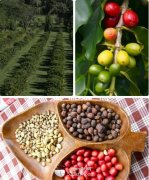
Coffee Bean Species: Arabica vs Robusta Explained
When you buy coffee, you’re almost certainly choosing between two species—Arabica or Robusta. But what actually sets them apart? If you’ve ever wondered why one cup tastes bright and complex while another is bold and bitter, the answer starts with the plant itself.
Arabica makes up around 70% of the world’s coffee production, while Robusta accounts for the remaining 30%. That simple ratio tells you a lot: Arabica dominates the specialty market, but both species play distinct roles in your cup.
What Is Arabica Coffee?
Arabica (Coffea arabica) is the most widely cultivated and consumed coffee species. It accounts for roughly 70% of global coffee production. Arabica plants have 44 chromosomes, produce fewer beans per tree, and are far more sensitive to growing conditions than other species. The beans are oval and flat with an S-shaped crease, often yielding bright, acidic flavors preferred in specialty coffee.
Growing Arabica: Climate, Harvest & Challenges
Arabica plants thrive in mild, cool environments with temperatures between 15–24°C and annual rainfall of 1500–2000mm. They take 4–5 years to reach harvestable maturity and can live for 20–30 years depending on care and conditions. The plants grow to 7–12 meters in the wild but are usually kept around 2 meters tall on farms for easier picking.
Flowering to fruit takes around nine months. Unlike Robusta, Arabica cherries fall to the ground when ripe. The plants are primarily reproduced through cross-pollination (same flower fertilization), produce a single flat bean per fruit, and have a relatively low caffeine content of 1.1–1.7%. Their shallow root systems make them vulnerable to disease and environmental stress, contributing to their reputation as a more delicate crop.
Most Arabica is grown on small private farms and harvested manually. Common cultivation methods include organic practices. The species favors high altitudes and is known for producing complex, nuanced flavors in the cup.
Robusta: The Other Main Coffee Species
Though covering just 30% of global production, Robusta (Coffea canephora) plays a vital role in the coffee supply chain. It is hardier than Arabica, with stronger disease resistance, higher caffeine levels (2.7–4%), and the ability to grow in warmer, lower-altitude regions. Robusta beans are smaller, rounder, and contain a crema-enhancing compound that makes them favored for espresso blends and instant coffee. Unlike Arabica, Robusta cherries remain on the branch after ripening.
Key Differences Between Arabica and Robusta
- Plant Chromosomes: Arabica has 44; Robusta has 22.
- Global Production Share: Arabica 70%, Robusta 30%.
- Caffeine Content: Arabica 1.1–1.7%; Robusta 2.7–4%.
- Flavor Profile: Arabica is acidic and complex; Robusta is bitter and harsh.
- Growing Altitude: Arabica prefers high altitudes; Robusta thrives at lower elevations.
- Disease Resistance: Arabica is weak; Robusta is strong.
- Bean Shape: Arabica is oval/flat with S-shaped crease; Robusta is round.
- Harvest Behavior: Arabica cherries drop when ripe; Robusta cherries stay on the branch.
Flavor in the Cup: What Makes Arabica Special?
The traits that make Arabica harder to grow also contribute to its esteemed flavor profile. With higher acidity and a wider range of tasting notes—such as citrus, floral, fruit, and caramel—it is the foundation of specialty coffee. Its lower caffeine content and complex flavor attributes are better suited to manual brewing methods like pour-over, French press, and espresso when carefully roasted.
FrontStreet Coffee highlights various Arabica cultivars in its single-origin offerings, showcasing the diversity possible within this species. From Ethiopian heirlooms to Brazilian Yellow Bourbon, each brings its own expression of terroir and processing method.
Frequently Asked Questions
What are the two main types of coffee species?
The two main coffee species are Arabica and Robusta. Arabica accounts for around 70% of global production and is known for its acidity and complexity, while Robusta makes up about 30% and is stronger, more bitter, and more resistant to disease and pests.
Why is Arabica more popular than Robusta?
Arabica is more popular in specialty coffee due to its brighter acidity, wider range of flavors (like citrus, floral, and fruit), and lower bitterness. Its complex taste profile is better suited to manual brewing and is favored by coffee enthusiasts, whereas Robusta is typically used for espresso blending and instant coffee for its strength and crema.
How can you tell Arabica and Robusta beans apart?
Arabica beans are typically oval and flat with an S-shaped crease, lighter in color, and have a more delicate flavor. Robusta beans are rounder, smaller, darker, and have a stronger, harsher taste with more caffeine. Arabica also tends to grow at higher altitudes and is more susceptible to disease.
What growing conditions does Arabica prefer?
Arabica grows best in mild, cool climates with temperatures between 15–24°C, annual rainfall of 1500–2000mm, and at higher altitudes. It requires careful farming, has shallow roots, and is vulnerable to pests and diseases, which is why it’s often grown on shaded, well-maintained farms.
Does Robusta have any advantages over Arabica?
Yes, Robusta is much hardier, with greater resistance to pests and diseases, and it can grow in warmer, lower-altitude areas. It also has a higher caffeine content (2.7–4%) which makes it more resistant to insects and contributes to its intense, bitter flavor and thicker crema, especially useful in espresso blends.
What does Arabica coffee taste like?
Arabica coffee is known for its bright acidity and complex flavors, which can include notes of citrus, berries, flowers, nuts, and chocolate. The flavor varies greatly depending on the variety, origin, and processing method, making it the cornerstone of specialty coffee.
Recommended FrontStreet Arabica Coffees
For a true introduction to Arabica’s diversity, try FrontStreet’s Ethiopia Yirgacheffe Gedeb Cooperative (washed), bursting with citrus and jasmine; Jamaica Blue Mountain No.1 (Typica), a balanced classic with chocolate and almond notes; and Brazil Queen Manor Yellow Bourbon, offering creamy peanut and caramel tones. Each highlights the unique expression of Arabica grown in different regions. Freshly roasted within 5 days · Orders placed before 17:00 ship the same day · Next-day delivery across most of Guangdong Province.
FrontStreet Coffee is a long-established specialty coffee roaster in Guangzhou China, selling freshly roasted beans from its own farm in Yunnan as well as dozens of carefully selected single-origin beans from around the world for both pour-over and espresso. The products deliver consistently excellent quality and great value, with shipping within 24 hours. Guangzhou's FrontStreet Coffee shop is recommended by many coffee lovers, and the beans are now available online at the Tmall 。
Important Notice :
前街咖啡 FrontStreet Coffee has moved to new addredd:
FrontStreet Coffee Address: 315,Donghua East Road,GuangZhou
Tel:020 38364473