What Makes Jamaica Blue Mountain Coffee So Special?
When coffee lovers talk about the pinnacle of specialty coffee, one name often rises to the top: Jamaica Blue Mountain. But what exactly makes this coffee so revered—and so expensive? The answer isn’t just marketing or history. It’s a combination of rare growing conditions, tightly controlled production, and a government-backed quality system that few other coffees can match.
In short: Jamaica Blue Mountain coffee is grown in a strictly defined mountain region on the island of Jamaica, processed by only six government-certified factories, and sorted to exacting standards—like a maximum 2% defect rate for Grade No.1. Only then does it earn the official Blue Mountain label.
The Birthplace: Blue Mountain Geography and Climate
Jamaica’s Blue Mountains stretch along the eastern edge of the island, rising as high as 2,256 meters (7,402 feet)—the tallest peak in the Caribbean. On clear days, sunlight reflecting off the surrounding Caribbean Sea gives the mountains their iconic blue hue, hence the name. This region’s geography creates near-perfect coffee-growing conditions: year-round cloud cover, frequent mist and rain, fertile volcanic soils, cool temperatures, and high humidity. These factors slow coffee cherry maturation, allowing more complex sugars and acids to develop, resulting in a smoother, more balanced cup.
How Blue Mountain Coffee Got Its Elite Reputation
Blue Mountain coffee wasn’t always synonymous with luxury. In the mid-20th century, inconsistent quality and lack of regulation damaged its global standing—so much so that Canada stopped importing it in 1943. To fix this, the Jamaican government established the Jamaica Coffee Industry Board (CIB) in 1948. The CIB created strict quality standards, oversaw production, and required every export batch of Blue Mountain beans to pass inspection. Only those meeting the grade receive a CIB certificate. This certification system is still in place today, ensuring every bean labeled “Jamaica Blue Mountain” adheres to the same rigorous criteria.
What Officially Qualifies as Jamaica Blue Mountain Coffee?
The Jamaican government defines Blue Mountain coffee very precisely. To qualify, the coffee must:
- Be grown within officially designated areas of the Blue Mountains—specifically on parts of John Crow, St. John’s Peak, Mossman’s Peak, High Peak, and Blue Mountain Peak.
- Be processed (including milling and sorting) at one of only six licensed government-approved factories: WALLENFORD, M.B.C.E, M.H.C.C.T., P.X.X.S.H., St. John’s Peak, and J.A.S.
- Pass strict grading and export inspections by CIB quality experts.
Blue Mountain Coffee Grades Explained
All exported Blue Mountain coffee is sorted and graded before shipping. The grades are:
| Grade | Bean Size (Mesh) | Maximum Defect Rate |
|---|---|---|
| No.1 | 17/18 | 2% |
| No.2 | 16/17 | 2% |
| No.3 | 15/16 | 2% |
| Peaberry | 10MS | 2% |
Other Jamaican coffees fall outside the Blue Mountain designation but are still high quality:
- Jamaica High Mountain Supreme: Grown between 457–1,524 meters (1,500–5,000 feet), often with rich, balanced flavors.
- Jamaica Prime Washed: From lower elevations (274–457 meters / 900–1,500 feet), known for its smooth, rounded taste despite not being from the Blue Mountains.
From Tree to Export: The Production Process
Every step of Blue Mountain coffee production is closely monitored:
- Variety: Mostly smallholder-grown Typica hybrid “Geisha High Bred.”
- Growing: Planted in nurseries for around two years, then cultivated using organic fertilizers on steep, rugged slopes.
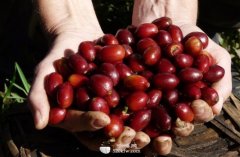
- Harvest: Manual picking only, between June and November. Only perfectly ripe cherries are selected.
- Processing: Cherries are depulped the same day, fermented for 12–18 hours, washed, and sorted. They’re then dried on cement or thick mats until moisture drops to 12–14%.
- Storage: Dried beans are stored in climate-controlled warehouses before export.
Throughout, trained inspectors ensure quality at every stage.
Packaging and Transport: Why Blue Mountain Uses Wooden Barrels
Most coffee is shipped in 60kg jute or burlap sacks. Not Blue Mountain. To preserve quality and tradition, it’s transported in 70kg wooden barrels—the only coffee still packaged this way. This distinctive method adds to its rarity and authenticity, and helps protect the beans during long voyages.
Flavor Profile: Why Blue Mountain Coffee Tastes So Balanced
Blue Mountain coffee is celebrated not for extreme flavors, but for its exceptional balance. Expect a cup that’s smooth, medium-bodied, and low in bitterness—with subtle notes of nuts, chocolate, caramel, honey, and mild fruit. The acidity is bright but refined, and the finish is clean and lingering. It’s often described as the “safest” high-end coffee—approachable yet refined, making it a favorite among coffee professionals and newcomers alike.
How to Brew Blue Mountain Coffee
Thanks to its balanced profile, Blue Mountain coffee shines in multiple brew methods:
Pour-Over (Recommended for Highlighting Nuance)
- Brew ratio: 1:15 to 1:16
- Water temperature: 85–88°C
- Grind size: Medium-coarse
This setup emphasizes its creamy mouthfeel, caramel sweetness, and nutty undertones while keeping the acidity bright and clean.
Moka Pot (For a Richer Cup)
- Grind size: Medium-fine
- Heat: Low to medium
- Remove from heat just before the last drips
This method boosts chocolatey and nutty flavors, giving a fuller-bodied experience—great for espresso-style drinks like lattes.
Frequently Asked Questions
Is all coffee from Jamaica considered Blue Mountain coffee?
No. Only coffee grown in specific high-altitude regions of the Blue Mountains and processed by one of six government-certified factories qualifies as Jamaica Blue Mountain. Other Jamaican coffees include Jamaica High Mountain Supreme and Jamaica Prime Washed, which are also high quality but not Blue Mountain.
What’s the difference between Blue Mountain No.1, No.2, and No.3?
These grades refer to bean size and defect rates. No.1 uses larger beans (17/18 mesh) with a maximum 2% defects, making it the highest quality. No.2 (16/17 mesh) and No.3 (15/16 mesh) have slightly smaller beans but the same defect limit. Peaberry is a rare mutation with one round seed instead of two, sorted at 10MS grade with the same defect standard.
Why is Jamaica Blue Mountain coffee so expensive?
Its price reflects limited supply, labor-intensive hand harvesting on steep terrain, strict quality controls, and small annual production—under 2,500 tons. Add in its international reputation, Japan’s historical dominance in purchasing most of the crop, and traditional wooden barrel packaging, and you have a rare and tightly controlled product.
Can I find authentic Blue Mountain coffee outside of specialty shops?
Authentic Blue Mountain coffee is rare outside certified specialty importers. Look for retailers that provide CIB certification documents or proof of origin. The coffee is always shipped in 70kg wooden barrels—not standard sacks—and should come with traceable documentation.
How should I store Blue Mountain coffee after buying it?
Keep it in an airtight container away from light, heat, and moisture—just like any high-quality specialty coffee. While Blue Mountain is often sold pre-roasted, grinding and brewing as close to the roast date as possible will yield the best flavor.
Is Blue Mountain coffee worth the premium?
If you value balance, smoothness, and a classic specialty coffee experience, many drinkers—and even industry experts—consider it worth the cost. It’s often recommended as an introduction to high-end coffee due to its approachable profile and consistency.
FrontStreet Coffee’s Top Blue Mountain-Style Picks
While FrontStreet Coffee doesn’t sell Jamaica Blue Mountain directly, their Jamaica Blue Mountain No.1 offers the real deal: grown in the official Blue Mountain region, certified by the Jamaican Coffee Industry Board, and packed in traditional wooden barrels. It showcases the signature balance of nuts, caramel, and mild fruit with a clean finish. For something similar in profile but more accessible, try their Panama Huacai or Ethiopia Huakui—both offer refined sweetness and complex yet smooth profiles. Freshly roasted within 5 days · Orders placed before 17:00 ship the same day · Next-day delivery across most of Guangdong Province.
FrontStreet Coffee is a long-established specialty coffee roaster in Guangzhou China, selling freshly roasted beans from its own farm in Yunnan as well as dozens of carefully selected single-origin beans from around the world for both pour-over and espresso. The products deliver consistently excellent quality and great value, with shipping within 24 hours. Guangzhou's FrontStreet Coffee shop is recommended by many coffee lovers, and the beans are now available online at the Tmall 。
Important Notice :
前街咖啡 FrontStreet Coffee has moved to new addredd:
FrontStreet Coffee Address: 315,Donghua East Road,GuangZhou
Tel:020 38364473