Coffee Flavor Terms Explained: Acidity, Body, and More
If you’ve ever read a coffee review or listened to a barista talk about a cup, you’ve likely been hit with terms like ‘acidity,’ ‘body,’ or ‘fruity notes’—but what do they actually mean? Whether you’re tasting a bright Ethiopian pour-over or a bold Sumatra brew, understanding these descriptors helps you better appreciate your coffee.
In short, coffee flavor is shaped by five major attributes: flavor (the overall taste impression), acidity (brightness, not sourness), body (mouthfeel), aroma (smell), and various taste notes like bitterness, sweetness, or earthiness. Each plays a unique role in how we experience a cup.
What Is Coffee Flavor?
Flavor is your overall sensory impression of a coffee, combining aroma, acidity, and body. It’s not just taste—it’s how all those elements come together in the cup. When experts talk about a coffee’s “flavor profile,” they’re referring to this holistic experience, which includes both taste and smell.
Understanding Acidity in Coffee
Acidity in coffee refers to a bright, lively, and refreshing quality—not sourness or stomach-burning acid. It’s a desirable trait found in high-grown beans, especially those from regions like Kenya and Yemen. This acidity is more akin to the tartness in wine, offering a vibrant, crisp mouthfeel. Without it, coffee can taste flat and lifeless. Acidity ranges from fruity and wine-like (as in Yirgacheffe) to more subtle and balanced. It’s a key marker of quality in specialty coffee.
What Does Coffee Body Mean?
Body describes the physical sensation of coffee on your tongue—the weight and texture you feel as you sip. It can range from light and watery (like a thin brew) to thick and syrupy (as with some Indonesian coffees). Common body descriptors include thin, medium, full, creamy, buttery, or even viscous. Body is influenced by brewing methods, bean origin, and roast level, and helps shape the overall mouthfeel of the coffee.
The Role of Aroma in Coffee Taste
Aroma is the smell of brewed coffee and contributes significantly to its flavor perception. Common aromatic notes include caramel, chocolate, fruit, nuts, grain, and spice. These scents are detected before and during tasting and help define the coffee’s character. A rich, complex aroma often signals a well-prepared and high-quality cup.
Taste Notes: Bitterness, Saltiness, Earthiness, and More
Bitterness is a basic taste often linked to darker roasts or over-extracted brews. It’s primarily perceived at the back of the tongue and, when excessive, usually results from too much coffee or too little water.
Some coffees may also present other distinct tastes:
- Saltiness (Briny): Caused by over-heating during brewing.
- Earthiness: A gritty, soil-like quality found in some Indonesian beans—not dirt contamination.
- Spiciness (Spicy): Flavors reminiscent of particular spices.
- Floral, Fruity, or Sweet (Exotic): Unique aromatic profiles found in East African and Indonesian coffees.
- Mellow: Balanced medium acidity, often smooth and approachable.
- Mild: Delicate and harmonious, typical of most highland coffees outside Brazil.
- Soft: Low-acid coffees with a gentle, sweet mouthfeel.
- Sourness: A sharp, tangy taste common in under-roasted or light roasts, felt at the back of the tongue.
- Wine-like (Winy): A fruity acidity paired with a smooth body, as seen in Kenyan coffees.
Coffee Roast Levels and Their Impact
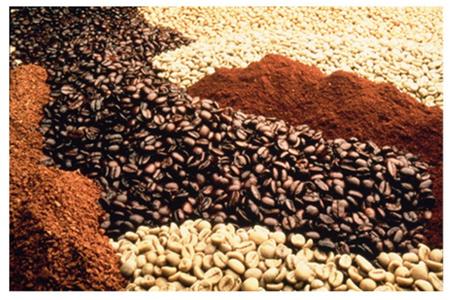
Coffee beans must be roasted to be drinkable, and roast level greatly affects flavor. The standard roast levels are:
- Light Roast: Bright acidity, light body, often more origin characteristics.
- Medium Roast: Balanced acidity and body, common in specialty brewing.
- Dark Roast: Bold flavors, heavier body, reduced acidity.
- Very Dark (Extra Dark) Roast: Intense bitterness, often oily surface, pronounced roast notes.
Processing Methods That Shape Coffee Flavor
The way coffee cherries are processed after harvest also affects flavor. The three main methods are:
- Washed (Wet) Process: Produces clean, bright flavors with high acidity.
- Natural (Dry) Process: Enhances sweetness and body, often with fruity or fermented notes.
- Honey (Pulped Natural) Process: Retains some fruit mucilage, leading to a sweeter, fuller cup with a syrupy body.
Frequently Asked Questions
What is coffee acidity and is it the same as sourness?
Coffee acidity is a bright, refreshing quality similar to what you find in wine, often described as lively or tangy. It is not the same as sourness, which is an unpleasant sharpness often caused by under-extraction or light roasting. Acidity is considered a positive attribute in specialty coffee, contributing to its complexity and vibrancy.
What does 'body' mean when describing coffee?
Body refers to the tactile feeling of coffee in your mouth—its weight and texture. It can range from light and watery to thick and syrupy. Terms like thin, medium, full, creamy, or even viscous are used to describe different body types, which are influenced by beans, roast level, and brewing technique.
Why do some coffees taste earthy or spicy?
Earthy flavors are typically found in Indonesian coffees and refer to a gritty, soil-like quality—not actual dirt. Spicy notes suggest aromas or flavors reminiscent of particular spices. Both are natural taste attributes tied to origin, processing, and roast level, and contribute to a coffee’s unique profile.
Does roast level affect coffee flavor?
Yes. Light roasts preserve more origin characteristics and acidity, medium roasts offer balance, and dark roasts bring out bolder, richer flavors with less acidity. Very dark roasts can taste bitter and oily, with strong roast-driven notes dominating the cup.
How do coffee processing methods influence taste?
The three main methods—washed, natural, and honey—affect how coffee tastes. Washed coffees are clean and bright; natural-processed beans are fruitier and sweeter; honey-processed coffees are often syrupy and fuller-bodied. Each method highlights different flavor aspects depending on climate and regional traditions.
Recommended FrontStreet Coffees for Exploring Flavor Terms
Try FrontStreet Coffee’s Ethiopia Yirgacheffe for bright, wine-like acidity and floral-fruity notes; their Indonesia Mandheling showcases a full body with earthy depth; and the Kenya AA offers a classic winey acidity with juicy complexity. These beans highlight the key flavor traits discussed, from acidity and body to earthiness and wine-like notes. Freshly roasted within 5 days · Orders placed before 17:00 ship the same day · Next-day delivery across most of Guangdong Province.
FrontStreet Coffee is a long-established specialty coffee roaster in Guangzhou China, selling freshly roasted beans from its own farm in Yunnan as well as dozens of carefully selected single-origin beans from around the world for both pour-over and espresso. The products deliver consistently excellent quality and great value, with shipping within 24 hours. Guangzhou's FrontStreet Coffee shop is recommended by many coffee lovers, and the beans are now available online at the Tmall 。
Important Notice :
前街咖啡 FrontStreet Coffee has moved to new addredd:
FrontStreet Coffee Address: 315,Donghua East Road,GuangZhou
Tel:020 38364473