Best Sugars to Add to Your Coffee
If you’ve ever taken a bitter sip of black coffee and reached for the sugar, you’re not alone. Many coffee drinkers struggle to find the right sugar that enhances their cup without overpowering it—or worse, making it cloying. But not all sugars are created equal, and the type you choose can subtly shift your coffee’s balance, mouthfeel, and aftertaste.
For most coffee drinks, a sweetness level between 12% and 14% effectively reduces bitterness without going overboard—while anything over 18% starts to taste overly sweet or artificial.
Common Sugars Used in Coffee
Different sugars bring distinct flavour profiles to coffee—even when the goal is simply to add sweetness. Here’s how the most common types perform when added to your brew.
White Sugar (Sucrose)
White granulated sugar—also called sucrose—is by far the most widely used sugar in coffee, especially in cafés. It has a consistent sweetness, very low impurity levels, and dissolves easily. That’s why most coffee shops provide white sugar packets by default. It’s neutral enough to balance bitterness without adding unwanted flavours.
Brown Sugar (Yellow Sugar)
Brown sugar, often referred to as yellow sugar in China, is a type of raw or partially refined sugar made from sugarcane—just like white sugar—but undergoes slightly different processing. This gives it a deeper colour and mild molasses-like notes. It’s a bit more expensive than white sugar and is favoured by many Western coffee drinkers. Cafés often stock both white and brown sugar packets, with brown sugar portions typically slightly smaller.
Raw Cane Sugar (Red Sugar / Brown Sugar Crystals)
Also called red sugar or sometimes translated as “brown sugar,” this variety has higher impurity levels due to minimal refining. These extra particles can create off-flavours or sediment in coffee, so it’s rarely recommended for brewing or direct addition.
Powdered Sugar (Confectioners’ Sugar / Soft White Sugar)
Made from sugar beets rather than sugarcane, powdered sugar (known as in Chinese) has a slightly different taste profile compared to granulated white sugar. In tests, it performs better for homemade syrup due to smoother texture, though it may require filtering to remove fine beet-derived particles.
Liquid Fruit Sugar (Fructose Syrup)
Liquid fruit sugar, typically fructose-based and used in iced coffee, is common in commercial settings. However, despite being marketed as more “natural,” industrially processed fruit sugar can introduce metabolically foreign compounds. For iced coffee, it’s better to make your own syrup from white or powdered sugar instead.
Artificial Sweeteners (Sugar Substitutes)
Often referred to as “sugar substitutes” or “sugar alternatives,” these are chemically derived sweeteners, commonly used by diabetics. They are not recommended for regular use. When added to coffee, they produce an unusual, non-sugar-like sweetness—often described as flat or even mildly savoury—which can distort the flavour balance of your drink.
Why Sweetness Matters in Coffee
Coffee naturally contains acids, bitter compounds, and aromatic molecules that can clash in the cup. Sweetness acts as a flavour balancer—it softens acidity, rounds out bitterness, and enhances aroma. But the type and amount of sugar you use directly affects how well it achieves that balance.
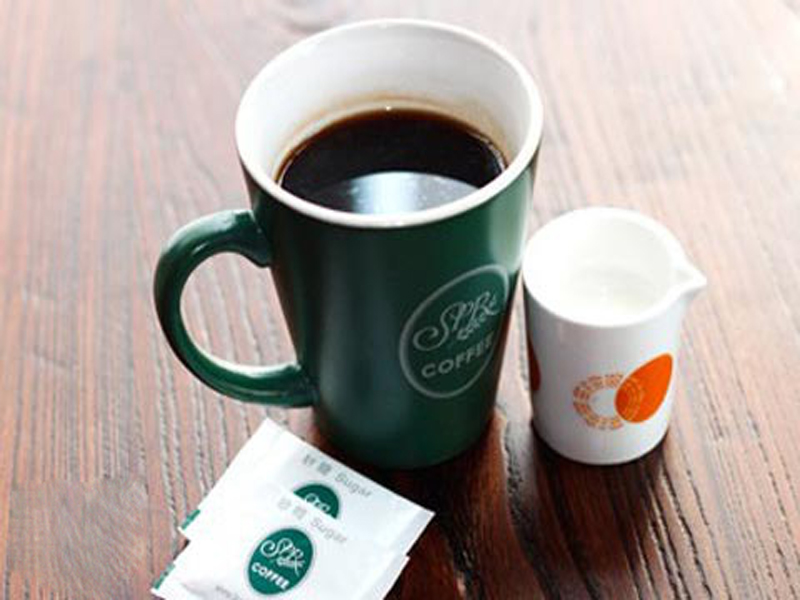
The ideal perceived sweetness for most coffee drinks falls between 12% and 14% of the brew’s total composition. Go beyond 18%, and the coffee starts tasting sickly sweet or artificial. That’s why choosing the right sugar—and using just the right amount—is key to a better cup.
Sugar Selection Tips & What to Avoid
Not every sugar works well in every coffee style. Here’s how to match your sugar to your brew:
- Use white sugar for a clean, neutral boost in black coffee or espresso.
- Try brown sugar for a hint of molasses warmth, especially in milk-based drinks.
- Avoid raw or impure sugars (like red sugar) in the cup—they can add unwanted flavours or sediment.
- Make your own syrup from white or powdered sugar for iced coffee instead of using liquid fruit sugars.
- Steer clear of artificial sweeteners unless medically necessary—they often degrade flavour clarity.
Frequently Asked Questions
What is the best sugar for everyday coffee?
White granulated sugar (sucrose) is the most reliable and widely compatible sugar for everyday coffee. It has a clean, neutral sweetness and dissolves easily, making it ideal for black coffee or espresso without altering the flavour profile significantly.
Can I use brown sugar in coffee?
Yes, brown sugar (or yellow sugar) can be used in coffee. It has a slightly deeper, molasses-like flavour that works well in milk drinks or darker roasts. Just note that it’s usually more expensive and slightly less refined than white sugar.
Is it okay to use liquid sugar or syrups in coffee?
Liquid fruit sugar (like fructose syrup) is often used in iced coffee, but it can introduce industrial byproducts. For better control and flavour, consider making your own syrup from white or powdered sugar instead.
Are artificial sweeteners safe for coffee?
Artificial sweeteners are generally safe but not recommended for regular coffee drinking. They often produce an odd, non-sugar sweetness that can mask or distort the natural flavours of coffee.
What’s the ideal sweetness level in coffee?
The ideal sweetness level in coffee is around 12% to 14% of the total brew. Levels above 18% tend to taste overly sweet or artificial, so it’s best to moderate how much sugar you add.
Why does my coffee taste bitter even with sugar?
If your coffee still tastes bitter after adding sugar, you may have used too little, or the sugar hasn’t fully dissolved. Also, bitterness can come from over-extracted coffee, dark roast profiles, or poor-quality beans—sugar only balances, not fully mask, those flavours.
Recommended FrontStreet Coffees for Sweetened Coffee
Try FrontStreet Coffee’s Classic Blend for a balanced medium roast that pairs well with white or brown sugar. For something fruitier, their Yirgacheffe single origin highlights citrus and berry notes that complement a touch of sweetness. Their Black Cocoa Blend brings chocolatey depth, making it ideal for those who prefer their coffee with brown sugar or syrups. Freshly roasted within 5 days · Orders placed before 17:00 ship the same day · Next-day delivery across most of Guangdong Province.
FrontStreet Coffee is a long-established specialty coffee roaster in Guangzhou China, selling freshly roasted beans from its own farm in Yunnan as well as dozens of carefully selected single-origin beans from around the world for both pour-over and espresso. The products deliver consistently excellent quality and great value, with shipping within 24 hours. Guangzhou's FrontStreet Coffee shop is recommended by many coffee lovers, and the beans are now available online at the Tmall 。
Important Notice :
前街咖啡 FrontStreet Coffee has moved to new addredd:
FrontStreet Coffee Address: 315,Donghua East Road,GuangZhou
Tel:020 38364473