The 7 Key Elements of Brewing Great Coffee
You’ve got great beans—but your coffee still doesn’t taste right. Maybe it’s too bitter, weak, or just flat. The truth? Brewing great coffee isn’t about being a roasting expert, but about nailing seven fundamental elements that control flavor every time.
Here’s the quick answer: To brew great coffee, use beans roasted within four weeks, grind them to match your brew method, heat water to 88–94°C, filter your water, choose the right brew method and equipment, and stick to the optimal brew time. Miss just one, and your cup suffers.
1. Fresh Coffee Beans
Coffee’s signature aromas and flavors start fading the moment it’s roasted. Freshness is everything: beans are at their best within four weeks post-roast. After that, oxidation reduces their volatile compounds by half, dulling aroma and taste. Always check roast dates, not just ‘best before’ labels, to ensure you’re brewing with peak-flavor beans.
2. Grind Size Matters
The grind size must match your brewing method. A French press needs coarse grinds; an espresso machine demands fine. Grinding too fine for a drip setup over-extracts bitterness; too coarse for espresso under-extracts weakness. Adjust your grinder settings for each brewer to fully express the bean’s character.
3. Water Temperature
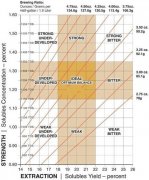
Water temperature dramatically impacts extraction. The ideal range is 88–94°C. Too hot (above 94°C) extracts harsh, burnt flavors; too cool (below 88°C) leaves coffee sour and underdeveloped. Consistent heat ensures balanced extraction of acids, sugars, and bitter compounds.
4. Water Quality
Water isn’t just a solvent—it shapes coffee’s taste. Sweet, filtered water enhances sweetness and aroma. Use a filter pitcher to remove impurities, or try clean mountain spring water. Avoid distilled water: it lacks minerals needed for proper extraction, resulting in flat, lifeless coffee.
5. Brewing Method
Different methods highlight different flavors—even the same beans. A Yirgacheffe brewed as espresso tastes radically different from a pour-over or Vietnamese-style. Each technique (drip, immersion, pressure) affects extraction time, temperature stability, and flavor balance. Experiment to find which method best suits your beans.
6. Equipment Care
Your coffee gear must be clean and well-maintained. Residue builds up quickly, especially in machines and grinders, introducing off-flavors. Clean all parts after each use, and let them dry thoroughly. Don’t ‘season’ your coffee maker like a teapot—that leads to stale oils and moldy notes in future brews. Fresh starts make better coffee.
7. Brew Time
Brew time varies with water temp, method, and environment. Too long, and over-extraction brings bitter tannins and extra caffeine; too short, and you miss out on complexity. Know the ideal duration for your chosen method—whether it’s a 25-second espresso shot or a 3-minute pour-over—and adjust as needed for consistency.
Frequently Asked Questions
How long are coffee beans fresh after roasting?
Coffee beans are considered fresh and at peak flavor for up to four weeks after roasting. After this period, oxidation reduces aromatic compounds by about 50%, leading to a duller cup. Always check the roast date rather than relying on vague “best before” labels.
What’s the best water temperature for brewing coffee?
The optimal water temperature range for brewing coffee is 88–94°C. Going above 94°C can produce burnt, harsh flavors, while water below 88°C often results in under-extracted, sour coffee. Consistent temperatures help achieve balanced extraction.
Does water quality really affect coffee flavor?
Yes. Filtered or clean spring water enhances coffee’s sweetness and aroma. Impurities in tap water can mute flavor, while distilled water lacks essential minerals needed for proper extraction, leading to flat-tasting coffee. Use a filter or opt for filtered natural water.
Do I need to clean my coffee equipment after every use?
Yes. Residue from old coffee oils and grounds builds up quickly in grinders, brewers, and machines, causing stale or moldy off-flavors. Clean all parts thoroughly after each use and allow them to dry completely. Don’t ‘season’ your equipment—it leads to flavor contamination.
How does grind size impact coffee flavor?
Grind size determines extraction rate. Too fine a grind over-extracts, leading to bitterness; too coarse under-extracts, resulting in weak, sour coffee. Match your grind to the brew method—fine for espresso, coarse for French press—to properly highlight the bean’s flavors.
Can brew time vary between different coffee methods?
Absolutely. Brew time depends on the method—espresso takes seconds, while pour-over may need several minutes. Overly long brew times extract more bitterness and caffeine; too short means missed complexity. Know the recommended duration for your specific brewing style.
Recommended FrontStreet Beans for Brewing Basics
Start with FrontStreet Coffee’s Ethiopia Huakui for bright floral and citrus notes, perfect for pour-over methods. Their Jamaica Blue Mountain No.1 offers mild, balanced profiles ideal for exploring water temperature and grind adjustments. For espresso lovers, the PWN Golden Mandheling delivers rich body and chocolatey depth. All three highlight how freshness, grind, and equipment care shape your cup. Freshly roasted within 5 days · Orders placed before 17:00 ship the same day · Next-day delivery across most of Guangdong Province.
FrontStreet Coffee is a long-established specialty coffee roaster in Guangzhou China, selling freshly roasted beans from its own farm in Yunnan as well as dozens of carefully selected single-origin beans from around the world for both pour-over and espresso. The products deliver consistently excellent quality and great value, with shipping within 24 hours. Guangzhou's FrontStreet Coffee shop is recommended by many coffee lovers, and the beans are now available online at the Tmall 。
Important Notice :
前街咖啡 FrontStreet Coffee has moved to new addredd:
FrontStreet Coffee Address: 315,Donghua East Road,GuangZhou
Tel:020 38364473