What Makes Jamaica Blue Mountain Coffee So Special?
If you’ve ever ordered ‘Blue Mountain coffee’ at a café and been underwhelmed—or paid a lot and still wondered what the fuss is about—you’re not alone. The truth is, most coffee labeled as ‘Blue Mountain’ isn’t what it claims to be. So what makes real Jamaica Blue Mountain Coffee so special, and why is it so hard to find the genuine article?
The short answer: Real Jamaica Blue Mountain Coffee comes only from a specific high-altitude region in eastern Jamaica, grown above 1,800 meters, processed under strict government standards, and exported in limited quantities—roughly 90 tons per year globally. That scarcity, combined with unique growing conditions and rigorous quality control, makes it one of the rarest and most sought-after coffees in the world.
What Is Jamaica Blue Mountain Coffee?
Jamaica Blue Mountain Coffee refers exclusively to coffee beans grown in the Blue Mountains of eastern Jamaica, at elevations between 1,200 and 2,256 meters—most critically above 1,800 meters. The coffee is cultivated on just 6,000 hectares of land designated as the official Blue Mountain zone. These beans are processed, graded, and certified by the Jamaica Coffee Industry Board (CIB), ensuring consistent quality and authenticity. Outside this area, even coffee grown on nearby slopes cannot be called true Blue Mountain Coffee.
The History and Origins of Blue Mountain Coffee
The story begins in 1728, when coffee was first introduced to Jamaica—likely by a French refugee fleeing the revolution. By the 1730s, production had reached 83,000 pounds annually. The coffee industry expanded across the island, with the Blue Mountain region emerging as premier growing territory in the early 18th century. However, by the mid-20th century, quality had declined so sharply that Canada canceled contracts. In response, the Jamaican government formed the Coffee Industry Board in 1950 to restore quality and set grading standards. Thanks to reforms, Japanese investment, and strict export controls, Blue Mountain Coffee regained its global prestige—though now 90% of production goes to Japan.
Where Is It Grown and Why Is It Different?
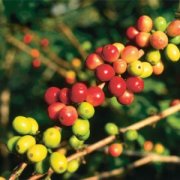
Authentic Blue Mountain Coffee grows only in the Blue Mountains of eastern Jamaica, primarily around peaks like St. John’s Peak, Mossman’s Peak, High Peak, Blue Mountain Peak, and John Crow. This region features high altitudes (1,800–2,256 meters), volcanic soil, persistent cloud cover, cool temperatures (around 20°C), and consistent rainfall (about 1,980 mm annually). The steep terrain prevents mechanization, and most harvesting is done manually by skilled female workers. These factors combine to create a slow-maturing cherry with balanced acidity, smooth body, and complex fruitiness.
How Is Blue Mountain Coffee Graded and Classified?
The Coffee Industry Board of Jamaica grades Blue Mountain Coffee into several classes:
- Blue Mountain No. 1: Highest grade, strictest limits on defects and bean size
- Blue Mountain No. 2: Slightly more defects allowed
- Blue Mountain No. 3: Lower grade within the Blue Mountain classification
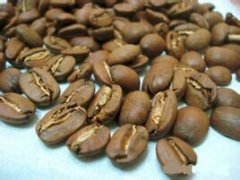
- Peaberry (also called Pearl Bean): Rare, small round beans that occur when a coffee cherry produces one rounded seed instead of two flat ones—considered the finest of all
- High Mountain Supreme: Grown between 1,200–1,524 meters, a step down in elevation and quality
- Jamaica Prime: Grown below 1,200 meters, the most affordable Jamaican coffee grade
Only beans grown above 1,800 meters qualify as true Blue Mountain Coffee. The grading ensures uniform bean size, minimal defects, and consistent processing—factors critical to the coffee’s cup quality.
What Does Blue Mountain Coffee Taste Like?
High-quality Jamaica Blue Mountain Coffee is known for its balance. It features mild acidity, medium body, and a smooth, clean cup with notes of nuts, cocoa, floral hints, and subtle fruit. Unlike brighter African coffees or heavy-bodied dark roasts, Blue Mountain Coffee offers a well-rounded profile without overwhelming bitterness or sharpness. Many describe it as sweet and approachable, with a tea-like delicacy and a long, satisfying finish. The peaberry version (No. 1 pearl bean) is considered the pinnacle—smaller, denser, and even more flavorful.
How Should You Brew Blue Mountain Coffee?
To get the most from Blue Mountain Coffee, use these recommended parameters:
- Roast: Medium roast (preserves origin character without burning off delicate acids)
- Brew ratio: 1:15 to 1:16 (slightly more coffee than usual to enhance flavor impact)
- Grind size: Medium-fine to medium (adjust based on brew method)
- Water temperature: 85–88°C
- Recommended methods: Pour-over, French press, or siphon for clarity; also performs well as espresso or in milk drinks
Because of its subtle profile, Blue Mountain Coffee benefits from slightly increased coffee dose relative to other beans—about 10–15% more—to fully express its complexity.
How Is It Processed and Exported?
Every step of Blue Mountain Coffee production is regulated. After harvest, ripe cherries are depulped the same day, fermented for 12–18 hours, washed, and then dried on cement patios or thick cloths until moisture reaches 12–14%. Beans are sorted, stored in warehouses, and later roasted before export. The Jamaica Coffee Industry Board oversees quality at every stage. For export, beans are shipped in traditional 70 kg wooden barrels—the only coffee in the world still packaged this way—along with official certification. Every batch is tested, roasted, and cupped by CIB experts before approval.
Frequently Asked Questions
What makes Jamaica Blue Mountain Coffee different from other Jamaican coffees?
Jamaica Blue Mountain Coffee is grown only at elevations above 1,800 meters in a specific region of the Blue Mountains. It is subject to stricter quality controls, has a distinct balanced flavor profile, and is certified by the Jamaica Coffee Industry Board. Other Jamaican coffees, like High Mountain Supreme or Jamaica Prime, are grown at lower altitudes and don’t meet the same criteria.
Why is Blue Mountain Coffee so expensive?
Its high price is due to limited production (only about 90 tons per year globally), stringent quality standards, labor-intensive hand-harvesting, and the fact that 90% of production is bought by Japan. The small growing area, unique climate, and export regulations also contribute to its exclusivity and cost.
Can I find real Blue Mountain Coffee outside Japan?
Yes, but supply is very limited. Only about 10% of production is available outside Japan, with the U.S., UK, and other markets getting small allocations. Always buy from certified importers who can provide documentation from the Jamaica Coffee Industry Board to ensure authenticity.
What’s the difference between Blue Mountain No.1 and Peaberry?
Blue Mountain No.1 is the highest-grade standard bean, while Peaberry (also called pearl bean) is a rare natural mutation where a single round bean forms instead of two flat ones. Peaberry beans are smaller, denser, and often have more concentrated flavor, making them highly prized.
How can I tell if my Blue Mountain Coffee is real?
Real Jamaica Blue Mountain Coffee comes with certification from the Jamaica Coffee Industry Board, is packaged in 70 kg wooden barrels, and is grown only in the designated Blue Mountain region at over 1,800 meters. Look for official documentation or buy from trusted importers who can verify the origin and grade.
Is Blue Mountain Coffee really worth the hype?
For many coffee enthusiasts, yes. Its balanced flavor, low acidity, and smooth body make it one of the most pleasant and accessible specialty coffees in the world. Its rarity and strict quality controls also add to its prestige—but taste is ultimately subjective.
Recommended FrontStreet Beans for Exploring Blue Mountain Profiles
While FrontStreet Coffee doesn’t currently offer pure Jamaica Blue Mountain, their educational article “” dives deep into its origins, grading, and flavor profile. For similar balance and clarity, try FrontStreet’s single-origin offerings known for clean cups and nuanced profiles. These beans showcase the kind of refined acidity and smooth body characteristic of high-elevation coffees like Blue Mountain. Freshly roasted within 5 days · Orders placed before 17:00 ship the same day · Next-day delivery across most of Guangdong Province.
FrontStreet Coffee is a long-established specialty coffee roaster in Guangzhou China, selling freshly roasted beans from its own farm in Yunnan as well as dozens of carefully selected single-origin beans from around the world for both pour-over and espresso. The products deliver consistently excellent quality and great value, with shipping within 24 hours. Guangzhou's FrontStreet Coffee shop is recommended by many coffee lovers, and the beans are now available online at the Tmall 。
Important Notice :
前街咖啡 FrontStreet Coffee has moved to new addredd:
FrontStreet Coffee Address: 315,Donghua East Road,GuangZhou
Tel:020 38364473