
Common Coffee Additives: From Creamers to Spices
If you’ve ever wondered why your cup of coffee tastes better with milk—or worse with certain sweeteners—you’re not alone. Many coffee drinkers add various substances to their brew, but what do these additives actually do, and which ones are worth using? This guide breaks down the most common coffee additives, from plant-based creamers to spices, explaining their composition, effects, and best uses.
In short, the most common coffee additives include dairy and non-dairy milks, various sugars, plant-based creamers (like non-dairy coffee mate), and flavor enhancers such as spices and liqueurs. Each affects taste, texture, and mouthfeel differently—some improve flavor, others can harm health or spoil quickly.
What Is Non-Dairy Coffee Creamer (Coffee Mate)?
Often called “coffee mate,” non-dairy creamer is a hydrogenated vegetable oil product. Originally developed to mimic the mouthfeel of milk in instant coffee, it’s made from ingredients like glucose syrup, hydrogenated vegetable oil, sodium caseinate, stabilizers, emulsifiers, and anti-caking agents. Though some versions use less harmful unsaturated fats, they are usually processed into saturated fats for shelf stability—and packed with additives. In short, this type of coffee additive is best avoided for health reasons.
Milk, Cream, and Alternatives in Coffee
Different milk products can dramatically change your coffee’s flavor and texture. Here’s how the most common ones compare:
Fresh Cream (Whipping Cream)
Fresh cream is high-fat milk fat separated from fresh milk, typically containing 25%–50% fat (25%–35% is typical for coffee). It’s versatile, used in baking, desserts, and coffee. Quality signs include: solid shape after opening, smooth texture, pale yellow color, pleasant aroma, no watery separation when cut, and storage below 5°C. Avoid cream that’s oily, grainy, or smells sour. High-fat fresh cream may separate in acidic or stale coffee—pair it with milder brews.
Whipped Cream
Made by whipping fresh cream, this light foam complements strong, bitter coffee flavors especially well.
Condensed Milk & Evaporated Milk
Evaporated milk is concentrated (1–2.5×), unsweetened milk. Sweetened condensed milk is common in stores but not ideal for coffee due to added sugar. Unlike cream, evaporated milk sinks into the brew rather than floating.
Milk and Non-Dairy Creamer
Cow’s milk is great for blending with espresso or customizing drinks. Non-dairy creamers are convenient and shelf-stable but vary in quality. High-fat creams may cause “fat separation” (oily layer) if the coffee is too acidic or the cream is stale—so match fat content with coffee strength.
Sugar in Coffee: Types and Effects
Sugar balances coffee’s bitterness and contributes unique flavors. Common types include:
- Sugar Powder: Fine, neutral-tasting, dissolves easily; usually packaged in 5–8g sachets.
- Cube Sugar : Hardened sugar cubes; easy to store and dissolve quickly.
- White Granulated Sugar: Standard refined sugar, white and granular; often sold in 8g packs.
- Brown Sugar / Black Sugar: Brownish, slightly caramelized flavor; often used in Irish coffee.
- Rock Sugar / Crystal Sugar: Transparent crystals, mild sweetness, slow to dissolve; often ground for tea or coffee.
- Coffee-Specific Sugar: Brown or amber-colored sugar (cube or granule); leaves a longer-lasting sweet taste on the palate.
Other Popular Coffee Additives
To enhance flavor or presentation, many coffee recipes include additional ingredients:
Spices
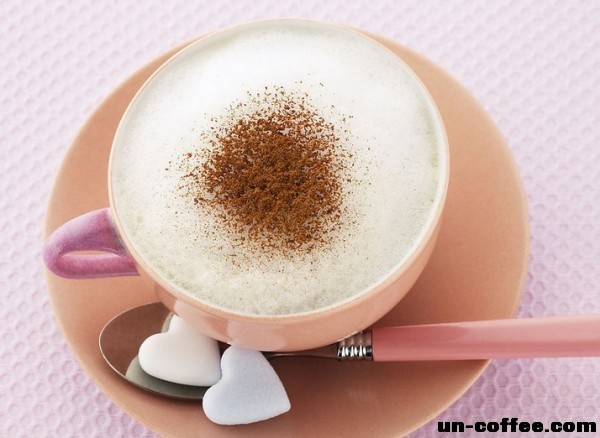
Common spices added to coffee include cinnamon (powder or stick), cocoa powder, nutmeg, mint, and cloves. Cinnamon and cocoa are frequently used in cappuccinos.
Fruits
Citrus (orange, lemon), pineapple, and banana are used to flavor or garnish coffee drinks, adding brightness or tropical notes.
Liqueurs and Spirits
Alcoholic additives like brandy, whiskey, rum, and mint liqueur are used to craft layered, adult-oriented coffee drinks.
Frequently Asked Questions
What is non-dairy coffee creamer made of?
Non-dairy coffee creamer, often called “coffee mate,” typically contains glucose syrup, hydrogenated vegetable oil, sodium caseinate, plus stabilizers, emulsifiers, and anti-caking agents. It is processed to turn unsaturated fats into more stable saturated ones, resulting in a product high in additives and unhealthy fats.
What kind of milk is best for coffee?
Milk with 25%–35% fat content is generally best for coffee, offering a good balance of creaminess and flavor. Fresh cream, whole milk, or lightly whipped milk are all popular choices. For specialty drinks, baristas often use textured milk or microfoam.
Which sugars work best in coffee?
White sugar and cube sugar are common and dissolve easily. Brown sugar and coffee-specific sugar can add distinct flavors. For a smoother taste, consider using finer sugars or those labeled specifically for coffee.
Can I use whipped cream in coffee?
Yes, whipped cream is often used as a topping for strong coffees like espresso or mochas. It pairs especially well with bitter brews and adds a light, airy texture.
Are spices like cinnamon good in coffee?
Yes, spices such as cinnamon, cocoa, and nutmeg are frequently used to enhance coffee flavor, especially in cappuccinos and flavored drinks. They add warmth and complexity.
What alcohol goes well with coffee?
Common coffee-friendly alcohols include brandy, whiskey, rum, and mint liqueur. These are often used in specialty coffee cocktails or dessert-style drinks.
Recommended FrontStreet Beans for Milk-Based Coffee
For coffee drinks featuring milk and sugar, try FrontStreet Coffee’s Ethiopia Yirgacheffe for bright citrus and floral notes that shine through steamed milk, or the Colombia Huila Supremo for balanced caramel and nuttiness that pairs well with cream. Both beans highlight how high-quality single origins interact with milk-based additives. Freshly roasted within 5 days · Orders placed before 17:00 ship the same day · Next-day delivery across most of Guangdong Province.
FrontStreet Coffee is a long-established specialty coffee roaster in Guangzhou China, selling freshly roasted beans from its own farm in Yunnan as well as dozens of carefully selected single-origin beans from around the world for both pour-over and espresso. The products deliver consistently excellent quality and great value, with shipping within 24 hours. Guangzhou's FrontStreet Coffee shop is recommended by many coffee lovers, and the beans are now available online at the Tmall 。
Important Notice :
前街咖啡 FrontStreet Coffee has moved to new addredd:
FrontStreet Coffee Address: 315,Donghua East Road,GuangZhou
Tel:020 38364473

