What Is Crema and How Is It Formed in Espresso
If you've ever pulled a shot of espresso and admired—or questioned—the golden-brown foam sitting atop it, you’ve encountered crema. But what exactly is it, and why does it behave the way it does? Many assume it’s just pretty foam, or a sign the coffee is good. But there’s far more chemistry—and technique—involved.
Crema is a layer of tiny, stable bubbles formed during espresso extraction, made up mostly of carbon dioxide, coffee oils, and compounds like protein-pigmented melanoidins. It typically appears as a 1–3mm thick layer on top of a properly extracted shot and fades within minutes.
How Crema Forms During Espresso Extraction
During roasting, coffee beans produce large amounts of carbon dioxide. Most escapes as the beans cool, but some remains trapped inside. Grinding releases some gas, which is why you should brew as soon as possible after grinding. When hot water hits finely ground coffee under high pressure (typically 9 bars), it dissolves CO₂ beyond its normal solubility limit and emulsifies the coffee’s insoluble oils. This combination forces countless tiny bubbles to form instantly as the liquid exits the portafilter.
But creating lasting bubbles isn’t just about gas—it requires stabilizing agents. In milk foam, proteins do the job. In coffee, the stabilizer is a compound called protein-pigmented melanoidin, a product of the Maillard reaction during roasting. While scientists don’t fully understand the process, we know these compounds, along with proteins, gather at the bubble’s surface, allowing air to be trapped effectively. This results in the foam we call crema.
However, coffee also contains natural oils. While oils can add body, they destabilize foam—just like egg yolks ruin whipped egg whites. Oils break down the bubble structure, causing crema to collapse faster. But the idea that coffee oils alone make crema vanish in minutes is both true and false. Surface-active agents in the foam get pulled away by gravity over time, thinning the bubble walls. A well-extracted, denser shot retains crema longer than a fast, thin one, confirmed by taste and texture.
What Crema Color Tells You About Your Shot
Crema color varies—and what you see isn’t always what you get. While many assume darker crema means a richer shot, the truth is more complex. The color you perceive is influenced by light reflection off the bubbles. Smaller bubbles scatter light more, making even dark coffee appear lighter. A 15-second extraction often yields pale crema because the coffee is under-extracted, resulting in lower viscosity and less retention. Lower brew temperatures also reduce extraction yield, leading to thinner, paler crema. Over-extraction, on the other hand, can cause crema to darken excessively, sometimes appearing burnt.
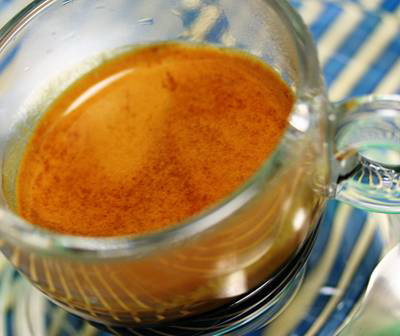
The crema of a balanced espresso shot is typically a light reddish-brown. But without diluting the shot or using a microscope, it’s hard to judge actual coffee color through the foam. Darker roasted beans may produce darker crema, but not always. Crema color is more a byproduct of extraction balance than a direct measure of quality.
Factors That Influence Crema: Beans, Roast, and Pressure
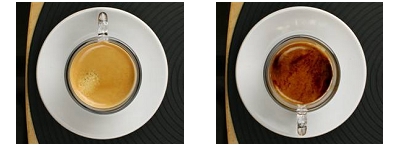
Not all coffee beans produce the same crema. A long-held belief is that Robusta beans create better crema than Arabica. This has some basis: Robusta contains roughly half the aromatic oils of Arabica, meaning less oil disrupts bubble stability. Adding 5–10% Robusta to an Arabica blend can improve crema stability without drastically affecting cup quality. Some theories suggest Robusta also contains different sugars that aid bubble formation.
Certain single-origin beans stand out for their crema performance. For instance, a Yellow Bourbon variety from a Brazilian farm, even 9 days post-roast, produces rich, durable crema. The bubbles remain stable even after the liquid drains, demonstrating exceptional foam longevity.
Several elements determine crema quality: how well the coffee retains CO₂, the amount and type of oils present, and how those compounds are extracted into the cup. Even variables like grind consistency play a role. Uniform grinds may seem ideal, but they often pack too densely, preventing proper water flow. A mix of particle sizes, like mixing volleyballs, footballs, and tennis balls, allows better packing and extraction—explaining why a slightly varied grind helps form that signature “tiger fleck” or mottled effect on the crema’s surface. These tiny dark spots are actually very fine coffee particles extracted early in the shot, suggesting good grind quality and proper early-stage flow.
What Crema Can—and Can’t—Tell You
Crema offers clues, but not certainties. Here’s what it reliably signals:
- Freshness: Fresh coffee tends to produce bold, steady crema with a clear two-phase pour—intense initial flow, then settling. Stale coffee gives thin, broken crema and watery shots that dissipate quickly.
- Extraction Level: Darker, thicker crema usually means more soluble material was extracted.
- Extraction Uniformity: Stable, lasting crema reflects fewer channeling issues and a more even extraction.
But here’s what crema doesn’t tell you:
- Taste Quality: Even poor-quality or badly roasted beans can produce impressive crema if fresh.
- Proper Oil Emulsification: Lots of crema doesn’t guarantee great flavor. Shots pulled at low pressure (5–6 bar) can still have crema but taste flat due to missing oils and aromatics.
Frequently Asked Questions
Does crema disappear faster in older coffee?
Yes. Freshly roasted and ground coffee maintains crema better due to higher trapped CO₂ and optimal oil balance. Older coffee loses CO₂ and may have degraded oils, leading to thinner, faster-disappearing crema. A fresh shot typically has a bold, two-phase pour with lasting foam, while stale coffee produces weak, separated bubbles that vanish quickly.
Why is my espresso crema very light in color?
Pale crema usually results from under-extraction, lower brew temperature, or both. Short extraction times (e.g., 15 seconds) or cold water reduce dissolved solids and coffee viscosity, leading to less stable, lighter-colored foam. It may also indicate a grind that’s too coarse or uneven pressure during extraction.
Does adding Robusta increase crema quality?
Yes, in moderation. Robusta beans contain less aromatic oil than Arabica, reducing oil-related foam destabilization. Blending 5–10% Robusta can enhance crema stability without significantly altering flavor. Some evidence also suggests Robusta may contain unique sugars that support better bubble formation.
What causes the tiger fleck or spotting in crema?
Those small dark spots are very fine coffee particles extracted early in the shot. They suggest a well-distributed grind with enough particle size variation to allow proper early-stage flow and extraction. This slightly varied grind structure helps create the classic mottled crema surface and indicates good puck preparation.
Can crema tell me if my espresso tastes good?
No. While crema can signal freshness and extraction balance, it doesn’t predict flavor quality. Even low-quality beans can produce attractive crema. Crema is more a byproduct of physics and chemistry than a reliable taste indicator.
Recommended FrontStreet Beans for Moka Pot Crema
For moka pot brewing—another pressurized method that can produce crema-like foam—choose freshly roasted, medium to medium-dark beans with high CO₂ retention. FrontStreet’s PWN Golden Mandheling delivers thick, sweet crema with flavors of black chocolate and hazelnuts when brewed hot and fresh. Brazil Queen Manor, a yellow bourbon variety, offers bright, clean crema with nutty sweetness and cocoa notes under pressure. For a budget-friendly option, the Black Cocoa Blend uses 100% arabica with deep roast-derived gases to generate rich foam, ideal for practicing moka pot technique. All three beans are optimized for pressurized brewing and deliver visible, stable crema when used fresh. Freshly roasted within 5 days · Orders placed before 17:00 ship the same day · Next-day delivery across most of Guangdong Province.
FrontStreet Coffee is a long-established specialty coffee roaster in Guangzhou China, selling freshly roasted beans from its own farm in Yunnan as well as dozens of carefully selected single-origin beans from around the world for both pour-over and espresso. The products deliver consistently excellent quality and great value, with shipping within 24 hours. Guangzhou's FrontStreet Coffee shop is recommended by many coffee lovers, and the beans are now available online at the Tmall 。
Important Notice :
前街咖啡 FrontStreet Coffee has moved to new addredd:
FrontStreet Coffee Address: 315,Donghua East Road,GuangZhou
Tel:020 38364473