How Coffee Cup Size and Shape Affect Flavor
You’ve just made the perfect shot of espresso or brewed a rich cup of French press coffee—but something feels off. The aroma fades too fast. The temperature drops. The flavors seem muted. The issue might not be your brewing method, but the cup you’re drinking from. From size to shape to material, your coffee cup plays a bigger role in your experience than you think.
The size and shape of a coffee cup directly influence how long your coffee stays hot, how intense the aroma remains, and even how balanced the flavors taste. Smaller, narrower cups preserve heat and concentrate aroma—ideal for espresso. Larger, wider cups let you dilute and customize drinks like lattes or Americanos. Choose wisely, and every sip will taste better.
Why Cup Temperature Matters More Than You Think
Temperature loss doesn’t just make your coffee go cold—it kills aroma and dulls flavor. Pouring hot coffee into a cold cup can drop the temperature by 10–15°C instantly, weakening the volatile compounds that give coffee its scent and taste. That’s why warming your cup is essential. At home, rinse it with hot water or use a cup warmer. For cafés serving multiple guests, preheat all cups by soaking them in hot water before pouring.
Coffee Cup Materials: What Makes Bone China Special
Not all cups are created equal. Bone china, for example, is a premium choice among coffee drinkers and baristas. It’s made from 25% bone ash and 75% fine porcelain clay. This mix results in a cup that’s lightweight, durable, translucent, and highly dense—yet fragile. Bone china excels at heat retention, keeping your coffee warmer for longer. To identify quality bone china, hold it up to the light: it should have a slight yellow tint and produce a clear, metallic ring when tapped. Maintenance matters, too. Handwash when possible. If using a dishwasher, ensure the water temperature doesn’t exceed 70°C and the detergent has a pH between 11–11.5. Never plunge a hot cup into cold water, as sudden temperature shifts can cause cracks.
Coffee Cup Sizes and Shapes Decoded
Coffee cups fall into three standard sizes: 100cc, 200cc, and 300cc—or smaller, medium, and large. Each size serves a different coffee style and drinking experience:
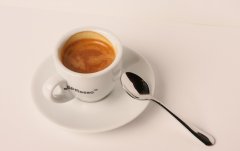
- 100cc and under (small): Made for strong, hot espresso-based drinks. A typical espresso shot is around 30–50cc and served in tiny demitasse cups. The small size concentrates aroma and preserves heat. Cappuccinos, usually around 150–180cc, have slightly larger bowls to showcase their milk foam.
- 200cc (medium): The standard size for most drip coffee, Americano, or pour-over. This volume gives room to add milk, sugar, or syrups without overwhelming the cup’s balance.
- 300cc and over (large): Reserved for milk-heavy drinks like lattes, flat whites, and French-style café au lait. The wide mouth and big body let you enjoy the creamy texture and layered flavors. In France, large bowls are used for café crème (grand crème), designed for slow, indulgent drinking over breakfast.
Cup shape also signals function. Tall, narrow cups preserve crema and aroma for espresso. Wide, shallow bowls enhance milk froth visibility in cappuccinos. Thick-rimmed, sturdy mugs help retain heat for slower sipping styles. Even the lip of the cup affects how coffee hits your palate—slightly tilted rims direct flow to the right part of your tongue for a smoother taste.
Ceramic vs. Porcelain vs. Bone China: Which Feels Right?
Different coffee drinkers prefer different materials. Some gravitate toward the earthy feel of pottery for bold, dark roasts, valuing its rustic texture. Most, however, choose porcelain or bone china for their refined balance. Porcelain offers a smooth, rounded mouthfeel that enhances the delicate aromas of light to medium roasts. Bone china, thanks to its blend of bone ash and fine clay, delivers the best of both worlds: it’s lighter than standard porcelain, more translucent, and superior at heat retention. It’s the gold standard for preserving the full sensory experience of specialty coffee.
Frequently Asked Questions
Does coffee cup size really affect taste?
Yes. Smaller cups like those for espresso (30–50cc) intensify aroma and maintain higher temperatures, enhancing flavor perception. Larger cups dilute intensity but allow for milk and sweetener customization in drinks like lattes or Americanos.
Why do some coffee cups keep coffee hotter longer?
Cups made from materials like bone china or thick ceramic retain heat better due to their density and thermal properties. Narrow cups also lose heat more slowly than wide, shallow ones.
What’s the best material for coffee cups?
Bone china is ideal for heat retention and aroma preservation. Porcelain is a good all-rounder, while stoneware or pottery suits those who prefer a rustic aesthetic. Avoid thin or low-quality ceramics that crack easily or cool coffee too fast.
Does the shape of a coffee cup change how coffee tastes?
Absolutely. Narrow cups direct aroma to your nose and preserve crema for espresso. Wide bowls show off milk foam and let you appreciate latte art. The lip shape also affects how coffee flows onto your tongue, altering taste perception.
Can I use any cup for espresso?
For the best experience, use a small (30–50cc), thick-walled demitasse cup designed for espresso. Its size concentrates heat and aroma, and the shape supports crema stability. Regular mugs are too large and cool the shot too quickly.
Best FrontStreet Coffee Beans for Cup Experiments
Try these FrontStreet beans to explore how cup shape and size affect flavor. The FrontStreet Yirgacheffe offers bright citrus and floral tones ideal for smaller cups that highlight aroma. The FrontStreet Ethiopia Huakui brings juicy blueberry and stone fruit—great for medium-bodied 200cc cups. For milk drinks, the FrontStreet Classic Blend provides chocolatey richness that shines in 300cc+ mugs. Freshly roasted within 5 days · Orders placed before 17:00 ship the same day · Next-day delivery across most of Guangdong Province.
FrontStreet Coffee is a long-established specialty coffee roaster in Guangzhou China, selling freshly roasted beans from its own farm in Yunnan as well as dozens of carefully selected single-origin beans from around the world for both pour-over and espresso. The products deliver consistently excellent quality and great value, with shipping within 24 hours. Guangzhou's FrontStreet Coffee shop is recommended by many coffee lovers, and the beans are now available online at the Tmall 。
Important Notice :
前街咖啡 FrontStreet Coffee has moved to new addredd:
FrontStreet Coffee Address: 315,Donghua East Road,GuangZhou
Tel:020 38364473