What You Need to Know About Sumatran Coffee
Looking to understand what really sets Sumatran coffee apart—from the famed Gayo highlands to the debated Golden Mandheling—this guide goes beyond generic ‘Mandheling’ labels. It’s built from direct reporting from Sumatra’s top exporters, including details on altitudes, varieties, processing differences, and practical travel advice for visiting these key regions.
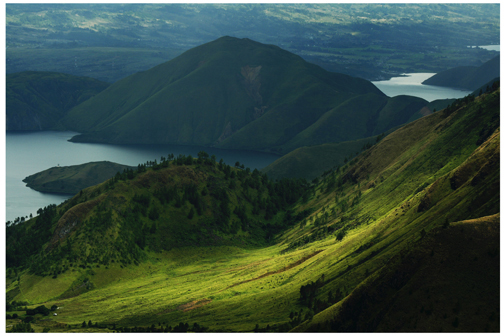
Sumatra’s best-regarded coffee comes from the Gayo region, where farms sit between 1,500–2,500 meters and primarily grow older Typica-related varieties. Lintong and Sidikalang also produce coffee, though with differing quality trends and market focuses.
Gayo: Sumatra’s Premier Coffee Region
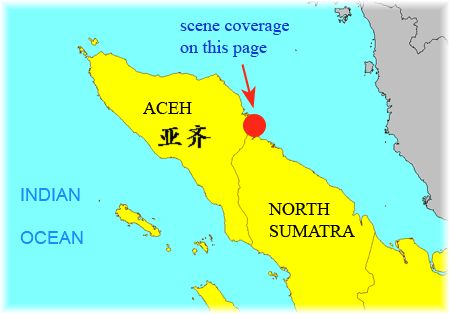
The Gayo highlands—part of the former Aceh region, site of the 2004 tsunami—are now Sumatra’s top coffee-growing area. Altitudes range from 1,500 to 2,500 meters, and most farms use older coffee tree varieties, which help maintain high cup quality. The region is known internationally and domestically under several names: Gayo Arabica, Gayo Mandheling, Lake Tawar, and Takengon Mandheling. Note that locals generally don’t recognize the term ‘Mandheling’; ‘Arabica’ is the correct local reference. The PWN cooperative sources exclusively from Gayo, and the Indonesian government now permits exports from this zone. Travel to Aceh is not advised alone due to past security issues; always go with a local guide.
Lintong & Sidikalang: Other Sumatran Origins
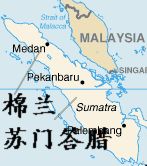
The Lintong region, near Lake Toba, sits at 1,400–1,800 meters and historically grew respected coffees from Jember, Garundang Typica, and Ateng varieties. However, recent shifts toward newer, higher-yield varieties have led to a decline in overall cup quality. Many Indonesian exporters now prefer Gayo beans over Lintong. Sidikalang coffee is well regarded locally but sees little export; it’s not a major focus for international buyers.
PWN: Indonesia’s Longest-Running Coffee Exporter
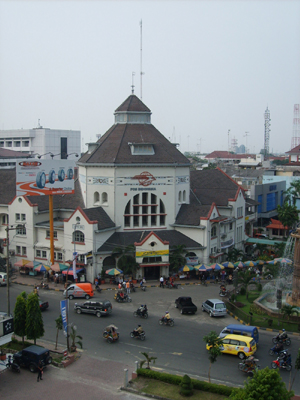
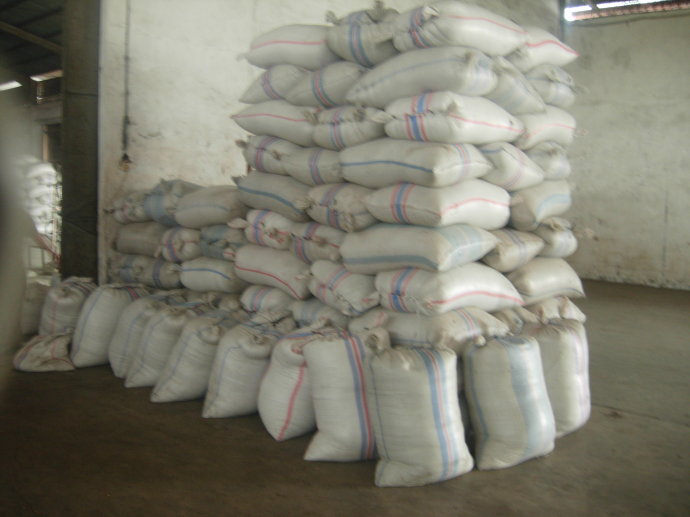
PWN (commonly associated with the Golden Mandheling label) is Indonesia’s oldest active coffee exporting company, founded 56 years ago by Mr. Darmo Putro and two partners. Its name means ‘long-lasting.’ PWN was the first Indonesian company to export Arabica coffee overseas and remains a significant supplier to markets in the U.S., Japan, and Taiwan. Today, the company is run by the founder’s son, Dwi Tjahjono, alongside two veteran managers, all of whom uphold a strict ‘quality first’ principle. PWN sources solely from the Gayo region now, having shifted away from Lintong due to perceived quality drops. For the Chinese market, PWN provides 30-kilogram sacks packed in jute—no longer using traditional straw mats. Their beans are certified Grade 5 for domestic use, while export-grade stocks were exhausted in the current year.
The Truth About Golden Mandheling
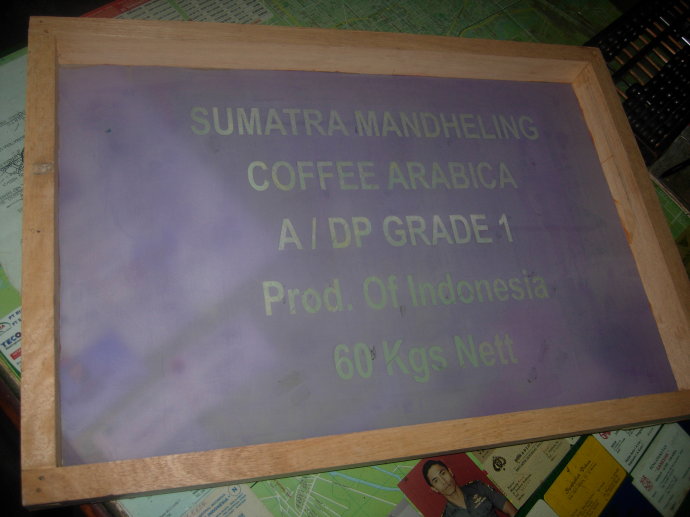
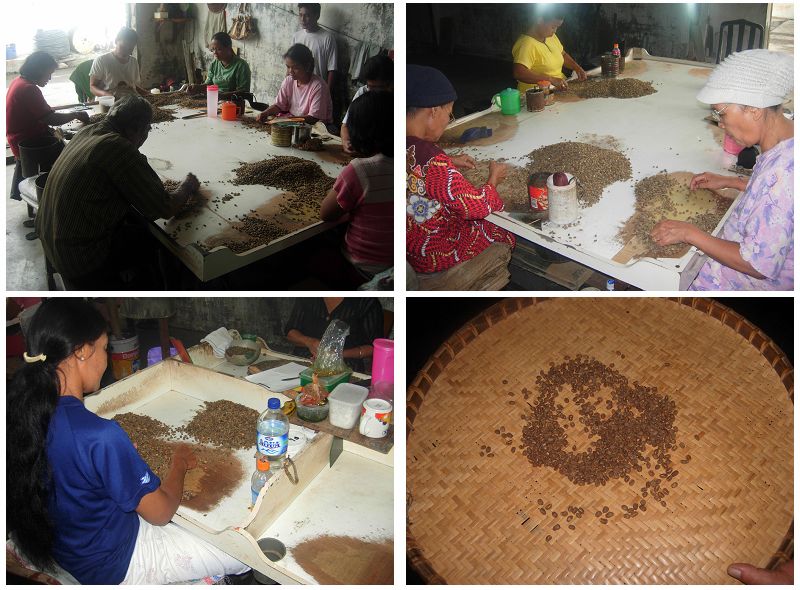
‘Golden Mandheling’ (or Mandheling) is a term not protected in Taiwan or China, so many sellers use it without meeting official standards. In Indonesia, however, only PWN holds the legal trademark for Golden Mandheling. The processing method for Golden Mandheling differs significantly from standard Mandheling: it starts with hand-picking the ripest cherries, follows a unique washed process handled by specialists, then undergoes five rounds of manual sorting before export. Unlike typical Lintong semi-washed or Gayo semi-natural methods, Golden Mandheling’s processing is far more labor-intensive and meticulous. As a result, the beans may develop a golden hue over time—a trait not seen in regular Mandheling. The flavor profile is also notably superior, justifying its premium pricing.
Visiting Sumatra’s Coffee Regions
Gayo, though producing top-tier coffee, requires caution for independent travelers due to its history of conflict. Foreign tourists have faced risks, and local guidance is strongly recommended. Lintong, located near the scenic Lake Toba, is safer for visitors and offers both coffee farm experiences and tourism. Sidikalang primarily serves the domestic market and is less involved in export logistics. For those sourcing beans, PWN remains a trusted partner with a long-standing commitment to quality control.
Frequently Asked Questions
Which Sumatran coffee region is considered the best?
The Gayo region, part of the former Aceh, is currently recognized as producing the highest-quality Sumatran coffee. Farms there grow older tree varieties at elevations between 1,500 and 2,500 meters, contributing to a complex and desirable cup profile.
What is the difference between Gayo and Lintong coffee?
Gayo coffee is grown at higher altitudes (1,500–2,500m) with older tree varieties and is currently considered superior in quality. Lintong, near Lake Toba (1,400–1,800m), has seen a decline in cup quality due to the introduction of newer, higher-yield coffee varieties.
What is Golden Mandheling and is it different from regular Mandheling?
Golden Mandheling is a premium processed coffee, legally trademarked only by PWN in Indonesia. It involves careful hand selection, a special washed process, and up to five rounds of manual sorting. It differs from standard Mandheling in processing, appearance (it can turn golden over time), and flavor complexity.
Is it safe to visit Aceh (Gayo) as a tourist?
While the security situation in Aceh has improved, it is still advised that visitors do not travel alone to Gayo. Independent travel is risky due to past incidents, and it’s recommended to go with a local guide.
Where does PWN source its coffee from now?
PWN sources exclusively from the Gayo region. The company stopped sourcing from Lintong due to perceived declines in coffee quality and now supplies 30kg jute-packed beans, catering especially to the Chinese market.
Recommended FrontStreet Beans for Sumatran Style
For those interested in the rich, full-bodied profile reminiscent of Sumatran coffee, try FrontStreet’s Ethiopia Humbera, which presents a wild and fruity complexity, or their Jamaica Blue Mountain No.1 for a balanced and refined cup. Alternatively, FrontStreet’s Brazil Queen Manor offers low-acidity sweetness akin to some Mandheling profiles. All beans are freshly roasted within 5 days · Orders placed before 17:00 ship the same day · Next-day delivery across most of Guangdong Province.
FrontStreet Coffee is a long-established specialty coffee roaster in Guangzhou China, selling freshly roasted beans from its own farm in Yunnan as well as dozens of carefully selected single-origin beans from around the world for both pour-over and espresso. The products deliver consistently excellent quality and great value, with shipping within 24 hours. Guangzhou's FrontStreet Coffee shop is recommended by many coffee lovers, and the beans are now available online at the Tmall 。
Important Notice :
前街咖啡 FrontStreet Coffee has moved to new addredd:
FrontStreet Coffee Address: 315,Donghua East Road,GuangZhou
Tel:020 38364473