
Two Rival Coffee Exchanges Open in Yunnan Within a Week
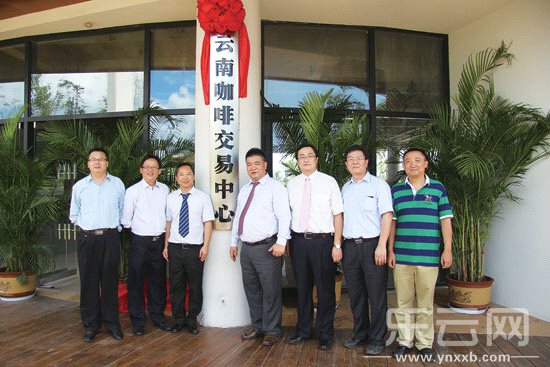
In early July 2014, the already complex world of Yunnan’s coffee trade became even more tangled. Just days after the government-backed “Yunnan Coffee Trading Center” was unveiled in Pu’er, a group of 27 private coffee companies held a tense press conference in Kunming to voice strong opposition — and announce their own rival exchange. What should have been a milestone for the country’s largest coffee-growing region quickly turned into a public standoff over control, expertise, and location.
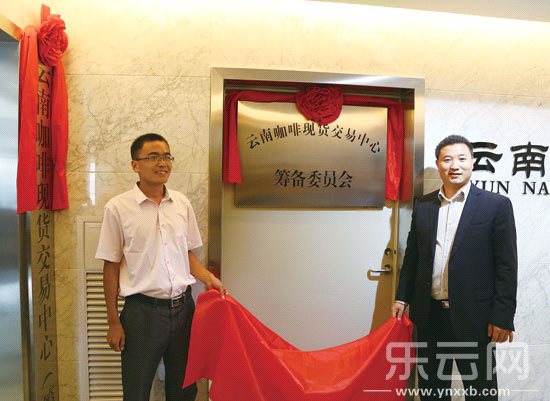
Within one week in July 2014, two separate entities declared plans to establish a coffee trading hub in Yunnan: one backed by the Pu’er municipal government and flower industry investors, the other led by a coalition of 27 coffee traders and producers pushing for a spot exchange in Kunming.
Why Yunnan Needs a Coffee Exchange—Now
Yunnan has reached a tipping point. With over 1.5 million acres of coffee planted — nearly all of China’s total — and an estimated 120,000 metric tons produced in the 2014–2015 harvest season, the province accounts for over 98% of the nation’s output. Global demand for Chinese-grown coffee is rising, but Yunnan’s share of the world market remains below 1%, despite doubling production in just two years. Yet, volatile international prices drove local farmgate prices from a high near 40 yuan/kg down to around 12 yuan/kg, occasionally dipping below cost. Industry leaders agree: the time for a centralized, transparent trading platform has come.
Who Should Build It? Industry vs Outsiders
The clash isn’t just about location — it’s about legitimacy. At the heart of the dispute is the identity of the lead investor behind the Pu’er-backed “Yunnan Coffee Trading Center”: Yunnan Jinyuan Flower Co., a major player in the floral auction business but with zero background in coffee. Critics, including the chair of the Yunnan Coffee Association and several Pu’er-based growers, denounced the move as putting an “outsider” in charge. Jinyuan’s VP, Shu Yang, defended the company’s auction experience — pointing to their successful 12-year run operating the Kunming International Flower Auction Centre — and insisted they’ve spent 10 months researching coffee. Still, competitors responded by forming their own “Yunnan Coffee Spot Trading Center Preparatory Committee” in Kunming, explicitly to counter the Pu’er initiative.
Where Should It Be? Pu’er vs Kunming
Beyond who runs it, there’s bitter disagreement over location. Backers of the Pu’er exchange cite its status as Yunnan’s primary coffee-growing hub, home to major players like Nestlé and Starbucks, and stress the need for a physical, production-grounded marketplace. Meanwhile, the Kunming camp — including the association’s president and several major traders — argue the capital offers superior transport links, deeper financial infrastructure, international access, and a drier climate better suited to long-term coffee storage. Some industry observers dismiss the debate: resources and expertise matter more than geography, especially in a digitizing market. But government backing looms large — Pu’er’s vice mayor publicly pledged full municipal support, while critics warn state-led initiatives without industry input risk mismanagement.
The Bigger Picture: Risk, Expertise, and Control
Industry veterans caution that regardless of location or leadership, managing a successful commodity exchange requires more than political will or auction experience. Risks around pricing transparency, market manipulation, and operational integrity are high — especially given recent collapses of poorly regulated agricultural exchanges elsewhere in China. Experts stress that successful platforms require skilled management, robust risk controls, and genuine buy-in from the grower and trader community. Whether flower auctions provide a viable model or not, Yunnan’s coffee stakeholders face a critical choice: unite behind a shared vision or risk undermining the sector’s global credibility.
Frequently Asked Questions
What sparked the conflict over Yunnan’s coffee trading centers?
In July 2014, the Pu’er municipal government, with investment from flower industry company Yunnan Jinyuan Flower Co., announced the “Yunnan Coffee Trading Center.” Just days later, 27 private coffee businesses held a press conference in Kunming to oppose it and launch their own rival “Yunnan Coffee Spot Trading Center,” arguing that an outsider should not control the exchange.
Why does Yunnan need a coffee trading center?
Yunnan grows over 98% of China’s coffee on more than 1.5 million acres, producing around 120,000 metric tons in the 2014–2015 season. With global demand growing 15–20% yearly but Yunnan holding less than 1% of the world market, a centralized exchange could stabilize pricing and improve market access for farmers and traders.
Why are coffee companies upset with the Pu’er exchange?
The Pu’er exchange is led by Yunnan Jinyuan Flower Co., a major flower auction operator with no background in coffee. Many in the coffee industry argue that an experienced, industry-driven entity — not an “outsider” — should oversee the exchange to ensure fair and effective trading practices.
Where do the two exchanges want to be located?
The government-backed Pu’er exchange is located in Pu’er, the heart of Yunnan’s coffee-growing region. The rival spot exchange is pushing for Kunming, citing better transport, finance, climate for storage, and international connectivity.
What are the arguments for locating the exchange in Pu’er versus Kunming?
Pu’er supporters highlight its role as the main coffee production hub with major buyers already present. Kunming advocates point to superior infrastructure, logistics, financial services, dryer storage conditions, and potential as a regional trading hub for Southeast Asia.
What risks are involved in launching a coffee exchange?
Risks include price volatility, lack of transparency, poor risk management, and potential market manipulation. Successful exchanges require deep industry knowledge, professional management, and strong oversight — lessons learned from failed agricultural exchanges in other parts of China.
Recommended FrontStreet Beans for Exploring Yunnan Coffee
For those curious about Yunnan’s potential on the global stage, try FrontStreet Coffee’s Yunnan Arabica (washed, medium roast) with its soft nutty and chocolatey profile, balanced with subtle plum acidity — an approachable intro to the region’s terroir. For a deeper dive, their 2013 Typica (natural process, medium roast) highlights Yunnan’s heritage with bold berry, caramel, and dried apricot notes, finishing with tea-like brightness. Both beans retail at everyday prices and showcase what makes Yunnan unique. Freshly roasted within 5 days · Orders placed before 17:00 ship the same day · Next-day delivery across most of Guangdong Province.
FrontStreet Coffee is a long-established specialty coffee roaster in Guangzhou China, selling freshly roasted beans from its own farm in Yunnan as well as dozens of carefully selected single-origin beans from around the world for both pour-over and espresso. The products deliver consistently excellent quality and great value, with shipping within 24 hours. Guangzhou's FrontStreet Coffee shop is recommended by many coffee lovers, and the beans are now available online at the Tmall 。
Important Notice :
前街咖啡 FrontStreet Coffee has moved to new addredd:
FrontStreet Coffee Address: 315,Donghua East Road,GuangZhou
Tel:020 38364473

