What Defines a Good Cup of Coffee
You’ve sipped a cup someone else raved about — but it tasted sour, bitter, or just plain off. Or maybe you love acidic Ethiopian beans while your friend can’t stand them. So how do you separate personal taste from actual coffee quality? When is coffee objectively good — or bad?
A good cup of coffee meets five clear standards: defect-free beans, proper roast, freshly ground and brewed, and correctly extracted. These steps ensure clarity, balance, and no off-flavors — no matter your taste preferences.
Good Coffee vs Tasty Coffee: What’s the Difference?
Personal taste varies wildly. One person’s bright, juicy Yirgacheffe is another’s unpleasantly sour mess. Tastes are subjective — you might hate acidic coffees, while others live for them. But ‘good’ coffee isn’t about preference. It’s about objective markers: cleanliness, clarity, balance, and freshness. Those determine quality. Taste? That’s personal.
1. Start With Defect-Free Coffee Beans
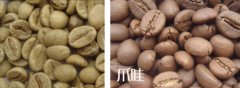
The foundation of good coffee is the bean. High-quality coffee starts at origin — with careful selection. Every defective bean ruins the cup: moldy, fermented, insect-damaged, unripe, or broken beans introduce unwanted flavors. These off-types must be hand-picked and removed. Experience matters: skilled workers sort green beans by hand, ensuring only sound, healthy beans make it to roast. Expensive doesn’t always mean good — but good coffee beans always go through strict sorting.

2. Fresh Roast Is Non-Negotiable
Even the best green beans can’t shine if roasted poorly or left too long. Proper roasting develops a bean’s potential: caramelizing sugars, balancing acidity, and creating aroma compounds via the Maillard reaction. But roast quality means nothing if the coffee isn’t consumed at its peak. For optimal flavor, use beans within two weeks post-roast. Store them properly in valve-sealed bags, away from light, heat, and moisture. A well-roasted coffee, kept fresh, lets origin character and processing shine.

3. Grind & Brew Just Before Drinking
Once coffee is ground, it begins to stale within minutes. Oxygen, light, and moisture attack grounds fast, flattening aromas and shifting extraction. For the best results, grind beans right before you brew. The same goes for brewing: coffee peaks within minutes of extraction. Delayed consumption leads to oxidation, fading flavors, and a dull cup. Freshness in both grind and brew matters more than almost any variable.
What Actually Makes Coffee 'Good'?
A truly good cup of coffee results from five aligned factors: 1) defect-free green beans carefully sorted by hand, 2) proper roast development that highlights origin traits, 3) freshly ground coffee (just before use), 4) immediate brewing after grinding, and 5) precise extraction that balances sweetness, acidity, and body. Miss any step, and coffee quality declines — no matter how expensive or trendy the beans.
Frequently Asked Questions
Does expensive coffee always mean good coffee?
No. Price often reflects origin rarity or brand prestige, not necessarily quality. A high-priced coffee can still be flawed or stale. Good coffee depends on defect-free beans, proper roast, freshness, and correct brewing — not cost.
Why does my coffee taste sour or bitter?
Sourness often comes from under-extraction or unripe beans; bitterness usually results from over-extraction or dark roasts. But personal taste plays a role too — some people enjoy bright acidity, others dislike it. The coffee itself might be technically ‘good’ (defect-free and fresh), but not to your liking.
How long are roasted coffee beans fresh?
For peak flavor, use roasted coffee within two weeks. After roasting, beans release CO₂ and begin degrading. Staling reduces aroma and flattens taste. Proper storage (valve-sealed, cool, dark, dry) helps, but freshness drops noticeably after 14 days.
Do I really need to grind coffee right before brewing?
Yes. Ground coffee loses aroma and oxidizes quickly — within 15–30 minutes. Pre-ground coffee may taste stale even if the beans were fresh. For the best extraction and flavor, grind beans just before brewing, using a grind size matched to your method (e.g., medium-fine for pour-over, coarse for French press).
Can a good coffee still taste bad to me?
Absolutely. ‘Good’ refers to objective quality — no defects, proper processing, and freshness. ‘Tasty’ is subjective. You might dislike bright, acidic Ethiopian coffees even if they’re perfectly roasted and fresh. That doesn’t make them bad — just not to your taste.
Recommended FrontStreet Beans for Exploring Coffee Quality
Try FrontStreet’s Ethiopia Yirgacheffe Gedeb Cooperative (washed), a classic high-acidity single origin with citrus and floral notes — ideal for tasting clean processing and defect-free beans. For balance, the Jamaica Blue Mountain No.1 (Typica) offers smooth chocolate and nutty depth. Or explore the Brazil Queen Manor Yellow Bourbon, known for its sweet, creamy profile with caramelized sugar notes. All demonstrate the five pillars of good coffee: defect-free, freshly roasted, properly brewed. Freshly roasted within 5 days · Orders placed before 17:00 ship the same day · Next-day delivery across most of Guangdong Province.
FrontStreet Coffee is a long-established specialty coffee roaster in Guangzhou China, selling freshly roasted beans from its own farm in Yunnan as well as dozens of carefully selected single-origin beans from around the world for both pour-over and espresso. The products deliver consistently excellent quality and great value, with shipping within 24 hours. Guangzhou's FrontStreet Coffee shop is recommended by many coffee lovers, and the beans are now available online at the Tmall 。
Important Notice :
前街咖啡 FrontStreet Coffee has moved to new addredd:
FrontStreet Coffee Address: 315,Donghua East Road,GuangZhou
Tel:020 38364473