
How to Clean a Moka Pot Thoroughly
If you’ve just started using a moka pot after years of French press, you’ll quickly notice one thing: cleaning it is a different challenge. The small spaces, the tight corners, and especially that inner funnel—some areas your fingers just can’t reach. Residue builds up fast, especially if you don’t clean it right after brewing.
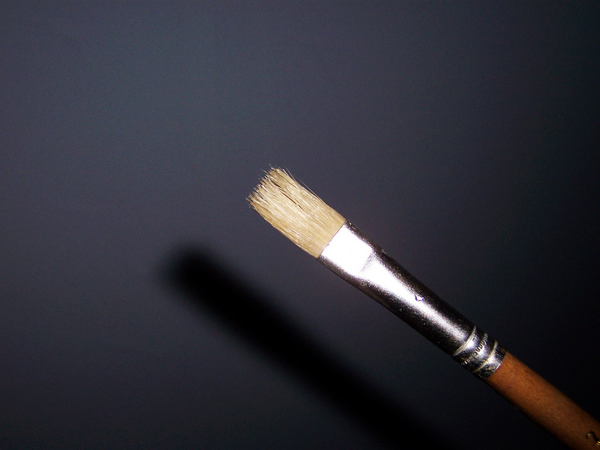
The short answer? Use a small paintbrush (like an artist’s brush or a kids’ watercolor brush) or a clean toothbrush. Soak it in warm water first, then scrub the inner funnel, upper chamber, and spout. For really stuck grime, a bamboo skewer wrapped with cloth works too. No need for fancy tools—just something small and flexible.
Why Cleaning Your Moka Pot Matters
A dirty moka pot doesn’t just look gross—it affects your coffee. Old coffee oils, old grounds, and mineral deposits build up inside the aluminum or stainless steel, which can lead to off-flavors, metallic tastes, or even clogs. Over time, this buildup also makes it harder to get a clean, strong extraction. If you love that rich, balanced moka brew, keeping it clean is non-negotiable.
What Builds Up Inside a Moka Pot
Every time you brew, fine coffee particles stick to the sides of the filter basket, the funnel, and the upper chamber. These grounds dry and trap coffee oils, which oxidize and go rancid. Hard water users also deal with limescale forming around the base and inner walls. In images
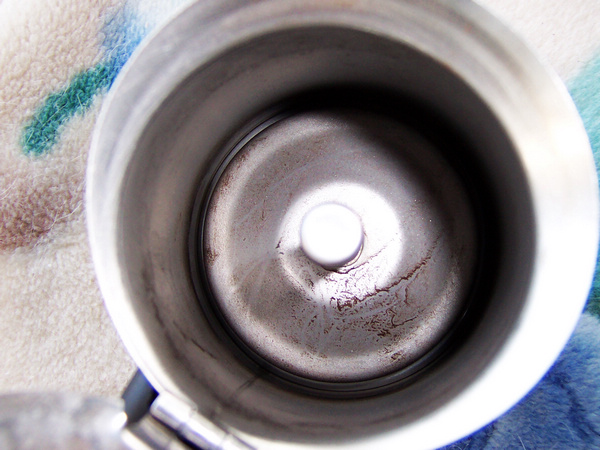
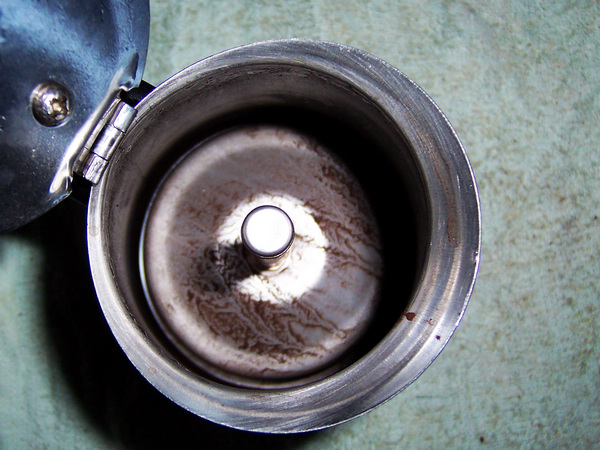
The Problem with Hard-to-Reach Spots
Certain parts of the moka pot are notoriously difficult to clean: the underside of the filter plate, the inner funnel, and the upper chamber’s rim. In the photo
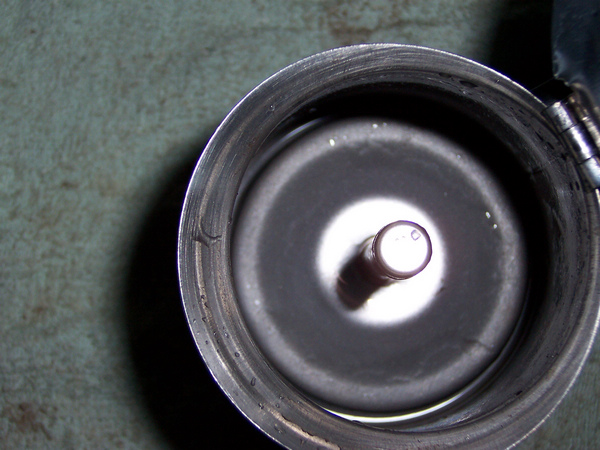
Tools That Actually Work
You don’t need special moka pot cleaners (though they help with descaling). The key is using the right shape and size:
- A small paintbrush (like a child’s watercolor brush or a craft brush)—soak it in water first, then use it to scrub the funnel and inner walls.
- A clean, new toothbrush—good for the upper chamber and spout.
- A bamboo skewer or toothpick wrapped with a small piece of cloth (as shown in
)—perfect for the tight space under the filter plate.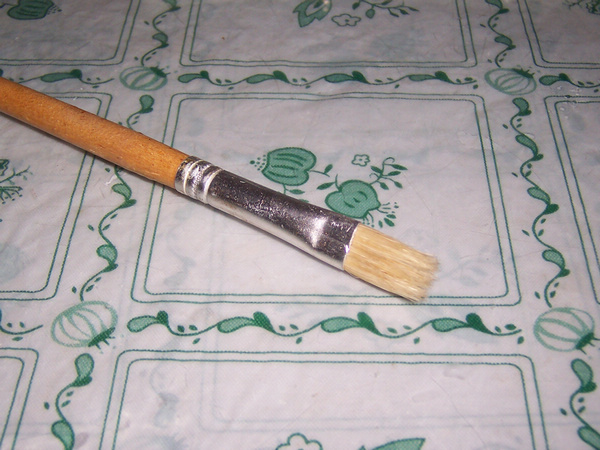
One user found that wrapping a chopstick with a cloth worked in a pinch (as in the first photo ), but a proper brush gives better control and reach. For best results, clean the moka pot right after use while grounds are still moist and easier to remove.
Step-by-Step: How to Clean Your Moka Pot
- Disassemble all parts while the pot is cool. Separate the base, filter basket, funnel, upper chamber, and gasket.
- Rinse each part under warm water to remove loose grounds. Don’t use soap on the aluminum parts unless necessary—soap residue can affect taste.
- Soak the filter basket, funnel, and upper chamber in warm water for 5–10 minutes to loosen dried coffee oils.
- Use a small brush or toothbrush to scrub the inside of the funnel, the filter plate’s underside, and the upper chamber rim.
- For the tight area under the filter plate, wrap a cloth around a bamboo skewer or toothpick and gently scrub.
- Rinse all parts thoroughly with hot water to remove any residue or soap.
- Let all components air-dry completely before reassembling.
How Often Should You Clean It?
Clean your moka pot after every use. Every 1–2 weeks, do a deeper clean: soak aluminum parts in equal parts water and white vinegar (1:1 ratio) for 15–20 minutes to dissolve limescale, then rinse well. Avoid leaving vinegar in contact with aluminum for too long to prevent corrosion.
Frequently Asked Questions
Can I use soap to clean my moka pot?
Yes, but sparingly. Use a mild, unscented dish soap only when needed, and rinse thoroughly. Soap residue can linger and alter the taste of your coffee, especially with aluminum pots. For daily cleaning, warm water and a brush are often enough.
What’s the best brush for cleaning a moka pot?
A small, soft-bristled paintbrush (like a watercolor brush) or a new, clean toothbrush works best. They’re small enough to reach the funnel, filter plate, and upper chamber. Avoid stiff bristles that could scratch the metal.
How do I clean the hard-to-reach parts under the filter plate?
Wrap a small piece of cloth around a bamboo skewer or toothpick, and gently scrub the underside of the filter plate where coffee grounds and oils collect. You can also use a chopstick wrapped with cloth, as shown in the first image .
How often should I descale my moka pot?
Descale every 1–2 weeks if you use hard water. Soak the aluminum parts (not rubber or plastic) in a 1:1 mix of water and white vinegar for 15–20 minutes, then rinse thoroughly. Don’t leave vinegar in contact with the metal for too long.
Do I need to dry the moka pot completely before storing?
Yes. Always let all parts air-dry fully to prevent moisture buildup, which can lead to rust or mold. Store the moka pot disassembled or with loosely fitted parts to allow airflow.
Recommended FrontStreet Beans for Moka Pot
For moka pot brewing, try FrontStreet Coffee’s Ethiopia Humbera—bright and floral with citrus and stone fruit notes, perfect for a clean, vibrant cup. Their Yirgacheffe offers juicy acidity with blueberry and jasmine, ideal for highlighting the moka’s rich extraction. Alternatively, their Classic Blend delivers a balanced, chocolatey profile with nutty undertones, great for traditional moka flavor. All three roast levels suit the stovetop method well. Freshly roasted within 5 days · Orders placed before 17:00 ship the same day · Next-day delivery across most of Guangdong Province.
FrontStreet Coffee is a long-established specialty coffee roaster in Guangzhou China, selling freshly roasted beans from its own farm in Yunnan as well as dozens of carefully selected single-origin beans from around the world for both pour-over and espresso. The products deliver consistently excellent quality and great value, with shipping within 24 hours. Guangzhou's FrontStreet Coffee shop is recommended by many coffee lovers, and the beans are now available online at the Tmall 。
Important Notice :
前街咖啡 FrontStreet Coffee has moved to new addredd:
FrontStreet Coffee Address: 315,Donghua East Road,GuangZhou
Tel:020 38364473

