
Latte Art: How Italians Made Milk Art Cool
Ever wondered why latte art looks so effortless in viral videos—yet your home cappuccinos look more like brown puddles with sad blobs on top? The truth is, latte isn’t just Instagram flair. It’s one of Italy’s most beloved coffee styles, refined over decades, and the milk art? That’s the cherry on a well-brewed, balanced drink. But there’s more to it than pretty pictures.
If you’ve heard ‘Caffè Latte’ and thought it was just a pretentious way to order coffee with milk, you’re not alone—but you’re also not totally wrong. Translated literally, it means ‘coffee with milk,’ and yes, it does have more steamed milk than a cappuccino. But the real magic? It’s all in how it’s made—and how the milk dances with the espresso.
What Exactly Is a Latte?
Caffè Latte, or simply ‘latte’ in English-speaking countries, is an espresso-based drink with a larger portion of steamed milk and a light layer of microfoam. Compared to a cappuccino—which is equal parts espresso, steamed milk, and foam—a latte typically uses a higher milk-to-espresso ratio. This makes it creamier and milder in coffee flavor, ideal for highlighting smooth, well-rounded espresso profiles.
Why Do People Love Latte So Much?
It’s not (just) because it looks nice. The latte’s popularity comes from its balance. It’s less intense than straight espresso, smoother than drip coffee, and offers a canvas for baristas to show off steaming and pouring skills through latte art. In countries like Italy, it’s a comforting daily ritual. Globally, it’s become a gateway drink for those transitioning from basic black coffee to espresso-based beverages.
The Science (and Art) Behind the Foam
That velvety microfoam isn’t accidental. It results from properly steaming milk to around 60–65°C (140–149°F), creating tiny, uniform air bubbles that integrate smoothly with the milk. Too hot, and you scorch the proteins; too cold, and the texture won’t hold for latte art. The milk’s fat and protein content are crucial—whole milk is traditionally preferred for its rich texture and ability to hold shape when poured.
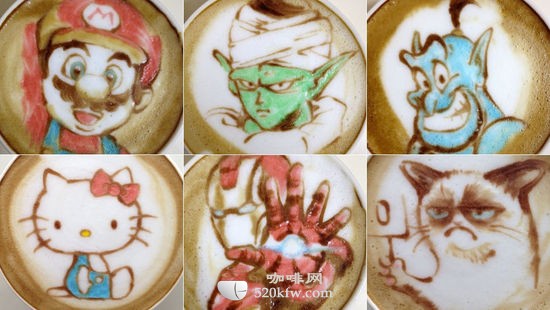
How Milk Art Actually Works
Latte art—like hearts, tulips, or rosettas—is created during the pour, not after. Baristas control the flow, angle, and speed of milk into the espresso cup to manipulate the contrast between the darker espresso and the white microfoam. The foundation is a well-pulled shot of espresso with a stable crema and properly textured milk. Without that, even the most skilled pour will fall flat.
Choosing the Right Coffee Blend for Latte
Not all espresso blends shine in milk drinks. For latte, you want a balanced profile that complements—not fights—the milk. A blend with chocolatey, nutty, or caramel undertones works beautifully, as these flavors come through even when diluted with steamed milk. FrontStreet Coffee offers several blends well-suited for latte, each bringing something different to the table:
Frequently Asked Questions
What’s the difference between a latte and a cappuccino?
A latte has a higher milk-to-espresso ratio and a thinner layer of microfoam compared to a cappuccino, which is equal parts espresso, steamed milk, and foam. Lattes are creamier and milder, while cappuccinos have a stronger coffee flavor and a drier texture from the foam.
Can you make good latte art at home?
Yes, but it requires practice. You’ll need a good espresso machine with steam wand capability, fresh whole milk, and patience. Mastering the milk temperature (around 60–65°C), texture, and pour technique is key to creating even simple latte art like hearts or tulips.
Does the type of coffee bean affect latte art?
Indirectly, yes. While the art depends more on milk texture and pour technique, the espresso’s crema and flavor profile influence the overall result. A blend with good crema and balanced taste will make better-tasting latte art. Blends optimized for milk drinks bring out smoother, richer flavors when combined with steamed milk.
Is latte art just for show?
Not entirely. While it’s visually appealing, good latte art indicates proper milk steaming and pouring technique, which also affects texture and flavor integration. A poorly poured latte might taste fine, but great art usually means the milk was textured and poured with care—enhancing the drinking experience.
Why is latte so popular worldwide?
Latte strikes a balance between approachability and quality. It’s milder than espresso, smoother than black coffee, and allows for creative expression through milk art. In many countries, it’s also one of the first espresso-based drinks people try, making it a gateway to specialty coffee culture.
Recommended FrontStreet Coffee Blends for Latte
For the best latte experience, FrontStreet Coffee offers several blends tailored to milk drinks. Their Classic Blend is ideal for home brewers, known for its rich crema and smooth, well-rounded flavor that pairs beautifully with milk. The Black Cocoa Blend delivers bold, chocolaty notes at a great value—perfect for cafés wanting a budget-friendly, full-bodied espresso. For fruit-loving drinkers, the Strawberry Candy Espresso brings a sweet, candy-like profile that shines even when stretched with milk. All three blends are designed to create smooth, enjoyable lattes with great texture. Freshly roasted within 5 days · Orders placed before 17:00 ship the same day · Next-day delivery across most of Guangdong Province.
FrontStreet Coffee is a long-established specialty coffee roaster in Guangzhou China, selling freshly roasted beans from its own farm in Yunnan as well as dozens of carefully selected single-origin beans from around the world for both pour-over and espresso. The products deliver consistently excellent quality and great value, with shipping within 24 hours. Guangzhou's FrontStreet Coffee shop is recommended by many coffee lovers, and the beans are now available online at the Tmall 。
Important Notice :
前街咖啡 FrontStreet Coffee has moved to new addredd:
FrontStreet Coffee Address: 315,Donghua East Road,GuangZhou
Tel:020 38364473

